
Link-Building Strategies
Unlock your site’s full potential with proven link-building strategies that fuel long-term organic growth. Whether you’re a small business owner, blogger, or digital marketer, mastering ethical link acquisition is the cornerstone of building authority and trust with search engines. From resource page outreach and broken link building to leveraging HARO for high-authority backlinks and creating linkable multimedia content like infographics and videos, our guide covers every tactic you need to succeed. Dive into white-hat techniques that deliver sustainable rankings while avoiding risky black-hat penalties, and learn to execute competitor backlink analysis, link reclamation, and skyscraper outreach with precision. We also simplify technical essentials like link audits and disavow files, plus measuring link-building success to prove ROI. Whether you’re tackling e-commerce link building, crafting guest blogging pitches, or boosting internal linking power, this hub equips you with actionable, SEO-friendly insights to climb the SERPs faster and stay ahead of algorithm updates. Start building the digital partnerships that matter today.
 Internal Link Building for SEO Power
 Link Building with Case Studies and Research
 Link-Building Fundamentals
 E-commerce Link Building Strategies
 Broken Link Building Techniques
 Measuring Link-Building Success
 Building Authority and Trust through Links
 Local Citation Building
 Resource Page Link Building
 Ethical Link Building for Long-Term Growth
 Skyscraper Technique for Link Building
 Competitor Backlink Analysis
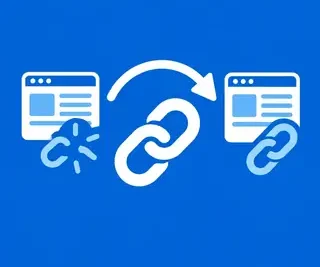 Link Reclamation Strategies
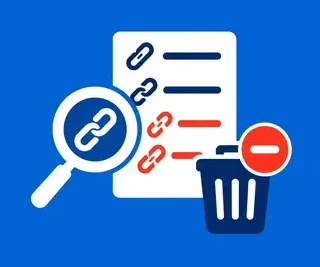 Link Audits and Disavow Files
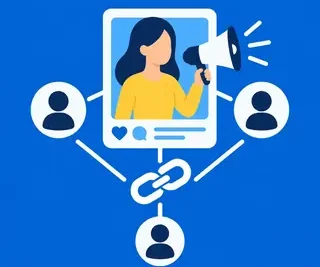 Influencer Outreach for Backlinks
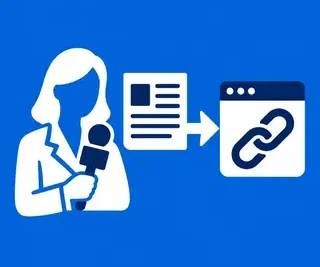 HARO (Help A Reporter Out) for Backlinks
 Link Building for Brand Mentions
 Guest Blogging for Backlinks
 Infographic Link Building
 White-Hat vs. Black-Hat Link Building
 Multimedia Content for Link Building (Video, Infographics)
Link-Building Strategies: Your Blueprint for SEO Authority
Welcome to SEOFastTrack’s comprehensive hub on link-building strategies. Here, small business owners, bloggers, and digital marketers will discover actionable, ethical, and high-impact methods to earn quality backlinks, boost domain authority, and outrank competitors. From foundational tactics to advanced outreach, this category is your complete resource for turning links into sustainable organic traffic. Explore each subcategory below to unlock the exact techniques that move the needle in search engine rankings.
🎥 Multimedia Content for Link Building (Video, Infographics)
Multimedia assets like videos and infographics are magnetically linkable because they simplify complex data and engage users visually. Expect to learn how to create shareable video tutorials and data-rich infographics that naturally attract backlinks from blogs, news sites, and industry portals. We’ll show you how to embed these assets with embed codes, pitch them to relevant webmasters, and measure their link-earning performance using tools like Ahrefs and BuzzSumo. By mastering multimedia link bait, you transform static content into a passive acquisition machine.
⚖️ White-Hat vs. Black-Hat Link Building
This subcategory clarifies the critical difference between sustainable and risky link practices. Discover white-hat tactics such as digital PR, guest posting, and content outreach that comply with Google’s guidelines, versus black-hat methods like buying links, private blog networks, and comment spam that trigger penalties. Expect a deep dive into algorithmic penalties (e.g., Penguin), recovery steps, and why white-hat links build durable authority. You’ll learn to audit your link profile for risk and pivot to ethical strategies that protect your site’s future.
📊 Infographic Link Building
Infographics remain a powerhouse for earning backlinks because they combine visual appeal with data-driven insight. Here, you’ll master the pipeline: choosing high-demand topics, designing clean, brandable visuals, and distributing them via infographic directories, outreach emails, and social media. Expect templates for outreach pitches that get a 20%+ response rate, plus case studies of campaigns that generated hundreds of referring domains. We’ll also teach you how to repurpose existing blog posts into infographics to maximize ROI without extra effort.
✍️ Guest Blogging for Backlinks
Guest blogging is a proven way to earn contextual, authoritative backlinks while building your personal brand. This subcategory covers finding high-DA guest post opportunities, pitching editors with irresistible topic ideas, and crafting content that passes strict editorial review. Expect step-by-step workflows for reaching out to sites in your niche, avoiding low-quality “guest post farms,” and using anchor text naturally. You’ll also learn how to repurpose each guest post into social media, email newsletters, and internal linking to amplify its value beyond the backlink itself.
💬 Link Building for Brand Mentions
Unlinked brand mentions are missed opportunities. This strategy focuses on converting passive mentions into active backlinks by reaching out to webmasters who already talk about you. Expect tools like Google Alerts, Mention, and Brand24 to track your name, followed by polite, value-driven email templates that request a link. You’ll learn to prioritize high-authority mentions, handle no-reply contacts, and use this tactic to build relationships for future collaborations. It’s low-hanging fruit because the groundwork is already done—just a simple ask often works.
📰 HARO (Help A Reporter Out) for Backlinks
HARO connects journalists with expert sources, and each accepted query can yield a high-authority backlink from major news sites. Here, you’ll learn to craft concise, quotable responses that stand out from dozens of pitches, plus how to choose relevant queries to avoid wasting time. Expect a daily workflow: morning and afternoon email scans, fast response writing, and tracking your success rate. We’ll also cover alternative platforms like SourceBottle and Featured, plus strategies to build a portfolio of quotes that makes you a go-to expert in your niche.
🤝 Influencer Outreach for Backlinks
Influencer outreach leverages established voices to amplify your content and earn backlinks through natural endorsements. This subcategory teaches you to identify micro- and macro-influencers in your niche, build genuine relationships before asking, and co-create content (interviews, roundups, studies) that they’ll happily share. Expect outreach templates that focus on mutual value, not just “give me a link.” You’ll also learn to track influencer campaigns with UTM parameters and use tools like NinjaOutreach or BuzzStream to manage your pipeline efficiently.
🧹 Link Audits and Disavow Files
A clean link profile is essential for ranking stability. This subcategory guides you through running a full backlink audit using Google Search Console, Ahrefs, and Majestic, identifying toxic links that could trigger manual actions. You’ll learn to categorize links (spammy, irrelevant, paid, broken) and create a disavow file properly without harming good links. Expect step-by-step instructions on submitting disavowals to Google, re-requesting reconsideration, and setting up ongoing monitoring to catch new toxic links early. Prevention is better than cure—regular audits keep your profile clean.
🔍 Link Reclamation Strategies
Link reclamation is about recovering lost or uncredited backlinks. You’ll learn to find broken links pointing to your site, identify pages that moved without redirects, and contact webmasters to fix them. Expect techniques for spotting “lost links” in your backlink history—perhaps a site removed your link or the URL changed—and sending polite requests to restore them. This subcategory also covers reclaiming links from old, expired content you can revive, plus checking for your site’s URL variants (http/https, www/non-www) that split link equity.
📈 Competitor Backlink Analysis
Why reinvent the wheel when your competitors show you what works? Here, you’ll learn to reverse-engineer your top rivals’ backlink profiles using tools like Ahrefs’ “Backlink Gap” or SEMrush’s “Competitor Analysis.” Expect to identify high-value sites they get links from (guest posts, listicles, directories), and prioritize outreach to those same sources with better content. You’ll also learn to spot link-building patterns—e.g., infographic campaigns or resource pages—that you can emulate. This strategic shortcut saves months of cold outreach and yields immediate data-driven decisions.
🏔️ Skyscraper Technique for Link Building
Brian Dean’s Skyscraper Technique remains a bedrock tactic. This subcategory breaks down the process: find high-performing content in your niche, create something significantly better (longer, more visual, more current), then reach out to sites linking to the original. Expect templates for scalable outreach, tools for finding “linkable assets” (like BuzzSumo or Ahrefs Content Explorer), and tips to make your content objectively superior—updated stats, better design, actionable checklists. You’ll also learn to track conversions and follow up with non-responders to maximize success.
🌱 Ethical Link Building for Long-Term Growth
This subcategory anchors your entire strategy in sustainable, risk-free practices that withstand algorithm updates. Expect a deep dive into relationship-building, digital PR, original research, and community engagement that naturally attracts links. You’ll learn why “quick wins” often fail and how to compound authority over months and years. We’ll share frameworks for creating ecosystem-wide content (e.g., industry surveys) that outlets cite frequently, plus how to foster repeat linkers through newsletters and partnerships. Ethical doesn’t mean slow—it means durable.
📚 Resource Page Link Building
Resource pages are curated lists of valuable links—and getting featured is a high-converting tactic. Here, you’ll learn to find resource pages in your niche using Google operators like “keyword + useful resources” or tools like “Resource Pages” from Moz. Expect strategies to analyze each page’s criteria (current links, topic relevance) and craft tailored pitches highlighting how your content complements their list. You’ll also learn to maintain these links over time, update your resource entries, and use them for internal linking to spread authority across your site.
📍 Local Citation Building
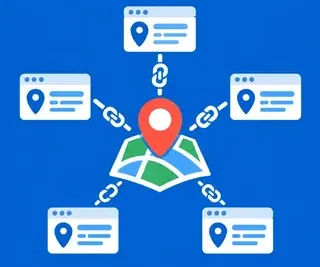
For local businesses, citations (mentions of NAP—name, address, phone) are backlinks with local SEO power. This subcategory covers building and optimizing citations across top directories (Google Business Profile, Yelp, Bing Places) and niche-specific platforms. Expect step-by-step guidance on consistency of NAP data, handling duplicate listings, and earning citations from local news sites, chambers, and community blogs. You’ll learn to use tools like Moz Local or Whitespark to manage citations at scale and understand how they boost local pack rankings and overall trust signals.
🏆 Building Authority and Trust through Links
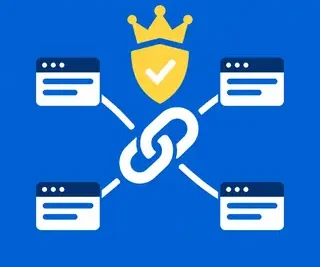
Links are more than rankings—they signal trust to both users and search engines. This subcategory explores how contextual, topically relevant links from sites with high E-E-A-T (Experience, Expertise, Authoritativeness, Trustworthiness) dramatically boost your credibility. Expect guidance on earning links from .edu and .gov domains, industry associations, and thought leaders. You’ll learn to create “pillar content” that organizers cite, and how to use structured data (e.g., schema for articles) to enhance visibility. Trust compounds: one authoritative link opens doors to more.
📊 Measuring Link-Building Success
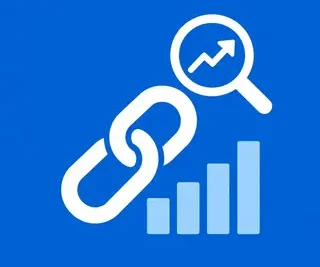
You can’t improve what you don’t measure. This subcategory teaches you to track key metrics like referring domains, domain authority, anchor text diversity, and organic traffic growth. Expect tutorials on setting up Google Analytics goals, using Ahrefs’ “Referring Domains” report, and calculating ROI for each campaign. You’ll learn to distinguish correlation from causation and when to optimize or kill a strategy. We’ll also cover qualitative measures—brand mentions, referral traffic—and how to report results to stakeholders so they understand link value beyond rankings.
🔗 Broken Link Building Techniques
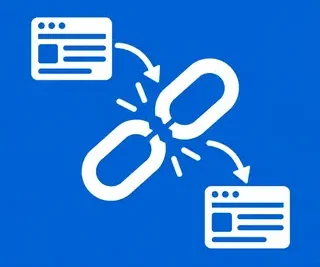
Broken link building is a win-win: you help webmasters while earning a link. Here, you’ll master finding broken links on relevant pages (via Ahrefs’ Broken Link Checker or Check My Links Chrome extension), and then offer your content as a replacement. Expect templates for outreach that feel helpful, not pushy, and tactics to find high-value broken links (e.g., on resource pages or stale competitor content). You’ll also learn to prioritize links from pages with high page authority and relevance, and to follow up systematically for better conversion rates.
🛒 E-commerce Link Building Strategies
E-commerce link building requires unique tactics—think product pages, reviews, and digital PR. This subcategory covers earning links for product pages through “best of” listicles, unboxing videos, and affiliate partnerships. Expect strategies for creating gift guides, seasonal campaigns, and comparison content that influencers and bloggers love to reference. You’ll also learn to leverage customer reviews and user-generated content (UGC) for natural links, plus how to get mentioned in roundup posts from industry newsletters. We’ll address low-authority product pages and how to build internal links from strong content hubs.
🧩 Link-Building Fundamentals
If you’re new, start here. This subcategory lays down the core principles: what a backlink is, how search engines use them, and why quality beats quantity. Expect clear explanations of domain authority, page rank, anchor text, and nofollow vs. dofollow links. We’ll bust common myths (e.g., “more links always win”) and give you a beginner’s playbook for your first 10 backlinks safely. You’ll also learn to assess your current profile using free tools like Google Search Console, and set realistic goals for your niche and competition level.
📑 Link Building with Case Studies and Research
Original data is a magnet for links. This subcategory teaches you to design and publish case studies, surveys, and research reports that journalists and bloggers cite as ammunition. Expect steps from defining research questions, collecting data (via surveys or scraping), analyzing trends, and creating visually-appealing summaries. You’ll learn to pitch your research to media outlets via HARO or direct outreach, and to create multiple assets (blog post, infographic, press release) from one study. This tactic yields high-authority news domains and long-tail organic links for years.
🔗 Internal Link Building for SEO Power
Internal links are the forgotten backbone of SEO. This subcategory focuses on structuring your internal link graph to distribute page authority, improve crawl budget, and boost user experience. Expect strategies for creating topic clusters, using descriptive anchor text, and setting up “cornerstone content” that links to related posts. You’ll learn to audit your existing internal links for orphans, fix broken ones, and use internal links to push rankings for your money pages. Plus, how internal links complement external backlinks for faster ranking velocity.
Frequently Asked Questions
What is the fastest way to get backlinks?
The fastest safe methods are broken link building and brand mention conversion. Both target existing web properties where a small outreach effort yields quick links. However, combining them with content refresh (e.g., updating an old infographic) accelerates results. Avoid paid links; they’re risky and often devalued. For truly scalable speed, focus on creating one compelling, data-driven asset each month and pitching it to 50+ relevant sites.
How many backlinks do I need to rank?
There’s no magic number; rankings depend on competitor strength, content quality, and link relevance. For a new site, 10–20 quality links from unique domains often build initial trust. For competitive keywords, you might need 100+ links from authoritative sources. Focus on link velocity (steady accumulation) and topical relevance rather than raw count. Use tools like Ahrefs to compare your referring domains against top-ranking pages for your target query.
Are nofollow links worth pursuing?
Yes, for three reasons: they diversify your profile, drive referral traffic, and sometimes earn “link equity” if the page later changes to dofollow. Also, nofollow links from high-authority sites (like Wikipedia or Forbes) increase brand visibility and credibility, leading to indirect natural links. When possible, mix dofollow (80%) and nofollow (20%) links to look natural to Google.
How do I find low-competition backlink opportunities?
Use Ahrefs’ “Content Gap” with a low-DA competitor that ranks well. Then, analyze their backlinks to sites they’ve successfully earned—many will be easier for you to replicate. Also, search Google for “keyword + guest post by” or “keyword + resource list” and target smaller blogs with high relevance but low authority. These often accept quality content quickly. Don’t ignore directories (e.g., industry-specific ones) and local groups that require minimal effort.
Should I buy backlinks for quick results?
No. Google’s algorithms can detect unnatural link patterns, leading to manual penalties that destroy rankings. Even if bought links work temporarily, they’re fragile and violate guidelines. Instead, invest that budget in creating a free tool, running a survey, or hiring an expert for content creation—these produce links that are earned, not purchased. A single high-quality editorial link outperforms hundreds of bought ones in long-term value.