Multimedia Content for Link Building (Video, Infographics)
Read more about this topic
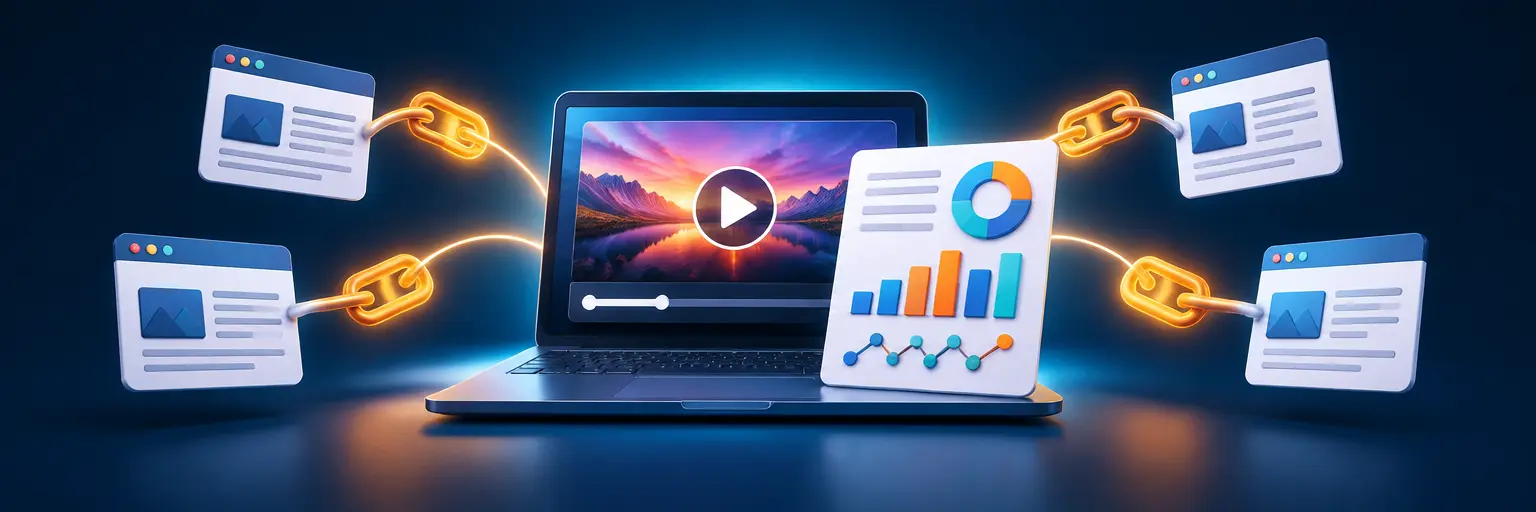
Unlock powerful backlinks with multimedia content like videos, infographics, and interactive visuals—assets that naturally attract shares, embeds, and high-authority mentions. In today’s visual-first web, static text alone rarely earns attention, but eye-catching infographics and engaging video tutorials are proven link magnets that boost your site’s authority and organic reach. By repurposing your best data, insights, or how-to guides into shareable, embeddable formats, you create value that other sites *want* to reference, driving quality referral traffic and long-term SEO wins. Whether it’s a crisp explainer video, a data-rich visual story, or a compelling animated GIF, this strategy turns your expertise into linkable assets that outperform traditional outreach. Perfect for small business owners and digital marketers aiming to diversify their backlink profile and outshine competitors in search results—without relying on risky tactics.
1 article
Articles in Multimedia Content for Link Building (Video, Infographics)
Unlock the Power of Visual and Interactive Content for SEO
In the competitive world of link building, text-only outreach often falls flat. Multimedia content—such as videos, infographics, and interactive tools—offers a magnetic way to earn high-authority backlinks naturally. For small business owners, bloggers, and digital marketers on SEOFastTrack, this subcategory dives deep into creating, promoting, and leveraging visual assets that other websites *want* to link to. From embedding tactics to viral shareability, you’ll learn how to transform static ideas into linkable assets that boost domain authority and referral traffic.
🎥 Video Content: Your Link-Building Powerhouse
Video is no longer optional—it’s the most engaging content format, and search engines love it. When you create explainer videos, product demos, or expert interviews, you give websites a reason to embed your content, which naturally earns backlinks. Focus on producing videos that answer specific questions, solve problems, or offer unique data. Then, reach out to industry blogs, YouTube roundups, and resource pages with a personalized pitch highlighting the video’s value.
For effective video link building, optimize your video titles, descriptions, and thumbnails with target keywords. Host videos on your own domain (using a lightweight player) to ensure the backlink points directly to your site, not just YouTube. Additionally, transcribe your videos into blog posts—this creates dual assets: one for video search, one for text-based SEO. Track performance via Google Search Console to see which videos attract the most referral traffic and adjust your strategy accordingly.
📊 Infographics: Visual Data That Earns Shares
Infographics remain a cornerstone of link building because they condense complex information into digestible, shareable visuals. The key is original data or a fresh perspective—not generic “top 10” lists. Conduct your own survey, analyze industry trends, or visualize public datasets in a compelling way. Once created, submit your infographic to high-authority directories like Visual.ly or Infographic Journal, and pitch it to relevant blogs with a short, value-driven email offering the embed code.
To maximize links, design for shareability: use bold colors, clear hierarchy, and a mobile-responsive layout. Include a simple embed code (with a link back to your site) directly below the infographic. Reach out to influencers who have covered similar topics, offering them a “first look” or exclusive data snippet. Remember, the lifespan of an infographic depends on your promotion—refresh it every 6–12 months with updated statistics to earn repeat links and shares.
🖼️ Interactive Tools & Visual Assets
Interactive content—like quizzes, calculators, or interactive maps—goes beyond static visuals. These assets are highly linkable because they offer utility and engagement. For example, a “Savings Calculator” for a finance blog or a “SEO Audit Checklist” as a downloadable PDF can attract backlinks from resource pages and educational sites. The interaction encourages users to stay longer, reducing bounce rates, while the asset’s uniqueness makes it a natural link magnet.
When creating interactive tools, ensure they are easy to embed (use iframes or JavaScript snippets) and provide clear branding with your URL. Pitch these tools to roundup posts, tutorial lists, and “best tools” articles. Additionally, create a dedicated landing page for each asset with a compelling headline, explanation, and embed code. Use analytics to track which tools generate the most backlinks and focus your future content creation on similar high-performing formats.
🔗 Multimedia Outreach Strategies That Convert
Creating great content is only half the battle—you need a strategic outreach plan to earn links. Start by identifying prospects through competitor backlink analysis (using tools like Ahrefs or SEMrush). Look for pages that link to similar infographics or videos but not to yours. Personalize your outreach: mention the specific page, why your asset is better, and how it adds value to their readers. Keep emails short, offer an exclusive quote or data point, and always provide a direct embed link.
Leverage the “Skyscraper Technique” for multimedia: find popular videos or infographics in your niche, create an improved version with more data or better design, then reach out to everyone who linked to the original. Also, use social media platforms like LinkedIn, X (Twitter), and Pinterest to amplify your visual content—these networks often drive initial shares that lead to organic backlinks. Track your outreach using a simple spreadsheet or CRM to follow up politely after 5–7 days.
📈 Measuring Success: Metrics That Matter
To know if your multimedia link building is working, focus on metrics beyond raw backlinks. Track domain authority of referring sites, referral traffic (via Google Analytics), and conversion rates from those visits. Use tools like Moz Link Explorer or Majestic to monitor anchor text diversity and link velocity. A healthy profile includes a mix of do-follow and no-follow links from varied sources, which signals authenticity to search engines.
Set realistic goals: e.g., 10 new backlinks per month from multimedia content. Use UTM parameters to tag your asset URLs, so you can see which channels (outreach, social, or embeds) drive the most traffic. Regularly audit your existing assets—update outdated stats, fix broken embed codes, and re-promote evergreen content. Finally, compare your multimedia performance against your text-based articles to identify what resonates best with your audience and adjust your content calendar accordingly.
Frequently Asked Questions
How long does it take to see results from video link building?
Typically, expect initial results within 4–6 weeks. After publishing your video and conducting outreach, search engines need time to crawl and index links. However, if your video is exceptionally timely or data-rich, you may see backlinks within days. Consistency is key—create a monthly video strategy and continuously pitch to new prospects.
Can infographics still work for link building in 2025?
Yes, but only if they offer unique data or interactive elements. Static, generic infographics have saturated the web. Focus on original research, real-time data visualizations, or industry-specific insights. Pair them with strong promotion and update them regularly to maintain relevance and attract repeat links.
What’s the best format for embedding multimedia content?
Use HTML5 video players or responsive iframes for videos and interactive tools. For infographics, provide a simple embed code with a “click to enlarge” function and a visible link back to your site. Always test embeds on mobile devices to ensure they display correctly—broken embeds kill potential links.
Should I focus on videos or infographics if I have limited time?
Start with infographics if you have strong design skills or can hire a freelancer—they are faster to produce and easier to embed on other sites. Videos require more production time but often yield higher engagement and social shares. If time is limited, repurpose a blog post into an infographic or a 2-minute summary video to maximize your ROI.
How do I avoid low-quality or spammy backlinks from multimedia assets?
Always vet your prospects using domain authority (DA 30+) and relevance. Avoid link directories or sites with excessive ads. When offering embed codes, include a “nofollow” option for users who prefer it, but encourage do-follow links. Monitor your backlink profile monthly and disavow any spammy links via Google Search Console to protect your SEO health.
Related topics