
On-Page SEO
Master the art of on-page SEO with our actionable, no-fluff strategies designed for small business owners, bloggers, and digital marketers. 🚀 From title tag optimization and header tag hierarchy to advanced schema markup and Core Web Vitals, we break down every element that boosts your rankings and user experience. Unlock the secrets of keyword placement, internal linking, and featured snippet optimization to dominate search results. Whether you’re refining product pages, crafting pillar pages, or adapting to mobile-first indexing, our curated guides cover it all—including voice search, image optimization, and accessibility. Stop guessing and start ranking higher with proven tactics that turn clicks into conversions. 🎯 Perfect for staying ahead of algorithm updates while building a sustainable, traffic-driving foundation. Dive in and transform your website’s visibility today!
 Meta Description Optimization
 Optimizing for Featured Snippets
 Content Optimization for SEO
 Keyword Placement in Content
 Mobile-First Indexing and On-Page SEO
 On-Page SEO Audits and Best Practices
 Title Tag Optimization
 On-Page SEO for Different Content Types (Blog, Product, Service)
 Schema Markup for On-Page SEO
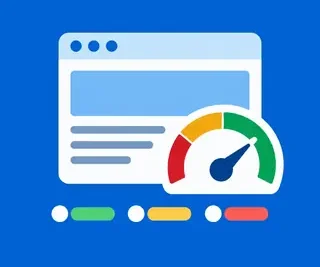 Optimizing for Core Web Vitals On-Page
 Image Optimization for SEO
 Voice Search Optimization
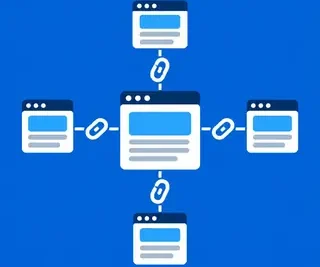 Internal Linking Strategies
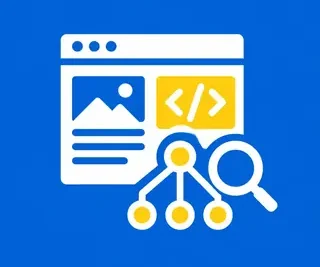 Advanced Schema Markup Implementations
 Accessibility and SEO
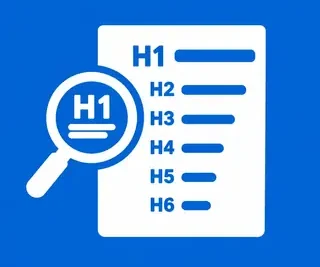 Header Tag Optimization (H1-H6)
 On-Page SEO Fundamentals
 Content Freshness and SEO
 On-Page SEO for Product Pages
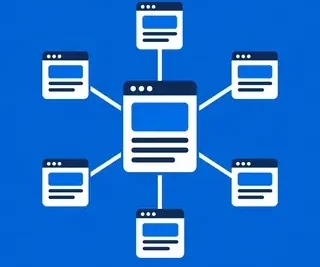 Content Structure for SEO (Pillar Pages & Topic Clusters)
 User Experience (UX) and SEO
Master On-Page SEO with SEOFastTrack
Welcome to our comprehensive On-Page SEO hub, designed for small business owners, bloggers, and digital marketers seeking higher rankings and more organic traffic. Here, you'll discover actionable tactics for optimizing every element on your website—from title tags to schema markup—ensuring search engines and users alike understand and love your content. Dive into our subcategories below to master the art of on-page optimization, boost your visibility, and outperform competitors in search results.
🚀 On-Page SEO Fundamentals
This is your starting point for building a solid SEO foundation. Expect clear explanations of core concepts like keyword relevance, content quality, and URL structure. Learn how to align your page’s content with user intent, avoid common pitfalls like keyword stuffing, and establish a checklist that every page on your site should follow. Perfect for beginners, this section simplifies complex ideas into digestible, actionable steps that yield immediate improvements in search rankings.
🔍 Keyword Placement in Content
Discover the art of strategically placing your target keywords without sounding robotic. We cover optimal positions—title, first 100 words, headers, and meta tags—while emphasizing natural language flow. You’ll learn how to integrate LSI (Latent Semantic Indexing) keywords and synonyms to boost topical authority. This section also explains the balance between optimization and readability, ensuring your content satisfies both Google’s algorithms and real human readers, leading to higher dwell time and lower bounce rates.
📝 Content Optimization for SEO
Here, we dive into making your existing and new content search-engine gold. Expect guidance on improving readability, adding internal links, and using multimedia to enhance engagement. We’ll show you how to conduct a content gap analysis, update old posts for freshness, and leverage tools like readability scores and word-count benchmarks. By the end, you’ll have a repeatable process for turning average articles into top-ranking resources that attract backlinks and social shares.
🏷️ Title Tag Optimization
Your title tag is your first impression in search results—make it count. This subcategory offers formulas for crafting compelling, keyword-rich titles that boost click-through rates (CTR). We discuss optimal length (50-60 characters), power words, and how to include your primary keyword early. You’ll also learn about brand inclusion, avoiding duplicate titles, and testing variations using A/B testing. Master this skill to see immediate traffic increases from the same rankings.
📄 Meta Description Optimization
Meta descriptions may not be a ranking factor, but they heavily influence CTR. Here, we teach you how to write persuasive, benefit-driven snippets of 150-160 characters that entice searchers to click. Learn to incorporate your target keyword naturally, add a clear call-to-action, and use schema to pull dynamic descriptions. We’ll also cover common mistakes like duplicate descriptions and missing tags, ensuring every page presents a unique, compelling summary that drives qualified traffic.
📏 Header Tag Optimization (H1-H6)
Properly structured headers help search engines understand your content’s hierarchy and improve user experience. This section explains how to use a single H1 for your primary topic, descriptive H2s for main sections, and H3-H6 for subsections. You’ll learn to include keywords contextually, avoid skipping levels, and ensure headers are visually distinct. Implementing these strategies makes your content scannable, reduces bounce rates, and signals topical depth to Google, boosting your chances for featured snippets.
🧩 Content Structure for SEO (Pillar Pages & Topic Clusters)
Modern SEO thrives on organized content architecture. Here, we break down how to create authoritative pillar pages that serve as hubs for related topic clusters. Learn to map out keyword silos, interlink cluster content to the pillar, and build topical authority that Google rewards. This approach not only improves crawlability but also positions you as an expert. Expect practical examples, template outlines, and strategies to scale your content efforts efficiently while doubling your organic visibility.
🛒 On-Page SEO for Product Pages
E-commerce pages require unique on-page tactics to convert searchers into buyers. This subcategory covers optimizing product titles, descriptions, images, and reviews without sounding spammy. Learn to handle duplicate content from similar products, use structured data for prices and availability, and optimize for long-tail keywords like “best [product] for [use case].” We’ll also discuss user-generated content and Q&A sections to enrich your pages, boosting both relevance and trust signals for higher rankings.
📚 On-Page SEO for Different Content Types (Blog, Product, Service)
Not all pages are created equal. This section distinguishes between blog posts, product pages, service pages, and landing pages, offering tailored optimization checklists for each. For blogs, focus on readability and shareability; for services, target local intent and trust badges; for products, prioritize specs and reviews. You’ll learn how to adjust keyword density, internal linking, and schema markup based on the page’s goal, ensuring each content type fully converts its targeted search traffic.
🔗 Internal Linking Strategies
Internal links are powerful, yet often overlooked. Here, we teach you how to build a silo structure that passes PageRank and guides users through your site. Learn to use descriptive anchor text, link from high-authority to newer pages, and avoid orphan pages. We’ll share a systematic approach to auditing your current links and creating a plan to add 3-5 relevant internal links per post. This boosts indexation, improves user navigation, and strengthens your topical relevance.
⚡ Optimizing for Core Web Vitals On-Page
Core Web Vitals are official ranking signals. This subcategory focuses on the three key metrics: LCP (loading), INP (interactivity), and CLS (visual stability). Expect practical tips like optimizing images, using lazy loading, and minimizing JavaScript. We’ll guide you to diagnose issues using Google PageSpeed Insights and implement fixes efficiently. A faster, smoother site not only ranks higher but also improves user satisfaction, reducing bounce rates and increasing conversions—win-win for your business.
📱 Mobile-First Indexing and On-Page SEO
Google predominantly uses the mobile version of your site for indexing. This section explains why you must prioritize responsive design, touch-friendly elements, and fast mobile load times. We cover viewport meta tags, font sizes, and avoiding interstitials that frustrate mobile users. Learn to test your site using Google’s Mobile-Friendly Test and emulators. Optimizing for mobile ensures you don’t lose rankings from a poor smartphone experience, capturing the majority of search traffic effectively.
🖼️ Image Optimization for SEO
Images enhance user experience but can slow down your site if neglected. Here, we teach you to compress files without losing quality, use descriptive file names with keywords, and write alt text that aids accessibility. Learn to implement responsive image formats like WebP and use lazy loading for below-the-fold visuals. Proper image SEO also allows your images to rank in Google Images, driving additional organic traffic. This subcategory turns a common afterthought into a traffic-generating asset.
✨ Schema Markup for On-Page SEO
Structured data helps search engines understand your content’s context. This beginner-to-advanced guide covers common schemas like Article, Product, FAQ, and Breadcrumb. Learn to implement JSON-LD code without breaking your site, and how schema enhances your listings with rich snippets, increasing CTR. We’ll provide copy-paste templates and testing tools. While not a direct ranking factor, schema makes your site stand out in SERPs, boosting visibility and authority for targeted queries.
🔧 Advanced Schema Markup Implementations
Take structured data further with advanced schemas like Course, Event, Recipe, or HowTo. This subcategory explains how to build custom entity relationships, use nested JSON-LD, and validate your code with Rich Results Test. Learn to mark up multiple elements per page (e.g., reviews plus product info) without errors. Advanced schema is crucial for e-commerce and local businesses aiming to win video carousels or knowledge panels, giving you a competitive edge in crowded niches.
♿ Accessibility and SEO
Accessibility isn’t just ethical—it’s an SEO advantage. This section covers using semantic HTML, proper heading hierarchy, and descriptive alt text for screen readers. Learn to ensure color contrast, keyboard navigation, and ARIA labels. Google rewards accessible sites with better rankings, as they improve user experience for all. We’ll show you how to audit your site using Lighthouse and fix common issues. An inclusive site expands your audience and avoids penalties from intrusive overlays.
🗣️ Voice Search Optimization
With 50% of searches being voice-based, this subcategory is essential. Understand how conversational queries differ from typed ones—longer, question-based, and local. Learn to optimize for natural language, FAQ sections, and featured snippet answers. We’ll cover schema markup for Speakable content and ensuring your site loads quickly for voice assistants. By targeting these “near me” and “how to” queries, you tap into a growing audience using smart speakers and mobile voice search.
💡 Optimizing for Featured Snippets
Position zero is the ultimate prize. This section reveals how to structure content to win featured snippets—using bullet points, numbered lists, concise definitions, and clear FAQs. Learn to identify snippet opportunities through keyword research and competitor analysis. We’ll guide you in crafting “answer boxes” that directly resolve user intent. Winning a snippet can double your CTR without ranking #1 organically, making this a high-ROI tactic for bloggers and marketers alike.
🔄 Content Freshness and SEO
Search engines favor updated content. Here, we teach you to audit your archive for outdated stats, broken links, and obsolete information. Learn a schedule for refreshing pillar posts, updating dates, and adding new sections to show freshness. We’ll also discuss why evergreen content needs periodic tweaks to maintain rankings and how to use historical optimization to revive declining traffic. A systematic refresh strategy keeps your site relevant and authoritative in your niche.
🔎 On-Page SEO Audits and Best Practices
Ready to optimize like a pro? This subcategory gives you a step-by-step audit framework covering all elements—from titles and headers to images and schema. Learn to use tools like Screaming Frog, Ahrefs, and SEOFastTrack’s own checklists. We’ll prioritize fixes based on impact and effort, ensuring you tackle high-value updates first. Regular audits prevent issues like duplicate content or missing tags from harming your rankings, keeping your site lean and competitive year-round.
🎯 User Experience (UX) and SEO
Google rewards sites that delight users. This section bridges the gap between design and search optimization. Topics include intuitive navigation, clear call-to-actions, low bounce rates, and dwell time. Learn to simplify your layout, improve page speed, and reduce intrusive pop-ups. We’ll show you how to use heatmaps and user testing to refine your pages. A seamless UX keeps visitors longer, indirectly boosting your rankings by demonstrating value to search engines.
Frequently Asked Questions
What is the most important on-page SEO factor?
While many elements matter, content quality and keyword relevance top the list. Google prioritizes pages that satisfy user intent thoroughly. Ensure your content directly answers queries, is well-structured with headers, and naturally includes target keywords. Without valuable content, other optimizations like title tags or schema add little benefit.
How often should I update my on-page SEO?
Conduct a full audit quarterly, but refresh key pages (pillar posts, product pages) every 3-6 months. Search behaviors and algorithms change, so revisit your content performance in Google Search Console. Update outdated stats, add new sections, and re-optimize meta tags. Frequent, minor tweaks maintain freshness without overwhelming your workflow.
Can I do on-page SEO without a technical background?
Absolutely. Most on-page tasks—like writing meta descriptions, optimizing headers, and improving readability—are content-based and require no coding. For advanced items like schema markup or image compression, use plugins (e.g., Yoast, RankMath) or online tools. Start with fundamentals and gradually learn structured data; it’s simpler than it seems.
How does on-page SEO differ from technical SEO?
On-page SEO focuses on elements you control directly on the page, such as content, keywords, headers, and internal links. Technical SEO deals with backend aspects like site speed, crawlability, and mobile-friendliness. Both are essential, but on-page is more accessible and yields quicker wins. Fix technical issues first if your site is bloated, then polish on-page elements.
What is the ideal keyword density for on-page content?
There’s no fixed percentage; modern SEO favors natural language. As a rule, use your primary keyword in your title, first paragraph, one H2, and a couple of times in body text—aim for 1-2% density. Avoid stuffing; instead, include synonyms and related terms. Write for readers first, and search engines will follow.