
Keyword Research
Unlock the hidden potential of your online presence with expert-driven keyword research strategies from SEOFastTrack. In today’s competitive digital landscape, knowing exactly what your audience searches for is the cornerstone of search engine optimization—and this category delivers a comprehensive guide designed for small business owners, bloggers, and digital marketers alike. Discover how to uncover high-value search terms that drive targeted traffic, boost your rankings, and convert visitors into loyal customers. From mastering long-tail keyword strategies and semantic search intent to leveraging competitive analysis and content gap opportunities, every resource here is tailored to help you outsmart your rivals. Whether you’re diving into local SEO, optimizing for voice search, or structuring your site with keyword mapping, you’ll find actionable, step-by-step tactics that simplify complex concepts. Stop guessing and start growing—explore our deep dives into LSI keywords, funnel-stage targeting, and e-commerce product searches to build a data-driven SEO plan that delivers real results. Your journey to higher visibility and sustainable online success begins right here.
 Mobile Keyword Research Trends
 Keyword Mapping and Site Structure
 Keyword Research for Bloggers
 Keyword Research for Different Funnel Stages
 Long-Tail Keyword Strategies
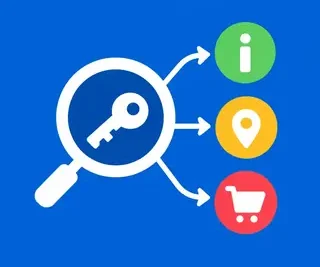 Understanding Keyword Intent
 Keyword Research Tools & Techniques
 E-commerce Keyword Research
 Content Gap Analysis for Keyword Opportunities
 Voice Search Keyword Research
 Competitive Keyword Analysis
 Semantic Keyword Research and LSI Keywords
 Keyword Research for Specific Niches
 Keyword Research Fundamentals
 Local Keyword Research
 Keyword Clustering Strategies
Keyword Research Mastery at SEOFastTrack
Welcome to our comprehensive Keyword Research hub, tailored for small business owners, bloggers, and digital marketers. Here, you’ll discover actionable tactics to uncover high-value search terms, outrank competitors, and align your content with user intent. From foundational basics to advanced clustering and voice search trends, every subcategory below is engineered to boost your organic visibility. Dive in and transform raw queries into a strategic roadmap for sustainable SEO growth.
🔍 Keyword Clustering Strategies
Learn to group semantically related keywords into topic clusters, enabling search engines to see your site as an authority. We cover how to map primary and secondary terms, build pillar pages that interlink to supporting posts, and improve crawlability. Expect step-by-step methods using spreadsheet formulas and AI tools to automate grouping. This approach reduces cannibalization and increases rankings for multiple queries, making your content architecture more logical and user-friendly.
📍 Local Keyword Research
Dominate your neighborhood by targeting location-specific queries like “plumber in Austin” or “best coffee near me.” We’ll guide you on leveraging Google Business Profile insights, local directories, and geo-modified long-tail terms. Discover how to find “near me” variations, neighborhood slang, and local service nuances. Prioritize intent-rich local phrases that convert foot traffic, and learn to balance city-level terms with hyper-local neighborhoods for maximum relevance.
📘 Keyword Research Fundamentals
Start from scratch with the core principles: understanding search volume, keyword difficulty, and relevance. We break down how to use tools like Google Keyword Planner, Ahrefs, or SEMrush to generate seed ideas and filter for realistic opportunities. Master the art of balancing head terms and long-tails to build a sustainable keyword portfolio. You’ll also learn common pitfalls like chasing vanity metrics and ignoring user intent, ensuring your foundational research is solid.
🧪 Keyword Research for Specific Niches
Every industry has unique jargon and search patterns. Whether you’re in health, finance, legal, or hobby crafts, we provide tailored frameworks to extract niche-specific queries. Explore forums, Reddit, and industry Q&A sites to uncover pain-point phrases. Learn how to validate niche keywords for buyer readiness and use modifiers like “for beginners,” “best,” or “vs.” to capture high-intent segments. This section turns broad research into sniper-level precision.
🧠 Semantic Keyword Research and LSI Keywords
Modern search engines understand context, not just exact matches. Discover how to identify latent semantic indexing (LSI) keywords—terms related to your main topic that boost topical authority. We’ll show you how to mine Google’s “People Also Ask,” related searches, and co-occurrence patterns. Integrate semantic variations naturally into your content to improve relevance and dwell time, making your pages more robust against algorithm updates like BERT and MUM.
⚔️ Competitive Keyword Analysis
Spy on your rivals to find gaps and opportunities they’ve missed. Learn to reverse-engineer competitor top-ranking pages using tools like SpyFu or Ahrefs’ Content Gap feature. Identify which keywords they rank for but you don’t, their weak content pieces, and their backlink sources. Turn competitor data into your strategic advantage by creating better, longer, or more current content targeting their successful terms, plus discover untapped queries they overlooked.
🗣️ Voice Search Keyword Research
With smart speakers and mobile assistants, conversational queries are rising. We explain how to optimize for question-based phrases like “What’s the best time to water plants?” and natural language patterns. Focus on long-tail, spoken-style keywords that include location and urgency. Learn to structure FAQ sections and schema markup to capture featured snippets, which dominate voice search results. This forward-looking approach future-proofs your SEO.
🕳️ Content Gap Analysis for Keyword Opportunities
Identify what your audience needs that you’re not covering—and what competitors are. We’ll show you how to use Google Search Console, Ahrefs, and Semrush to compare your existing content against industry leaders. Uncover missing subtopics, unanswered questions, and weak internal linking that can be converted into new articles or updates. This category is your blueprint for expanding content reach without guessing, driving consistent traffic from fresh angles.
🛒 E-commerce Keyword Research
Sell products online? This section is your goldmine. Learn to find transactional queries like “buy,” “discount,” “free shipping,” plus product-specific terms like “wireless earbuds under $50.” Master category page vs. product page keyword differentiation and handle duplicate content pitfalls. We also cover search intent for comparison shoppers and how to optimize for Google Shopping by aligning your keyword data with product feeds.
🛠️ Keyword Research Tools & Techniques
Get hands-on with the best free and paid tools, from Google Trends and Keyword Surfer to advanced suites like Moz and Ubersuggest. We compare features, data accuracy, and pricing to help you choose. Learn manual techniques like query mining, autocomplete scraping, and competitor ad monitoring to enrich your tool output. This section also covers extraction workflows, export tips, and how to clean large datasets in Excel for actionable insights.
🎯 Understanding Keyword Intent
Intent is king: informational, navigational, commercial, or transactional. We teach you to classify keywords by user stage and match content accordingly. Use intent to decide whether to create a blog post, product page, or landing page. Practical heuristics include checking SERP features, analyzing question words, and reviewing competitor content formats. Master intent to increase conversion rates and reduce bounce, as your pages will directly answer what users genuinely seek.
🔗 Long-Tail Keyword Strategies
Long-tail keywords are less competitive and highly converting. We show you how to mine them from autocomplete, “related searches,” and customer feedback. Learn to build content clusters around specific long-tails that each address a micro-need, capturing zero-click and featured snippet opportunities. This strategy works especially well for new sites with low domain authority—you can rank quickly for niche phrases and gradually build authority toward broader terms.
🔄 Keyword Research for Different Funnel Stages
Map keywords to the buyer’s journey: awareness, consideration, decision. We detail how to find top-funnel queries like “what is X,” mid-funnel “best X for Y,” and bottom-funnel “buy X online.” Create separate content assets for each stage and guide users toward conversion with internal links. This section includes templates for aligning keyword lists with funnel campaigns, ensuring you don’t overload decision-stage users with educational fluff.
✍️ Keyword Research for Bloggers
Bloggers need consistent content ideas—this section delivers. Learn to generate evergreen topics, seasonal spikes, and trending angles using tools like Google Trends and AnswerThePublic. Balance keyword demand with your unique voice and expertise to build loyal readership. We also cover how to repurpose high-performing posts targeting new keywords, plus strategies for guest posting and monetizing niche queries through affiliate links or ads.
🗺️ Keyword Mapping and Site Structure
Connecting keywords to specific URLs creates a clear site hierarchy. We’ll teach you to assign primary keywords to homepages, category pages, and individual posts, avoiding overlaps. Use a keyword mapping spreadsheet to track target queries, URLs, and internal links—essential for large sites. This blueprint improves crawl efficiency and helps search engines understand your topical focus, boosting rank potential for all related pages.
📱 Mobile Keyword Research Trends
Mobile searches dominate—and they’re different from desktop. We analyze shorter queries, location-based intent, and voice-activated searches. Learn to prioritize mobile-first keywords with high “thumb stop” appeal and local relevance. We also cover mobile SERP features like snack packs and app-indexing. Staying ahead of mobile trends ensures you capture the on-the-go audience that often has immediate purchasing intent.
Frequently Asked Questions
What is the difference between short-tail and long-tail keywords?
Short-tail keywords are broad, one-to-three-word phrases like “shoes” with high search volume but fierce competition and vague intent. Long-tail keywords are specific, multi-word phrases like “women’s running shoes for flat feet” with lower volume but higher conversion rates. Long-tails help new sites rank quickly and attract buyers ready to act. Use both: long-tails for immediate wins, short-tails for long-term authority.
How often should I update my keyword research?
Revisit your keyword strategy quarterly to adapt to seasonal trends, industry shifts, and algorithm updates. Monitor your top 20 keywords monthly for ranking drops or rises. Use Google Search Console to spot new queries you’re already matching. Regular updates prevent content staleness and keep you ahead of competitors. For fast-moving niches like fashion or tech, review monthly; for stable fields, every six months suffices.
Can I rank for keywords with high difficulty using only content?
Yes, but it requires superior content and patience. High-difficulty keywords usually need strong domain authority, backlinks, and engagement signals. Produce better, longer, and more up-to-date content than current rankers. Include multimedia, expert quotes, and original research. Then aggressively build backlinks and internal links. Start with related long-tails to build authority gradually, then target head terms as your domain strengthens.
How do I find keywords that my competitors are missing?
Use content gap analysis tools like Ahrefs’ “Content Gap” or SEMrush’s “Keyword Gap.” Enter your domain and up to four competitors—find queries they rank for, but you don’t. Also, explore “People Also Ask” and Reddit threads for unanswered questions. Check your internal search logs and customer emails for unique phrasing. These overlooked queries often have low competition and high relevance, driving quick wins.
What is the best free keyword research tool for beginners?
Google Keyword Planner is reliable and free with a Google Ads account, plus Google Trends and “Related Searches” give extra insights. For a more visual approach, use Keyword Surfer (Chrome extension) to see volumes and related terms directly in search results. AnswerThePublic offers a free tier for question-based keywords. These tools suffice for starting out—upgrade to paid suites only when scaling significant content production.