Local Keyword Research
Read more about this topic
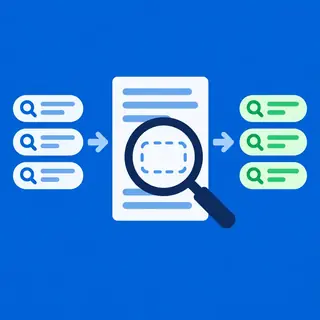
Local Keyword Research is your secret weapon for dominating your neighborhood’s search results. While global keywords bring in broad traffic, local terms—like “plumber in Austin” or “best vegan cafe near me”—capture high-intent customers ready to buy. 🌍🗺️ This process goes beyond simple Google searches; it dives into geo-specific phrases, map pack opportunities, and voice-search queries that drive foot traffic and phone calls. By leveraging tools like Google’s auto-suggest, “People Also Ask,” and localized competitor analysis, you can uncover hyper-relevant keywords that your rivals overlook. The payoff? Higher rankings in the local pack, more qualified leads, and a stronger community presence. Whether you’re a bakery, law firm, or home-service pro, mastering local keyword research ensures your business appears precisely when nearby customers are hunting for what you offer. Don’t just get found—get chosen, block by block. 🎯🏪
1 article

Articles in Local Keyword Research

Local Keyword Research: Unlock Your Neighborhood’s Search Potential
Local Keyword Research is the process of finding search terms that potential customers in your geographic area use to discover products, services, or content. Unlike generic keyword research, this subcategory focuses on location-specific modifiers, “near me” queries, and community-centric language. For small businesses, bloggers, and digital marketers targeting a regional audience, mastering local keywords is the difference between appearing in a global noise and dominating your town’s search results. This guide will walk you through the exact strategies, tools, and data sources to build a local keyword library that drives foot traffic, calls, and website visits.
📍 Why Local Keywords Matter for Your SEO Strategy
Local keywords bridge the gap between user intent and physical proximity. When someone searches “best pizza in Austin” or “plumber near me,” they are ready to act within hours, not weeks. According to Google, 46% of all searches have local intent, and 76% of people who search locally visit a business within a day. By targeting these phrases, you not only rank for high-conversion queries but also reduce competition—national brands rarely optimize for “Westside bakery,” giving you a clear edge. Local keywords also enhance your Google Business Profile, align with voice search (e.g., “where can I get my car fixed?”), and improve your click-through rates because users see your location in the snippet.
Beyond rankings, local keyword data reveals customer pain points specific to your area. For instance, “snow removal services in Buffalo” tells you more than a service type—it signals seasonal urgency and weather-related needs. This allows you to craft hyper-relevant content, offers, and landing pages that resonate emotionally. Ignoring local keywords means you’re invisible to the most valuable segment: the nearby buyer. Your competitors are already using them, so integrating local phrasing into your titles, headings, and body text is foundational to any regional growth plan.
🛠️ Top Tools and Methods for Uncovering Local Keywords
You don’t need expensive software to start. Begin with Google Autocomplete and “People Also Ask” boxes by typing a seed keyword plus your city name. Then, use free tools like Google Keyword Planner (filter by location) and Google Trends (compare regional interest). For deeper insights, tools like Ahrefs, SEMrush, and Moz allow you to set a geo-targeted location and see keyword volume, difficulty, and SERP features locally. Don’t overlook your own analytics—search console queries show which local terms already bring impressions, even if you’re not ranking well. Also, analyze your competitors’ local pages using tools like SpyFu to see which phrases they target, then find gaps they missed.
Another underrated method is local forum mining—check Nextdoor, Yelp, and Reddit’s city subreddits for phrases real people use. For example, a user might say “cheap daycare in Maplewood” instead of “child care services.” These conversational terms are gold. Additionally, use Google’s “related searches” at the bottom of results pages to expand your list with synonyms and long-tail variations. Combine these methods with a spreadsheet to categorize keywords by intent (informational, transactional, navigational) and by distance radius (city, neighborhood, landmark). This systematic approach ensures you cover all angles from broad to ultra-specific.
📊 How to Analyze Local Keyword Competition and Intent
Once you have a list, evaluate each keyword’s difficulty score and the type of results currently ranking. For local terms, the competition often isn’t based on domain authority but on relevance and proximity. A small blog can outrank a giant national site if it has a dedicated local page with embedded map, local citations, and schema markup. Look at the top 10 results—are they local directories, competitor sites, or map packs? If the map pack dominates, you’ll need to optimize your Google Business Profile more than your page content. Use keyword difficulty tools with a local filter to see how many local domains are competing, not just global authority.
Intent analysis is equally critical. A query like “restaurants near hotel” indicates a tourist with immediate need, whereas “best Italian restaurants in town for date night” suggests research. Map each keyword to a stage in your funnel. For bottom-of-funnel terms (e.g., “emergency locksmith [city]”), create service pages with clear calls-to-action. For informational queries (e.g., “what is the average cost of roofing in Denver”), write blogs that answer questions and subtly promote your services. This alignment boosts conversions because you’re meeting users where they are in their decision journey. Track your rankings over time to see which intents convert best.
🏘️ Building Location-Specific Landing Pages and Content Clusters
A single page optimized for “plumber Austin” won’t rank for “plumber South Congress.” You need separate pages for each service in each area. Create a structured content cluster: a main “Plumbing Services” page, then sub-pages like “Plumber in South Congress” and “Emergency Plumber in Cedar Park.” Each page should include unique local info—neighborhood names, local landmarks, testimonials from that area, and a Google Map embed. This avoids cannibalization by assigning each keyword to its own URL while building internal links from the main service page. Use schema markup (LocalBusiness, Service, and FAQPage) to help search engines understand the geographic relevance.
Content clusters also help you cover secondary long-tail keywords. For example, a “best hiking trails in Boulder” post can link to your “guided hiking tours in Boulder” service page. Write at least 800 words per local page, but ensure the info is genuinely useful—include directions, parking tips, or seasonal advice. Google rewards depth and freshness, so update these pages quarterly with new local events, photos, or customer reviews. If you have multiple local competitors, look at their content gaps, such as missing “how-to” guides or video testimonials, and fill those with your own. This authoritative approach signals to Google that you are the local expert.
🗣️ Leveraging Voice Search and “Near Me” Queries
Voice search is exploding, with 55% of teens and 41% of adults using it daily. Local queries are the most common voice searches—people say “OK Google, find a locksmith near me” or “what time does the pharmacy open?”. To capture this, your keyword list must include natural, conversational phrases with question words (how, where, what, when) and proximity terms. Optimize for featured snippets by providing concise, direct answers in your content (e.g., “Our store hours are 8am–9pm daily”). Also, ensure your NAP (Name, Address, Phone) data is consistent across your site, listings, and Google Profile, as voice assistants pull from these sources.
For “near me” queries, you don’t have to include the phrase verbatim—Google automatically infers location from the user’s IP or GPS. However, you should still create content that answers related questions like “is there a 24-hour pet store nearby?”. Implement structured data for your business hours, geo-coordinates, and service radius. Also, create a FAQ section on each local page to target question-based voice queries—these often rank in position zero. Test your own voice searches to see what audio responses come up, and adjust your copy to match the concise, spoken tone that assistants prefer.
📈 Tracking and Refining Your Local Keyword Performance
Set up Google Search Console and monitor your local queries’ impressions and clicks weekly. Create a custom report in Google Analytics to track conversions from local landing pages (calls, form fills, direction clicks). Use tools like BrightLocal or Whitespark to track your local pack rankings separately from organic results. Set up rank tracking for each of your main local keywords and check changes monthly. If a keyword drops, look at SERP changes—maybe a new competitor or a Google algorithm update. If clicks are high but conversions low, refine your landing page copy and call-to-action to better match the keyword intent.
Also, monitor your competitors’ local content for new trends—they might start targeting a new neighborhood or service you’ve missed. Use Google Alerts for your city plus your main services to catch emerging terms. Regularly update your keyword list: add seasonal terms (e.g., “holiday lights installation”) and remove outdated ones. Test different title tags and meta descriptions containing local modifiers to see which identifiers improve CTR. Over six months, you’ll notice patterns—some neighborhoods convert better, some times of year spike in volume. Use this data to double down on your best performers and phase out weak ones. Local keyword research is an ongoing cycle, not a one-time task.
Frequently Asked Questions
How many local keywords should I target for a single service page?
Focus on one primary keyword and two to four secondary variations per page. For example, your primary might be “roof repair in Phoenix” and secondaries could be “emergency roof repair Phoenix” and “roofer in Scottsdale.” Overloading a page with dozens of keywords dilutes relevance and may trigger cannibalization. Instead, build a hub-and-spoke structure where the main page targets the head term and sub-pages target specific neighborhoods or service types.
Can I use location pages without a physical storefront?
Yes, but only if you genuinely serve that area. If you’re a plumber who travels to multiple cities, create a service area page for each city with unique content, not just a rewritten version. Avoid creating “doorway pages” for areas you don’t serve—Google penalties apply. Instead, list your service radius on your main page and use one page per major city you actively cover, with testimonials and project examples from those locations.
What’s the difference between local keywords and geo-targeted SEO?
Local keywords are specific phrases with location modifiers (e.g., “dentist in Moab”). Geo-targeted SEO is the broader practice of optimizing your entire online presence for a region—including your Google Business Profile, citations, embedded maps, and localized content. Local keyword research feeds into geo-targeted SEO, but the latter also involves technical elements like schema markup and link building from local directories.
Should I include the city name in my title tags for every page?
Only for pages that are truly local—your homepage, service pages, and location-specific posts. For informational blog posts (e.g., “septic tank maintenance tips”), you don’t need a city name in the title, but you can add a local reference in the introduction or conclusion. Overstuffing city names in all titles looks spammy and reduces click-through rates. Use your judgment based on page intent.
How long does it take to see results from local keyword optimization?
Typically, you’ll see initial improvement in 4 to 8 weeks, especially if you target long-tail, low-competition terms. For competitive urban areas, it may take 3 to 6 months to rank in the top 10. Consistency matters—update your local content, earn local backlinks, and monitor your Google Business Profile daily. The more unique, helpful local content you have, the faster you’ll stabilize rankings.
Related topics