On-Page SEO Fundamentals
Read more about this topic
Mastering on-page SEO fundamentals is the cornerstone of any successful search engine optimization strategy—and it’s exactly where you start turning your website into a magnet for organic traffic. From optimizing title tags and meta descriptions to structuring your header tags (H1–H6) and crafting SEO-friendly URLs, these core practices ensure search engines understand your content while users enjoy a seamless experience. We’ll walk you through the essential elements like keyword placement, internal linking, image alt text, and content relevance, all designed to boost your rankings without needing technical expertise. Whether you’re a small business owner, blogger, or digital marketer, grasping these fundamentals helps you build a solid foundation that supports every other SEO effort—from link-building to technical audits. Dive in to learn how to align your pages with both Google’s algorithms and real user intent, giving you a competitive edge that’s both practical and sustainable. 🚀🔍
1 article
Articles in On-Page SEO Fundamentals
Master On-Page SEO Fundamentals: Your Blueprint for Higher Rankings
Welcome to the On-Page SEO Fundamentals subcategory, the heart of SEOFastTrack’s practical training. Here, we break down every element you control directly on your website—from title tags to internal links—to signal relevance and authority to search engines. Whether you’re a small business owner, blogger, or digital marketer, these essentials will transform your pages into ranking magnets. No fluff, just actionable steps to boost organic traffic, improve user experience, and outshine competitors. Let’s dive into the core building blocks that make Google love your content.
🔍 Crafting Irresistible Title Tags & Meta Descriptions
Your title tag is the first impression in search results, and the meta description is your ad copy. These two elements work together to earn clicks and set expectations. We’ll teach you how to write compelling, keyword-rich titles under 60 characters and descriptions under 155 characters that spark curiosity. You’ll also learn to avoid common pitfalls like duplication and keyword stuffing, which can hurt your CTR and rankings.
Beyond just writing, this section covers structured data markup for rich snippets and how to align your headlines with user intent. We’ll show you real examples of high-performing titles and descriptions from various niches, plus A/B testing strategies to refine your approach. By mastering this, you’ll not only improve click-through rates but also build a stronger topical relevance signal. Remember, your meta tags are your free billboard—make them count.
📝 Optimizing Header Tags (H1 to H6) for Semantic Structure
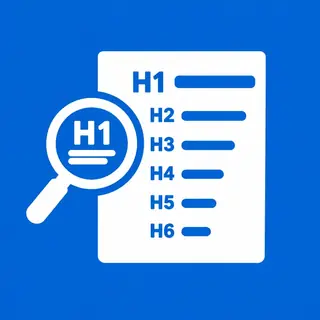
Headers aren’t just for visual hierarchy; they’re a roadmap for search engines. Your H1 should contain your primary keyword and clearly state the page’s topic, while H2s and H3s break down subtopics naturally. In this section, we’ll guide you on using headers to improve readability, support featured snippets, and distribute keyword variations without over-optimization. You’ll learn how to create a logical flow that benefits both users and crawlers.
We’ll also cover proper header nesting (never skip levels) and how to avoid empty or misleading headings. You’ll see practical templates for blog posts, product pages, and service pages. Additionally, we’ll discuss how header tags interact with voice search queries and long-tail keywords, ensuring your content answers questions directly. This foundation is crucial for advanced on-page tactics like topic clusters and entity SEO.
🔗 Internal Linking & Anchor Text Strategy
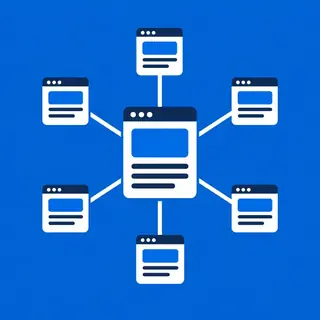
Internal links distribute page authority and guide users through your site. But careless linking can dilute value or confuse crawlers. We’ll teach you how to build a pillar-cluster architecture, where cornerstone content links to supporting posts using descriptive, keyword-rich anchor text. You’ll learn to prioritize links from high-authority pages, avoid exact-match overuse, and fix broken links that harm UX.
This section also covers the art of contextual linking within paragraphs, not just in sidebars or footers. You’ll discover how to identify your most valuable pages using analytics and create a linking plan that boosts rankings for money pages. We’ll include checklists for auditing your existing internal links and a step-by-step method to add 5-10 quality links per article.
📱 Image Optimization: Alt Text, Compression & File Names
Images enrich user experience but can slow down your site if not optimized. Here, you’ll learn to write descriptive alt text that improves accessibility and provides context for image search. We’ll also explain how to compress images without losing quality using modern formats like WebP, and why file names should use hyphens and keywords instead of random strings.
Beyond technical specs, we’ll cover image sitemaps and lazy loading to boost page speed—a key ranking factor. You’ll see before-and-after examples of optimized vs. non-optimized images, along with tools like TinyPNG and ShortPixel. We’ll also touch on responsive images for mobile users and how to use captions strategically for added SEO value. This ensures your visual content works hard for rankings.
📊 Content Freshness & Keyword Placement Best Practices
Search engines reward updated, comprehensive content. In this part, we’ll show you how to refresh old posts by adding new sections, updating stats, and improving readability. You’ll also learn the optimal places to insert your primary keyword—title, first 100 words, H2s, and conclusion—without sacrificing natural flow. We’ll debunk myths about keyword density and focus on semantic relevance using Latent Semantic Indexing (LSI) terms.
We’ll provide a simple 5-step content audit routine, a calendar for regular updates, and tips for merging thin content into stronger pages. You’ll also understand how user engagement signals (dwell time, bounce rate) correlate with freshness and keyword usage. By applying these tactics, your content stays competitive and aligned with Google’s E-E-A-T guidelines.
Frequently Asked Questions
What is the #1 on-page SEO factor for beginners?
The title tag is the most critical starting point because it directly signals relevance to search engines and users. A clear, keyword-optimized title improves click-through rates and sets the topic for the entire page. Once mastered, move to headers and content alignment.
How long should my meta description be?
Aim for 150-160 characters, but don’t obsess over exact length. Search engines may truncate longer descriptions, so put the most compelling information and your primary keyword in the first 120 characters. Always write unique descriptions for each page to avoid duplicate content issues.
Can I use multiple H1 tags on one page?
Technically, you can, but it’s not recommended. Stick to one H1 per page that clearly defines the main topic. Use H2s and H3s for subtopics to maintain a logical hierarchy. Multiple H1s confuse crawlers and dilute the page’s focus, harming your SEO efforts.
How often should I update old on-page content?
Review your key posts every 6-12 months, or whenever you notice a ranking drop. Update stats, add new sections, refresh examples, and improve readability. For evergreen topics, a quick check for broken links and updated keywords is enough. Consistency is more important than frequency.
Does image alt text impact SEO rankings?
Yes, but indirectly. Alt text helps search engines understand image content, which can drive traffic through image search. It also improves accessibility, which is a ranking factor. Use descriptive, keyword-relevant alt text for every meaningful image, but avoid keyword stuffing—keep it natural.
Related topics