Link Reclamation Strategies
Read more about this topic
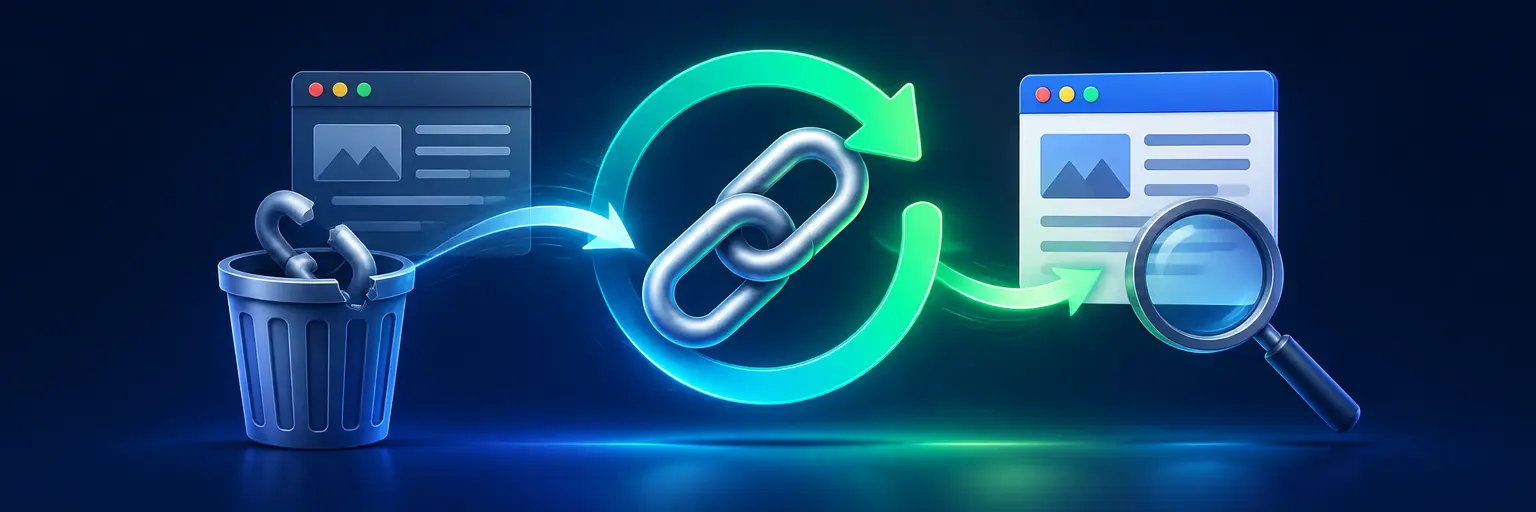
Link reclamation is your secret weapon for recovering lost SEO value without starting from scratch. It’s the art of finding unlinked brand mentions, broken backlinks, or outdated links pointing to your site—and turning them into live, powerful link equity. Instead of chasing new prospects, you’re mining your existing digital footprint for quick wins that boost authority and referral traffic. With a clear audit process, you can reclaim links from competitors’ roundups, fix 404s, or convert plain text mentions into hyperlinks—all while outsmarting algorithm shifts. Whether you’re a small business owner or a seasoned marketer, mastering link reclamation means less outreach, higher ROI, and a stronger domain profile. Start leveraging your untapped link potential today and watch your rankings climb faster than ever.
1 article
Articles in Link Reclamation Strategies
Link Reclamation: Recover Lost Ranking Power and Rebuild Your Backlink Profile
Link reclamation is the systematic process of finding, recovering, and re-earning backlinks that you’ve lost, that are broken, or that simply never linked to you despite mentioning your brand. For small businesses, bloggers, and digital marketers, this is a high-ROI, low-risk link-building strategy because you’re working with already-vetted, relevant domains. Instead of chasing new links from scratch, link reclamation focuses on fixing what’s broken—saving you time, boosting referral traffic, and restoring lost authority. This subcategory in our Link-Building Strategies guide will show you how to audit your backlink profile, identify lost or unlinked mentions, and turn those into strong, editorial links that help your rankings.
🔍 How to Audit Your Backlink Losses and Find Reclamation Opportunities
Before you can reclaim links, you need a clear picture of what you’ve lost. Start by exporting your backlink profile from tools like Ahrefs, SEMrush, or Moz. Filter for links that have dropped in the last 3-6 months, looking at the referring domain’s authority and relevance. These lost links often stem from site migrations, removed content, or pages that were deleted—all of which are recoverable if you act fast. Also, look for “unlinked mentions” where your brand, product, or author is mentioned without a hyperlink. These are gold because the author already knows you, making the outreach easier.
Key focus: Set up alerts in Google Search Console and your link tool to catch sudden drops in backlinks. Prioritize reclaiming links from high-authority, niche-relevant sites first, as they pass more equity. Also, check for broken links in your own content and on external sites that point to dead pages. By systematically categorizing lost vs. unlinked mentions, you can build a targeted reclamation list. This audit is not a one-time task—make it a monthly habit. In doing so, you’ll continuously find fresh opportunities to recover valuable link equity that would otherwise be lost forever.
🛠️ The Tiered Outreach Playbook for Successful Reclamation
Outreach for link reclamation is different from cold pitching because you have existing context. Your first step is to segment your prospects into three tiers: Tier 1 includes sites that previously linked to you and still exist—these require a simple “polite nudge” email. Tier 2 covers unlinked brand mentions, where you’ll ask for a hyperlink, providing the exact URL and anchor text. Tier 3 includes broken links on high-authority pages that point to a 404 on your site—here, you’ll suggest replacing them with a live, relevant page from your site. Write short, personalized emails under 150 words, referencing the specific link or mention.
Pro tip: Use a subject line like “Quick fix for your broken link” or “Thanks for mentioning us—link it up?” to increase open rates. Include a simple, direct call to action—no need for lengthy value pitches. For Tier 3, offer to send an updated resource if your content has changed. Track all responses in a spreadsheet, following up twice (no more than 3 touches total) over 2-3 weeks. Persistence pays—success rates average 15-30% for reclamation, far higher than typical link building. Always thank the site owner and keep the relationship warm for future opportunities.
⚙️ Using Redirects and Canonical Tags to Recover Link Equity from Dead Pages
One of the most powerful yet overlooked link reclamation tactics is using 301 redirects to salvage value from deleted or moved pages. If you’ve ever 404’d a product page or old blog post, you’ve likely lost link equity. Instead, before deleting anything, set up a 301 redirect to the most relevant, similar page on your site. This passes the majority of link juice and keeps users from hitting a dead end. For pages that are already gone, you can still create a lightweight “content recovery” page—a brief copy that repeats the core value—and redirect it to that, preserving links.
Technical fix: Also audit your canonical tags. Sometimes, self-referential canonicals get broken after site updates, causing search engines to ignore link signals. Ensure every URL you care about has a correct canonical pointing to itself or a chosen variant. Use a site search for “404” in Google Search Console to find user-facing errors, then fix them via redirects. This is a technical SEO skill that directly boosts your link-building performance. By recovering equity from dead pages, you’re effectively “reusing” old backlinks without any outreach—a passive but essential part of the reclamation strategy.
💬 Leveraging Brand Mentions and Social Signals for Unlinked Link Wins
Your brand may be talked about on social media, forums, or review sites without a hyperlink. To reclaim these, use tools like Mention, Brand24, or simple Google Alerts to track your name, product, or content titles. Once you find a non-linked mention, reach out with a friendly note: “Thanks for your kind words—would you mind linking to us? Here’s the URL.” Keep it value-based; if the mention is positive, the owner is usually happy to add a link. For forums and Q&A sites like Reddit or Quora, add a link only if it genuinely answers the question—don’t spam.
Best practice: For social profiles, link to your homepage or a key landing page in your bio, but for on-page mentions, ask for a link to the specific resource they’re referencing. This improves relevance and click-through. Also, check for unlinked citations from local directories, industry associations, or partner sites. A quick outreach to those with a polite request can turn a simple name drop into a dofollow link. Always monitor comment sections and blog comments where you’ve been mentioned. Over time, this creates a steady stream of easy wins that compound your authority.
📊 Tracking Reclamation Success: Metrics, Tools, and Reporting
You can’t improve what you don’t measure. For link reclamation, your primary metrics are: number of links recovered, referring domain authority (DR) gained, and increase in organic referral traffic. Also track the click-through rate of your outreach emails—aim for above 30% open and 5% reply rates. Use a dedicated reclamation tracker in Google Sheets or a CRM like HubSpot, logging each prospect’s status (found, contacted, responded, linked). Tools like Ahrefs’ “Lost Backlinks” report show net loss over time, helping you see if your reclamation is outpacing natural decay.
Reporting tip: For client or internal reports, quantify the value by comparing the reclamation cost (hours spent) vs. the cost of buying or earning new links. A typical reclaimed link can save you $20-50 in outreach effort. Also, monitor your search console for improved rankings on target pages over 60-90 days. Use UTM parameters to track referral traffic from reclaimed links to prove tangible ROI. Regularly update your reclamation list with new lost links each month. By building a repeatable process, you’ll ensure your backlink profile stays strong, resilient, and always growing—even when sites naturally go offline.
Frequently Asked Questions
What is the difference between link reclamation and broken link building?
Link reclamation focuses on recovering links you once had or mentions that never became links. Broken link building is a proactive tactic where you find broken links on other sites and suggest your content as a replacement. Reclamation is more about fixing your own site’s past losses, while broken link building targets others’ errors. Both are valuable, but reclamation is often faster because the site owner already knows you.
How often should I audit my backlinks for reclamation opportunities?
Aim for a monthly audit. With tools like Ahrefs or SEMrush, you can set up alerts for lost links. Frequent checks help you catch issues early, like a site restructuring that removes your link. Monthly audits also keep your outreach list fresh, preventing you from chasing long-gone opportunities. If you have a large site, a weekly quick scan of new lost links is also effective.
Can I reclaim links from pages that are no longer indexed by Google?
Yes, but with limited value. If a page is still live but not indexed, you can try to re-request indexing or ask the webmaster to fix technical issues. If the page is gone entirely (404 or deleted), you can’t reclaim the link, but you can attempt to get a new link by offering your updated content. Prioritize live, indexed pages first.
Do reclaimed links need to be dofollow to be worth the effort?
Not necessarily. Even nofollow links bring referral traffic and brand visibility. However, for SEO equity, dofollow links are more valuable. When reaching out, you can politely ask if the link could be dofollow, but don’t push—many sites use nofollow for editorial integrity. A mix is fine, but focus on high-authority dofollow sources for maximum ranking impact.
What’s the best email template for unlinked brand mention outreach?
Keep it short and friendly. Subject: “Thanks for the mention—could you link us?” Body: “Hi [Name], I noticed you mentioned [Brand/Product] in your [post/article]. We’d love if you could add a link to our [relevant URL] for your readers’ benefit. Here’s the exact URL. Let me know if you have any questions. Thanks!” This is under 100 words, personalized, and gives them everything they need without pressure.
Related topics