Link-Building Fundamentals
Read more about this topic
Master the art of earning high-quality backlinks with our foundational guide to link-building. Learn why domain authority, relevance, and trust matter, how to craft a sustainable outreach strategy, and avoid common penalties. Whether you’re a small business owner or a blogger, these fundamentals turn links into measurable traffic and search rankings. Start building smarter, not harder, with actionable tips on anchor text, link diversity, and ethical white-hat tactics. Perfect for beginners and pros refreshing their approach. 🚀🔗
1 article

Articles in Link-Building Fundamentals
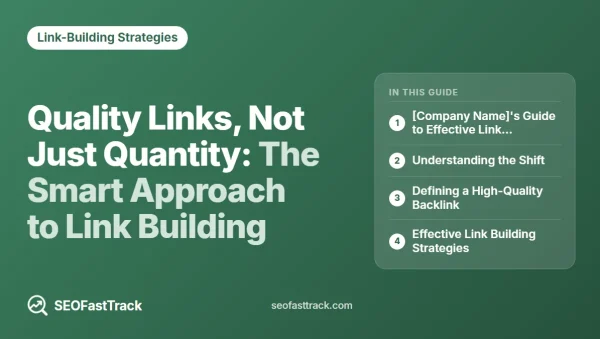
Link-Building Fundamentals: Your Blueprint for Authority and Rankings
Welcome to the cornerstone of off-page SEO. Link-building fundamentals are the essential practices and principles that transform your website from a digital island into a connected hub of authority. For small business owners, bloggers, and digital marketers, mastering this subcategory is non-negotiable for sustainable organic growth. Here, you’ll move beyond myths and learn the mechanics of earning high-quality backlinks, understanding how search engines evaluate trust, relevance, and popularity. This is not about quick tricks; it’s about building a resilient link profile that survives algorithm updates and drives measurable traffic. Dive in to discover the why and how behind every successful link-building campaign.
🔗 The Anatomy of a High-Quality Backlink
Not all links are created equal. In this section, you’ll learn to dissect a backlink’s value by examining domain authority, relevance, placement, and anchor text. We break down why a single link from a trusted industry blog outperforms dozens of links from spam directories. Expect clear criteria for evaluating potential link sources, including traffic metrics, content context, and editorial standards. You’ll also understand the dangers of toxic links and how to avoid them from day one.
Practical takeaway: You’ll be able to audit your current backlink profile like a pro. We’ll show you how to use free tools like Google Search Console and Moz Link Explorer to spot red flags and opportunities. By understanding link equity flow, you’ll prioritize outreach targets that actually move the needle for your local SEO or niche authority, ensuring every earned link serves a strategic purpose.
📝 Content That Naturally Attracts Links
Link-building starts before you ever send an outreach email—it starts with creating link-worthy assets. This covers the types of content that compel others to reference you: original research, comprehensive guides, infographics, and case studies. You’ll learn how to transform a simple blog post into a resource that journalists, bloggers, and industry peers cite because it genuinely solves a problem. We’ll explore the “skyscraper technique” and how to improve existing popular content to become the definitive source.
Expect actionable formats and headline formulas that increase your content’s shareability. We discuss the importance of visual elements, data visualization, and unique insights that break through the noise. You’ll finish this section knowing how to plan a content calendar that doubles as a link magnet, saving you countless hours of manual promotion while establishing your site as an authoritative reference point in your niche.
🤝 Outreach Strategies That Get Replies
Cold emails fail because they’re transactional. Here, we pivot to relationship-driven outreach that respects the recipient’s time and adds value first. You’ll learn scripting frameworks for different scenarios—from resource page link requests to broken link building and guest post pitches. We’ll role-play with real examples, teaching you how to personalize messages at scale without sounding robotic. Discover when to use social media touchpoints and how to follow up politely without being a nuisance.
Beyond templates, this section reveals the psychology behind successful outreach: timing, subject lines, and mutual benefit. You’ll build a simple CRM using spreadsheets or free tools to track your outreach pipeline. We’ll also cover how to leverage your existing network and partnerships, turning clients, colleagues, and industry friends into natural link providers. By the end, you’ll feel confident hitting send, knowing your approach is professional and effective.
🛠️ Essential Link-Building Tools for Beginners
You don’t need an expensive suite to start winning links. This segment curates the best free and low-cost tools for prospecting, analyzing, and monitoring your backlinks. From Ahrefs’ free webmaster tools to SEMrush’s limited free tier and open-source alternatives, we’ll guide you through setting up a lean workflow. Learn how to use Google Alerts for brand mentions, identify competitor backlink gaps with free trials, and automate your outreach reporting with simple scripts or browser extensions.
You’ll also understand which tools are worth upgrading to as you scale. We’ll compare features, pricing, and learning curves, helping you avoid overspending on features you won’t use. Expect a practical checklist to assemble your personal “link-building toolkit” in under an hour. This foundational setup ensures you’re not guessing—you’re measuring, iterating, and improving your efforts with hard data, even on a tight budget.
🚫 Common Link-Building Mistakes to Avoid
Even seasoned marketers fall into pitfalls that waste effort or invite penalties. This section highlights the top ten mistakes, including buying links, over-optimized anchor text, ignoring nofollow links, and neglecting local citations. We’ll explain each error’s impact on your site’s credibility and Google’s guidelines. You’ll learn how to spot these issues in your own practices and correct course before they harm your rankings.
Beyond avoiding penalties, we address efficiency mistakes like pursuing low-relevance links that don’t drive referral traffic. You’ll understand the balance between quantity and quality, and why a slow, steady approach outperforms aggressive tactics. We provide a pre-flight checklist to review before any link-building campaign, ensuring you’re aligned with best practices. This proactive mindset protects your domain’s trust and sustains long-term growth.
📊 Measuring Link-Building Success and ROI
How do you know your efforts are paying off? This final body section covers key performance indicators beyond domain authority—organic traffic growth, keyword ranking improvements, referral conversions, and brand mentions. You’ll explore setting up custom Google Analytics reports and linking your backlink data to revenue where possible. We’ll teach you to create a simple monthly dashboard that tracks your link velocity, new referring domains, and the quality score of acquired links.
You’ll also learn to tie link-building to business outcomes, such as leads or sales, using UTM parameters and goal tracking. See real examples of how small businesses used this data to pivot from low-yield tactics to high-impact partnerships. Finally, we’ll discuss when to scale up efforts and when to pause for content refreshment. Measurement ensures your link-building is a science, not a gamble—transforming your strategy from hopeful to evidence-based.
Frequently Asked Questions
What is the most important factor in a backlink’s quality?
The relevance of the linking site to your niche is paramount, followed closely by its authority and trust metrics. A link from a respected industry blog has far more power than a generic directory link. Also, consider the page’s editorial context and whether the link appears naturally within valuable content, not just in footers or sidebars.
How many backlinks does my website need to rank?
There’s no fixed number; it depends on your competition and niche. For new sites, focus on earning 5-10 solid, relevant links per month. As you grow, maintain steady acquisition rather than chasing volume. Quality links from authoritative sites often outweigh dozens of low-quality ones. Monitor your competitors’ profiles to benchmark realistic goals.
Are nofollow links useless for SEO?
Not at all. While nofollow links don’t pass link equity directly, they can drive traffic, increase brand visibility, lead to natural follow links, and diversify your profile. A healthy mix of follow and nofollow links looks organic to search engines. Pursue them for their referral value and potential indirect benefits.
How long does it take to see results from link-building?
Usually 2-6 months for noticeable ranking improvements, but it varies. Search engines need time to crawl and index new links, and your site’s overall authority plays a role. Consistency matters—sporadic efforts yield little. Track your metrics monthly, but don’t panic if early progress is slow. Sustained, ethical link-building compounds over time.
Should I avoid guest posting as a link-building tactic?
No, when done correctly, guest posting remains effective. Avoid spammy article directories or sites with zero editorial standards. Instead, target reputable sites that accept guest contributions, provide unique value to their audience, and use natural anchor text. Focus on author bio links and contextual links within the body, and always disclose your collaboration if required.
Related topics