Influencer Outreach for Backlinks
Read more about this topic
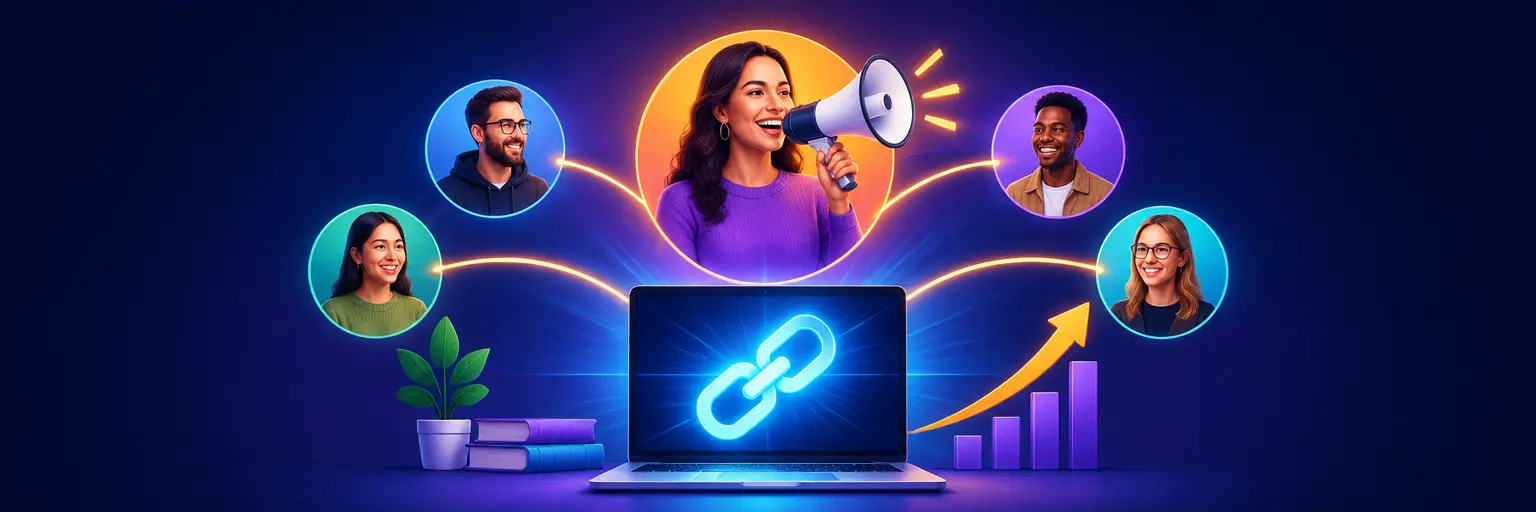
Unlocking high-authority backlinks doesn’t have to be a gamble—influencer outreach turns relationship-building into a scalable link-earning engine. Instead of chasing random directories or spammy link exchanges, this strategy focuses on connecting with industry voices who already hold trust with your target audience. By pitching them valuable content, expert insights, or collaborative resources, you earn contextual, editorially-given backlinks that signal real authority to Google. The key is personalization: research their recent posts, mention their pain points, and offer something they’d genuinely want to share with their followers. When done right, outreach yields higher referral traffic, stronger brand visibility, and long-term domain authority—all without risky tactics. Whether you’re a local business or a growing blog, mastering influencer outreach means turning cold emails into warm partnerships that naturally boost your site’s rankings. Skip the outdated mass-email blasts; focus on quality, relevance, and mutual value, and watch your backlink profile transform into a competitive advantage. Ready to build links that actually last?
2 articles
Articles in Influencer Outreach for Backlinks
Advanced Influencer Outreach Tactics for ProLevel Backlink Building
Influencer Outreach for Backlinks: Your Key to High-Authority Links
In the competitive world of SEO, earning backlinks from authoritative websites is a top priority. Influencer Outreach for Backlinks is a strategic method that leverages relationships with industry influencers to secure high-quality, natural links. Instead of cold-emailing random webmasters, you connect with trusted voices in your niche—bloggers, YouTubers, podcasters, and social media experts—who can link to your content, boosting your domain authority and organic search rankings. This subcategory of Link-Building Strategies is essential for small business owners, bloggers, and digital marketers looking to build a sustainable, ethical backlink profile that drives real traffic and long-term growth. Here, you’ll learn proactive tactics to turn influencers into brand advocates.
📊 Finding the Right Influencers for Your Niche
Effective outreach begins with precise influencer identification. Tools like BuzzSumo, Ahrefs, and Followerwonk let you filter by topic, engagement rate, and audience size, ensuring you target relevant voices—not just big names. Look for influencers who already share your target keywords or audience demographics, and analyze their existing backlink profiles to see where they link out. A micro-influencer in your niche often yields better results than a macro-celebrity because of higher engagement and authenticity.
Once you have a list, prioritize those with active blogs, guest post contributions, or resource pages. Check their social media for responsiveness and genuine interaction with followers. Use Google Alerts to spot influencers mentioning your competitors. This research phase saves time and increases your success rate. Remember, the goal is not to buy links but to build partnerships that naturally lead to citations. Keep a CRM spreadsheet to track outreach status, follow-ups, and link placements for future campaigns.
✍️ Crafting Personalized Outreach Emails That Get Replies
Your pitch is the bridge between you and a potential link. Generic templates are ignored; personalized emails get a 30% higher reply rate. Start with a specific compliment about their recent post, video, or podcast episode, referencing a detail you genuinely enjoyed. Then, propose a mutual benefit—offer to share their content with your audience, provide a unique data point, or suggest a guest post idea that fills a gap on their site. Avoid asking for a direct link immediately; instead, offer value first.
Keep emails under 150 words, use a clear subject line (e.g., "Your guide on X inspired my recent research"), and include a call-to-action like "Would you be open to a quick chat?" Use tools like Mailshake or Lemlist for follow-up sequences, but space them 4–7 days apart. Always monitor bounce rates and adjust your list. Personalization also extends to your outreach channel—some influencers prefer DMs on Twitter or LinkedIn, so study their bios to see where they engage most.
🎁 Creating Linkable Assets That Influencers Want to Share
Influencers won’t link to just any page. They need high-quality content that adds value to their audience. Create linkable assets like original research, infographics, comprehensive guides, or interactive tools. For example, a small business blogger could publish a "2025 SEO Statistics Report" with unique survey data—this becomes a resource others cite. Ensure your content is visually appealing, data-rich, and updated regularly, as authoritative sources prefer proof of accuracy.
Also, design for scannability: use bullet points, charts, and pull quotes. Promote your assets through press releases and social media before outreach, so influencers can see traction. Offer to create custom versions of your infographic for their site (with a backlink to the original). You can also create a "resource hub" page that aggregates multiple assets, making it easy for influencers to find what they need. Consistency is key—publish new assets monthly to keep your outreach list fresh.
🤝 Building Long-Term Relationships Beyond One-Off Links
One-off backlinks have limited value; recurring mentions build authority. Focus on relationship-building by engaging with influencers regularly—comment on their posts, share their content, and mention them in your own posts. Offer to collaborate on webinars, co-author articles, or feature them in your newsletter. Over time, they become brand ambassadors who naturally link to your latest content without pitching. Set a goal to nurture at least 5 key relationships per quarter.
Track relationship quality using a score from 1 to 10 based on reciprocity, shared values, and responsiveness. Send occasional check-ins without a link request—just to say hello or share a relevant industry update. This keeps you top-of-mind. When you do ask for a link, frame it as a collaboration: "I’ve noticed you’ve covered X topics; my new study on Y could be a great fit for your readers." Effective relationship-building turns transactions into partnerships, which often leads to referral traffic and social shares.
📈 Measuring SEO Impact and Refining Your Strategy
To know if influencer outreach works, you must measure key metrics like Domain Rating (DR) of linking domains, referral traffic, and keyword rankings for your target terms. Use Google Search Console to see which backlinks drive impressions and clicks. Set monthly goals: e.g., acquire 10 new backlinks from DR30+ sites, with a 5% increase in organic traffic. Also, track engagement from influencer posts—shares, comments, and click-through rates—to assess brand visibility.
Analyze which types of assets and influencer tiers produce the highest-quality links. Are micro-influencers outperforming big-name endorsements? Which email subject lines had the best open rates? Use A/B testing on your outreach templates. Refine your list by removing unresponsive influencers and adding new ones. Remember, link-building is not a one-time activity; it’s a compound process. Tools like SEMrush or Majestic can help monitor your backlink profile for toxic links, ensuring you maintain a clean link neighborhood. Consistent reporting to your team or yourself will guide smarter, data-backed decisions.
Frequently Asked Questions
What is the difference between influencer outreach and guest blogging for backlinks?
Influencer outreach focuses on building a relationship with an individual to get a mention or link, often without creating content on their site. Guest blogging involves writing a full article for their platform, which typically includes an author bio with a backlink. Outreach is more flexible and can lead to multiple link opportunities, while guest blogging is a specific content exchange.
How long does it take to see results from influencer outreach?
Results typically appear within 2–4 weeks after your first successful placements, but significant SEO impact (like ranking improvements) can take 2–3 months. Link indexing by search engines varies; some links get picked up in days, others in weeks. Patience and consistent outreach are essential—most campaigns see their best results after 6 months.
Should I pay influencers for a backlink?
It’s generally not recommended. Paid links violate Google’s Webmaster Guidelines and can lead to penalties. Instead, offer non-monetary value: exclusive data, free tools, product samples, or cross-promotion. If you want to compensate influencers for content creation, clearly label it as sponsored, using rel="sponsored" if you get a link, to stay compliant.
How many influencers should I contact per week?
Quality over quantity is key. Aim for 10–20 personalized outreach emails per week. This allows you to customize each pitch and follow up properly. Sending hundreds of generic requests wastes your time and burns your domain reputation. A smaller, targeted list yields higher reply rates and better link quality than mass outreach.
What if an influencer says yes but asks for a fee to link?
Politely decline if the fee is just for a link. Offer alternatives: propose a guest post, a co-created resource, or a product testimonial. If they genuinely price their collaboration (like for sponsored content), ensure it’s disclosed and the link is nofollow if required. Always prioritize white-hat methods to protect your site’s long-term integrity.
Related topics