Local Keyword Research and Targeting
Read more about this topic
Unlock the power of local keyword research and targeting to put your business on the map—literally. 🌍 This isn’t just about finding words; it’s about discovering the exact phrases your nearby customers type when they’re ready to buy, visit, or call. By honing in on geo-specific terms like “best coffee shop in Austin” or “emergency plumber near me,” you can outrank big competitors and attract high-intent traffic that converts. We’ll show you how to mine Google Autocomplete, map pack data, and customer reviews to build a laser-focused keyword list that aligns with your service area. 🎯 Skip the guesswork—target the searches that matter most, boost your local rankings, and turn online queries into real-world foot traffic. Whether you’re a small business owner or a marketer, mastering this skill is your secret weapon for dominating local search results. Ready to climb the map? Let’s dive in! 🚀
1 article

Articles in Local Keyword Research and Targeting
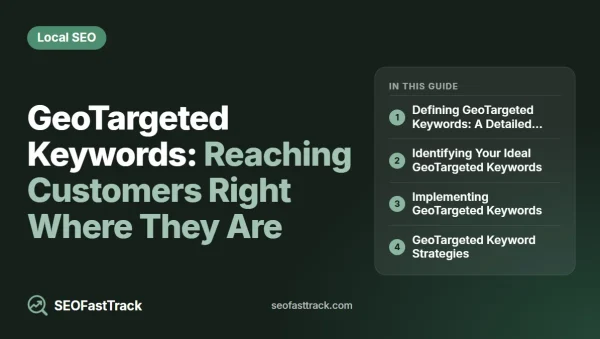
Local Keyword Research and Targeting: Your Blueprint for Hyper-Local Visibility
Welcome to the heart of Local SEO—where generic keywords meet geographic intent. This guide zeroes in on discovering the exact search phrases your nearby customers use, then strategically deploying them across your website and listings. Whether you run a café in Austin or a plumbing service in Cleveland, mastering local keyword research is the difference between being found and being invisible. Here, you’ll learn to blend location modifiers with high-intent terms, analyze competitor gaps, and build a content strategy that ranks in the Google Map Pack and organic results alike. Let’s turn your neighborhood into a digital storefront.
📍 Why Local Keyword Research Differs from General SEO
General SEO targets broad, high-volume terms like “best coffee” or “plumber,” but local search narrows the lens to proximity-based queries such as “best coffee in Austin” or “emergency plumber near me.” These phrases carry higher purchase intent because searchers are ready to act—often within hours. Local keywords also trigger Google’s localized algorithms, which prioritize distance, relevance, and prominence. Skipping this layer means competing against national giants for terms they’ll always win. Instead, you’ll focus on “near me” modifiers, city names, neighborhoods, and colloquial landmarks (e.g., “by the waterfront”) to capture users who are already in your area.
Another critical difference is the role of map pack dominance. When you optimize for local keywords, you’re not just chasing web traffic—you’re vying for a spot in Google’s top-three business listings with a map, phone number, and reviews. This requires a separate keyword set for your Google Business Profile (GBP) descriptions, service areas, and product categories. Moreover, local search queries often have lower competition, making it easier for small businesses to rank if they nail the basics. By understanding these nuances, you’ll allocate your SEO budget where it yields the fastest, most valuable results.
🔍 Tools & Techniques for Uncovering Hidden Local Gems
Start with free tools like Google Autocomplete and Google Trends to see what people type when they add “near me” or city names. Type “plumber in [Your City]” and note the dropdown suggestions—these are real user inquiries. Next, leverage keyword research tools like Ahrefs, SEMrush, or Ubersuggest with a local filter. Input a broad term and switch the geographic targeting to your metro area to see search volume and difficulty levels. Additionally, use Google’s “People Also Ask” and Related Searches at the bottom of results pages to mine long-tail variations. For deeper insights, analyze your competitors’ Google Business Profile categories and their top-ranking pages for local terms.
Don’t overlook review mining—your Yelp and Google reviews often contain phrases customers naturally use, like “affordable roof repair in Oak Park.” Also, use tools like “AlsoAsked” to map question-based clusters. Finally, check your search console to see which queries already bring impressions but not clicks; those are low-hanging fruit. The goal is to build a list of 50–100 keywords grouped by intent (e.g., “buy,” “hire,” “book”), service type, and location. Rank them by a mix of search volume, local relevance, and conversion likelihood, and remember that a 100-volume keyword with high local intent beats a 10,000-volume national term every time.
🏘️ Structuring Your Pages for Local Search Intent
Once you have your keyword list, map them to specific pages—not just your homepage. Create dedicated service-area pages (e.g., “Kitchen Remodeling in Bakersfield”) and treat each as a separate landing page with unique title tags, meta descriptions, and H1s. Use your primary keyword in the URL slug (e.g., /kitchen-remodel-bakersfield) and naturally include secondary phrases in subheadings. For brick-and-mortar locations, embed a Google Map and embed structured data (Schema.org) with your NAP (Name, Address, Phone) to reinforce local cues. Ensure your content answers “what, where, when, and why” about your service—this satisfies both users and search bots.
Beyond on-page text, integrate local keywords into your image alt text, internal anchor links, and footer content. For example, if you own a bakery, optimize a page for “wedding cakes in Portland” but also link to related pages like “birthday cupcakes near Pearl District.” Avoid keyword stuffing—Google penalizes unnatural repetition. Instead, write naturally while sprinkling terms in the first 100 words, one H2, and the conclusion. Also, create separate pages for cities you serve but don’t have a physical storefront, using “serving [city]” roles. This approach tells search engines you’re a local authority without duplicating content, which is critical for ranking in both map and organic results.
📊 Competitor Analysis & Local Search Gap Closure
Your competitors are your best teachers. Identify the top 3–5 local businesses in your niche and run their domains through tools like SEMrush’s Keyword Gap or Ahrefs’ Content Gap. You’ll see which local terms they rank for, but you don’t—those are your opportunities. Also, analyze their Google Business Profile categories, review themes, and website content. If a competitor ranks for “emergency HVAC repair in Plano,” but you only target “HVAC repair Plano,” you’re missing a high-urgency segment. Build content that addresses those gaps, such as a blog post titled “24/7 Emergency HVAC in Plano: What to Do When Your AC Dies at 3 AM.”
Another tactic is analyzing the local search results’ composition. Look at the top three organic results for a keyword—are they city-specific landing pages, blog posts, or directory listings? If directories dominate, claim and optimize those directories for yourself. If competitors use videos or FAQs, incorporate those formats. Use tools like Screaming Frog to audit their on-page keywords and check for missing schema markup. Regularly track your rankings for these gap keywords using rank-tracking software. Over time, you’ll build a feedback loop: publish targeted content, monitor performance, and refine. This iterative process ensures you stay ahead as search behavior evolves, especially with voice search growing.
🚀 Integrating Local Keywords into Content & Metadata
Your keyword research is useless without proper placement. Craft compelling title tags and meta descriptions that include your primary local keyword and a call-to-action. For example, “Affordable Movers in Chicago | Free Quotes – MoveEasy” outperforms “Movers | MoveEasy.” Use header tags (H2, H3) to structure content logically—each H2 can target a secondary keyword, like “How to Choose a Local Mover” or “Chicago Moving Costs Explained.” Within the body, sprinkle terms in the first 100 words, image captions, and external links’ anchor text. Also, maintain a natural keyword density of 1–2%, but prioritize readability.
Don’t forget Google Business Profile optimization: use your keyword list to write your business description, choose relevant categories, and add services with embedded keywords. For example, a dentist could list “teeth whitening in Scottsdale” as a service. Also, update your post titles and photo descriptions with local phrases. Furthermore, create location-based blog posts—like “Guide to the Best Parks in Denver” (if you’re a landscaper)—that naturally include keyword variations. Finally, ensure your internal linking uses descriptive anchor text like “top-rated plumber in Austin” rather than “click here.” This holistic placement signals relevance to search engines and improves user experience, keeping visitors engaged longer—a key ranking factor for local queries.
Frequently Asked Questions
What’s the difference between local and national keyword research?
Local keyword research focuses on geo-modified terms like “dentist downtown Los Angeles” or “pizza delivery near me,” while national research targets broad phrases like “best dentist” without location. Local searches have higher intent, lower competition, and directly feed map pack rankings, whereas national terms are primarily for brand building or e-commerce.
How do I find keywords without expensive tools?
Use free options like Google Autocomplete, Google Trends (with a local region filter), and the “People Also Ask” box. Additionally, review your competitor’s websites and Google My Business listings for common phrases. Also, check your own Search Console for queries that already show impressions but not clicks—those are hidden local gems.
Should I create a separate page for every city I serve?
Yes, but only if you have meaningful content for each city—not just swapping the city name. Write unique insights, testimonials, and local landmarks. If you serve 50 cities, start with the top 10 by volume. Duplicate city pages with thin content can trigger a sitewide penalization, so prioritize quality over quantity.
How often should I update my local keyword list?
Review your list quarterly and after any major market shift—like new competitors, seasonal trends, or changes in customer behavior. Tools like Google Trends can show rising queries. Also, refresh your list after you add new services or locations, and always correlate updates with your GBP reviews and search console data.
Can voice search affect local keyword targeting?
Absolutely. Voice queries are longer and more conversational: “where’s the best Thai restaurant open now?” instead of “best Thai restaurant.” Focus on long-tail, question-based phrases, and natural language. Also, ensure your NAP data is consistent, as voice assistants often pull from business directories to give localized answers.
Related topics