SEO Strategy & Planning


Unlock your website’s true potential with a data-driven SEO strategy that goes beyond rankings to deliver measurable business growth. At SEOFastTrack, we guide small business owners, bloggers, and digital marketers through the entire planning process—from setting clear KPIs and conducting comprehensive SEO audits to aligning search goals with your broader marketing objectives. Whether you’re building long-term brand authority, scaling your efforts across international markets, or managing agile SEO projects with limited resources, our actionable frameworks help you prioritize what truly matters. Turn strategic foresight into a sustainable competitive advantage—optimize smarter, measure impact, and grow with confidence.

Welcome to the SEO Strategy & Planning hub at SEOFastTrack. Here, you’ll discover how to align your search engine optimization efforts with your broader business objectives. Whether you’re a small business owner, blogger, or digital marketer, this category covers everything from setting measurable KPIs to scaling your SEO operations. Each subcategory below offers actionable insights to build a sustainable, results-driven SEO roadmap.
This subcategory guides you through creating a full-fledged SEO plan that combines technical health, content relevance, and authority building. Expect step-by-step frameworks for conducting initial research, defining your target audience, and mapping out priority pages. You’ll learn how to align your strategy with user intent, competitive gaps, and search engine guidelines. The goal is a single, integrated document that your team can follow for 6–12 months.
You’ll also explore how to prioritize quick wins versus long-term projects, ensuring your strategy remains flexible as algorithms evolve. A robust strategy here reduces wasted effort and keeps your entire marketing team on the same page. Think of it as your SEO blueprint—clear, actionable, and tied directly to business outcomes like leads and revenue.
SEO doesn’t work in a silo. This section shows you how to combine organic search with paid ads, social media, email, and PR for maximum impact. You’ll learn how to use SEO data to inform your content calendar, landing page design, and even product launches. Cross-channel consistency is key—your messaging and keywords should reinforce each other across every touchpoint.
Discover how to share insights between teams, such as using PPC keyword data to refine SEO targeting or using organic search trends to shape email campaigns. This integration helps you avoid duplication, save budget, and create a unified customer journey. Practical checklists will help you audit your current marketing mix and identify gaps where SEO can amplify results.
Here, you’ll learn the art of planning content that ranks and converts. This subcategory covers keyword clustering, topic authority, and content gap analysis. Expect guidance on building content pillars and supporting blog posts that answer user questions at every stage of the funnel. Quality over quantity is a recurring theme, with tips on creating comprehensive, unique resources that earn backlinks.
You’ll also explore content refresh cycles, internal linking structures, and how to repurpose top-performing pages into new formats like videos or infographics. Multimedia and structured data are covered to enhance search visibility. By the end, you’ll have a repeatable process for producing content that consistently aligns with your SEO objectives.
Different business stages require different SEO focus. This section compares immediate sales goals (e.g., a new product launch) with brand-building objectives (e.g., thought leadership). You’ll learn how to balance high-intent keywords for quick conversions with informational keywords that take months to mature. Strategic patience is essential—short-term wins should never sacrifice long-term domain strength.
Examples include using local SEO for urgent foot traffic while building a national blog archive for future credibility. You’ll also get advice on setting expectations with stakeholders about realistic timelines. Decision frameworks help you allocate resources between quick fixes and sustainable projects, ensuring you meet both quarterly targets and your five-year vision.
Dive into the distinction between foundational investments (like technical audits, link earning, and content depth) and rapid tactics (like schema markup tweaks or targeted guest posts). This subcategory provides a scoring system to evaluate each action’s risk and reward. Short-term tactics are for testing, while long-term strategies are for compounding—you’ll learn which levers to pull first.
You’ll also get templates for quarterly vs. annual SEO roadmaps, showing how to sequence activities for sustained growth. Case studies illustrate where a quick win (e.g., fixing crawl errors) leads to immediate traffic boosts, whereas a mentorship program for content writers pays off over years. This comparative lens prevents you from over-optimizing today and plateauing tomorrow.
Vague “get more traffic” goals won’t cut it. Here, you’ll learn how to define SMART SEO objectives—specific, measurable, achievable, relevant, and time-bound. Expect lists of essential KPIs like organic sessions, keyword rankings, conversion rate, and domain authority. You’ll also get formulas for calculating ROI and a framework for segmenting KPIs by campaign type.
This subcategory explains how to set baselines using historical data and competitive benchmarks. You’ll also discover how to create dashboard reports that motivate your team rather than overwhelm them. Goal-setting templates for both B2B and B2C are provided, with examples of tying SEO metrics to phone calls, demo bookings, or e-commerce sales.
An audit is the diagnostic test before you write a prescription. This section teaches you how to perform a comprehensive SEO audit that covers technical performance, on-page relevance, and off-page authority. Expect checklists for crawling, indexing, mobile usability, and Core Web Vitals. You’ll learn to prioritize issues based on impact and effort, using tools like Screaming Frog or Google Search Console.
Beyond fixing broken links, you’ll see how audits reveal content gaps and competitor weaknesses. The subcategory includes sample audit reports and step-by-step instructions for turning findings into a prioritized action plan. Regular audits every 6–12 months ensure your strategy adapts to algorithm updates, changing user behavior, or new business offerings.
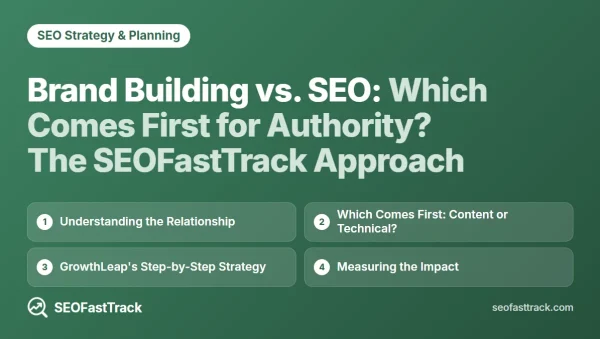
Search engines reward brands that are recognized as trustworthy sources. This subcategory focuses on digital PR, expert authorship, and consistent brand signals across the web. You’ll learn how earning mentions from industry sites boosts not just links but also brand recognition and click-through rates. Expect strategies for creating original research, data studies, or thought-leadership posts that journalists and bloggers love.
You’ll also explore how on-site branding elements—such as author bios, company history, and customer testimonials—reinforce E-E-A-T (Experience, Expertise, Authoritativeness, Trustworthiness). Personal branding for solo consultants is covered too. This approach not only improves rankings but also makes your brand resistant to future algorithm changes that might devalue spammy link schemes.
Once your basics are solid, you’ll want to grow without breaking your team. This subcategory covers process automation, outsourcing models, and tool stacks that support expansion. You’ll learn how to systematize keyword research, content briefs, and reporting so that each new team member or freelancer can hit the ground running. Documentation and templates are key—you’ll get editable workflows for every rout.
Also included are strategies for scaling link building at scale, such as using customer reviews, partnerships, or digital asset linkage. Budgeting for scalability includes advice on when to hire in-house vs. use agencies. Real-world examples show how small blogs grew into multi-author operations while maintaining quality and consistent SEO performance.
Going global requires more than just translating your site. This section explains hreflang tags, localized keywords, and cultural nuances in search behavior. You’ll learn to balance centralized control with local flexibility—e.g., whether to use subdirectories (example.com/fr) or country-code domains (example.fr). Expect a comparison of different URL structures and their impact on link equity.
Also covered are global keyword research methodology, local content creation, and managing duplicate content across regions. Technical requirements like geotargeting, hosting location, and CDN usage are simplified. Case studies highlight mistakes like untranslated meta descriptions or poorly localized pricing pages, plus how to avoid them.
SEO is a multi-step, ongoing project that benefits from solid management. This subcategory offers frameworks for organizing tasks, setting deadlines, and assigning ownership. You’ll learn about tool options—from Trello boards to dedicated SEO software like Monday or Asana—and how to map dependencies (e.g., content can’t publish before technical fixes).
Expect communication templates for stakeholder updates, weekly status reports, and post-launch reviews. Risk management is covered, such as what to do when a core update rolls out mid-project. Also included are tips for managing external contractors and keeping internal teams accountable without micromanagement.
Traditional waterfall planning often fails in SEO’s fast-changing environment. This subcategory introduces Agile methodologies—sprints, scrums, and retrospectives—adapted specifically for SEO teams. You’ll learn how to break down quarterly projects into 2-week sprints with clear priorities like “fix 10 broken pages” or “publish 4 new cluster articles.”
Also covered are daily stand-ups, backlog grooming, and using tools like Jira or ClickUp for task tracking. Key metrics for Agile SEO include cycle time and sprint velocity, helping you predict delivery dates. Case studies show how agencies use Agile to respond to algorithm changes and client requests faster than traditional methods.
What works for a multinational might fail for a local bakery. This section offers tailored advice for solopreneurs, startups, SMBs, and enterprise companies. You’ll learn about budget-appropriate tools—free options like Google Search Console for small businesses, versus enterprise platforms like Ahrefs or SEMrush for larger teams. Staffing needs also scale: one-person shops may focus on outsourcing, while enterprises require in-house specialists.
Content volume and link-building tactics differ too. E.g., a small business might rely on local citations, while a corporate brand uses digital PR. Common pitfalls to avoid include over-ambitious goals for tiny teams or under-allocating resources in big firms. Each segment includes a benchmark table of normal timelines and expected results.
Data without action is just numbers. This subcategory teaches you how to set up analytics (Google Analytics 4, Search Console, or third-party tools) to track meaningful improvements. You’ll learn to distinguish between vanity metrics (e.g., page views) and actionable ones (e.g., leads per keyword). Expect guidance on building custom dashboards that automatically pull reports each month.
You’ll also explore how to present SEO results to non-technical stakeholders—using graphs, percentages, and clear narratives rather than raw data dumps. Attribution modeling shows how SEO contributes to sales alongside other channels. Templates for executive summaries and detailed tactical reports are provided, saving you hours of manual work.
SEO isn’t free—it requires time, tools, and sometimes talent. This subcategory offers formulas for estimating initial setup costs versus monthly maintenance. You’ll learn to decide between in-house hires, freelancers, or full-service agencies based on your budget and project size. A cost-benefit analysis framework helps you prioritize spending on tools, content production, or link acquisition.
Also included are templates for annual budgeting, tracking actual vs. planned spend, and reallocating resources when a tactic underperforms. ROI measurement ties your spend directly to revenue per keyword or landing page. Expert tips help you avoid common budget traps, like overspending on ongoing SEO tools you barely use or under-funding high-potential content clusters.
Your core SEO strategy should be reviewed quarterly, with minor adjustments monthly. Major shifts—like a Google core update or a new business model—warrant immediate re-evaluation. A solid strategy incorporates a feedback loop where analytics data informs continuous tweaks.
Start with a full technical and content audit to identify your current strengths and weaknesses. Then define clear business goals and set KPIs that measure revenue, not just rankings. Once you have baseline data, you can prioritize actions based on quick wins versus long-term growth.
Yes, by targeting niche long-tail keywords, local search intent, and building strong community trust. Use local SEO elements like Google Business Profile and customer reviews. Focus on creating highly specific content that larger competitors may overlook, ensuring you answer user questions precisely.
SEO informs which topics to write about, which keywords to target, and how to structure on-page elements. Content marketing then produces the actual assets—articles, videos, infographics—that earn traffic and links. They work together: SEO provides the roadmap, while content delivers the solution.
Prioritize organic conversions (sales, sign-ups, calls), organic revenue, and keyword rankings for high-buying-intent terms. Secondary metrics include organic traffic by landing page, bounce rate, and domain authority. Avoid obsessing over total sessions or keyword position without linking them directly to business outcomes.