
Scaling Your SEO Efforts
Read more about this topic
Scaling your SEO efforts means moving beyond one-off optimizations to build a sustainable, repeatable system that grows your organic traffic without burning out. As your site expands, so do the complexities of keyword intent, content management, technical health, and link authority. This phase is about automating reporting, delegating workflows, and prioritizing high-impact opportunities—so you can focus on strategy, not firefighting. Learn how to leverage scalable content clusters, advanced internal linking, and data-driven testing to turn SEO from a tactical task into a growth engine that compounds month after month. Stop doing more; start doing what scales.
1 article

Articles in Scaling Your SEO Efforts
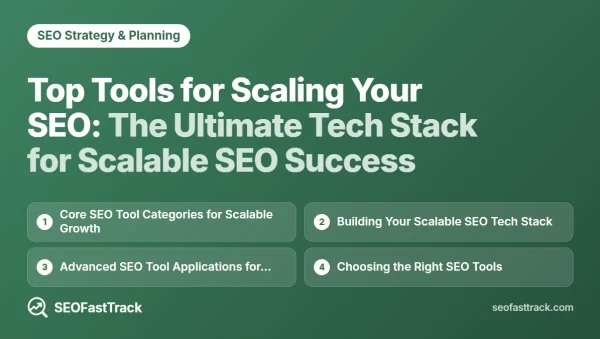
Scaling Your SEO Efforts: Move Beyond the Basics and Accelerate Growth
Scaling your SEO efforts is the critical shift from doing a few tasks sporadically to building a systematic, data-driven growth engine. For small business owners, bloggers, and digital marketers, this means moving beyond manual keyword checks and basic on-page tweaks. This subcategory within SEO Strategy & Planning is designed to help you prioritize high-impact actions, automate repetitive processes, and measure SEO performance like a professional, ensuring your resources are invested where they generate the most organic traffic and revenue. Expect actionable frameworks, not just theory.
🚀 Prioritizing High-Impact Pages for Maximum ROI
Not all pages are created equal. When scaling, you must identify which URLs drive the most conversions, traffic, or authority. This section focuses on using analytics and SEO tools to segment your content into tiers. You will learn to apply the 80/20 rule to your site, pinpointing the "money pages" that need immediate optimization and the "supporting pages" that strengthen topical relevance. By triaging your website this way, you avoid wasting time on low-value pages and instead concentrate efforts on opportunities with the highest potential for ranking gains.
Practical tactics include analyzing click-through rates (CTR), dwell time, and backlink profile strength per URL. You'll also explore how to use internal linking strategies to funnel authority toward your cornerstone content. The goal here is to build a repeatable process where every page has a clear purpose, and your SEO budget—whether time or money—is allocated based on data, not guesswork. This structured approach is essential for scaling without burning out your team or your budget.
🤖 Automation and Workflow for Routine SEO Tasks
Manual work does not scale. As your website grows, tasks like rank tracking, broken link checking, and meta description updates become overwhelming. This section introduces you to the essential SEO automation tools and workflows that take these chores off your plate. You’ll learn how to set up scheduled reports, use Google Search Console API integrations, and leverage AI-powered writing assistants for metadata. The focus is on creating a "set it and forget it" system for monitoring, freeing you to work on strategy and content creation.
We will also cover how to build custom dashboards using Google Looker Studio or similar tools to visualize your most important metrics in one place. You will learn the best practices for automating internal link suggestions and what to do when automation flags issues—avoiding both alert fatigue and missed opportunities. By mastering automation, you transform your SEO from a reactive firefighting exercise into a proactive, scalable operation that consistently delivers insights and improvements without needing to hire a full-time SEO team.
📊 Advanced KPI Tracking and Reporting That Drives Decisions
Vanity metrics are the enemy of scalability. Tracking only sessions or keyword rankings doesn’t tell you if your strategy is working. This section moves you beyond basic analytics into advanced KPI tracking, including organic conversions, assisted conversions, and customer lifetime value (LTV). You will learn to connect GA4 with your CRM or e-commerce platform to attribute revenue accurately to organic channels. Understanding these deep metrics allows you to secure more budget from stakeholders and justify your scaling efforts.
We’ll cover how to build a weekly or monthly SEO report that tells a story—highlighting wins, diagnosing losses, and recommending next steps based on concrete data. You’ll explore cohort analysis for new vs. returning organic visitors and how to measure the impact of content updates on search visibility. This data-driven mindset is what separates amateurs from professionals. Once you can prove ROI, you can confidently scale your content production, link building, and technical improvements, knowing each dollar spent has a measurable return.
🔄 Scaling Content Production Without Sacrificing Quality
Content volume needs guardrails. Scaling SEO often means publishing more content, but more low-quality pages will hurt your site. This section focuses on content frameworks that allow for rapid production while maintaining topical authority. You will learn how to build a content matrix that identifies gaps between your existing posts and your competitors. We’ll cover the "pillar-cluster" model and how to use AI to draft outlines and briefs, but keep human editing for accuracy and tone.
Also crucial is the process of refreshing old content. We’ll show you how to prioritize updates based on declining rankings and search demand shifts, making your existing assets work harder without creating new pages from scratch. You will also learn how to use content curation and strategic syndication to expand your reach without diluting your domain’s authority. This balanced approach ensures you grow your content library sustainably, keeping your site valuable to both users and search engines.
🛠️ Building a Scalable Link-Building Pipeline
Link building is often the bottleneck. Outreach becomes tedious when you do it manually one email at a time. This section teaches you how to build a semi-automated link acquisition system that identifies prospects, personalizes outreach, and tracks follow-ups without sounding robotic. You’ll learn about asset-based linking, where you create unique data or tools that naturally attract backlinks, reducing your need for cold outreach. For the outreach you do perform, we’ll cover best practices for broken link building and reclaiming unlinked brand mentions.
We’ll also discuss how to manage digital PR campaigns at scale, including building media lists and using HARO (Help a Reporter Out) to gain authoritative links. To measure success, you’ll learn to track link growth metrics and the quality of referring domains in your SEO tools, not just the total count. By systematizing your link building, you create a continuous flow of authority signals that prop up all your other scaling efforts, helping your pages rank faster and sustain positions longer.
Frequently Asked Questions
How often should I review my SEO strategy when scaling?
At least once a month for strategic adjustments, but you should review weekly analytics for immediate red flags. During scaling, re-evaluate your priorities every quarter based on new data. A monthly deep-dive into KPI trends helps you pivot quickly without overreacting to short-term noise.
Do I need specialized SEO software to scale my efforts?
While not strictly required, dedicated tools save hours and provide insights you can’t easily get manually. A good stack includes an all-in-one platform (like Ahrefs or SEMrush), GA4, and Google Search Console. Start with free tools first, then invest in paid software when your traffic volume justifies the cost.
Can automation hurt my SEO if not monitored properly?
Yes, unmonitored automation can lead to spammy practices like duplicate content or broken internal links if scripts fail. Always set up alerts for critical errors and review automated changes before they go live. Use automation for monitoring and reporting, but keep a human in the loop for strategic decisions.
What is the most important KPI to track when scaling?
Organic conversions—whether that’s a sale, lead, or signup—are the most important. Keyword rankings and traffic are secondary levers. If you’re getting traffic but no conversions, you need to focus on page experience and messaging rather than simply producing more content.
How does content scaling differ from simply publishing more often?
Scaling content means producing more high-quality, strategically targeted pages that support your cluster topics. Publishing more often without a plan leads to keyword cannibalization and diluted authority. Scaling requires a clear editorial calendar, keyword gap analysis, and periodic refreshes of existing posta to maintain relevance and performance.
Related topics