Video SEO Fundamentals & YouTube SEO
Read more about this topic
Unlock the full potential of your video content with proven Video SEO Fundamentals & YouTube SEO strategies—designed to help small business owners, bloggers, and digital marketers rank higher, attract targeted viewers, and turn searches into loyal customers. Master the art of optimizing titles, descriptions, and tags, while leveraging YouTube’s algorithm to boost visibility and engagement. From keyword research tailored for video to thumbnail psychology and retention tactics, these core principles transform raw footage into a powerful traffic magnet. Whether you’re new to video marketing or refining your approach, this guide delivers actionable steps to dominate search results, increase watch time, and grow your channel organically—no fluff, just results. Start ranking smarter today!
3 articles
Articles in Video SEO Fundamentals & YouTube SEO
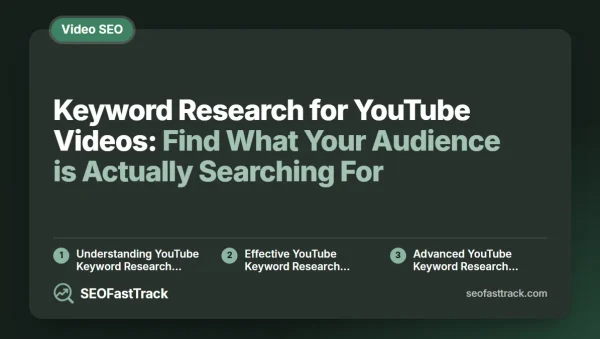
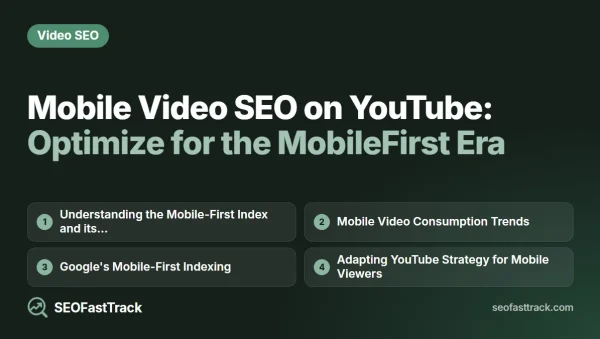
Mobile Video SEO on YouTube: Optimize for the MobileFirst Era
Tagging Your Way to the Top: YouTube Video Tags for Maximum SEO Impact
Master Video SEO Fundamentals & YouTube SEO
Welcome to your definitive guide on Video SEO Fundamentals & YouTube SEO—the engine behind getting your videos discovered, ranked, and watched. Whether you’re a small business owner, a blogger, or a digital marketer, this subcategory breaks down the core principles of optimizing video content for both Google and YouTube. Here, you’ll learn how to turn raw footage into a traffic-driving asset, using proven tactics for metadata, engagement, and ranking signals. Let’s unlock the full potential of your video strategy.
🎯 Why Video SEO Matters in 2024 & Beyond
Video content now dominates search results, with 91% of businesses using video as a marketing tool and Google prioritizing rich media in its SERPs. This section explains how optimizing your videos directly impacts visibility, dwell time, and conversion rates—far beyond just YouTube views. By understanding the algorithm’s preference for watch-time, click-through rate (CTR), and user satisfaction, you’ll align your content strategy with both user intent and platform goals.
You’ll also discover how video SEO complements your existing textual SEO efforts. Embedding optimized videos on your blog posts can boost your page’s ranking for target keywords, reduce bounce rates, and earn featured snippets. This isn’t just about being seen—it’s about being seen by the right audience at the right time, creating a seamless journey from search query to engaged viewer.
🔍 Core YouTube Ranking Factors Explained
YouTube’s algorithm is not magic—it’s based on specific, measurable signals. This section demystifies the top factors: watch time, session duration, CTR, and viewer retention. You’ll learn why your video’s first 15 seconds are critical, how to craft compelling thumbnails and titles that earn clicks, and why audience retention curves can make or break your ranking. We also cover the role of likes, comments, shares, and subscribes as social proof.
Beyond engagement, we dive into technical signals like video metadata (title, description, tags), closed captions, and video length optimization. You’ll understand how to structure your content to keep viewers hooked, use pattern interrupts to combat drop-off, and leverage end screens and cards to increase session time. Mastering these factors positions your channel for sustainable growth without resorting to black-hat tactics.
📝 Optimizing Video Metadata for Maximum Reach
Your video’s metadata is its passport to discovery. This section teaches you how to write keyword-rich titles that balance curiosity and clarity, craft comprehensive descriptions that both viewers and crawlers love, and select tags that mirror your primary and secondary keywords. You’ll learn to perform simple YouTube keyword research using autocomplete, “People Also Ask,” and competitor analysis to identify high-intent phrases.
We also cover the often-overlooked power of custom thumbnails and video transcripts. A high-contrast, emotion-evoking thumbnail can improve CTR by up to 150%, while a full transcript not only aids accessibility but also gives search engines additional text to index. By systematically optimizing these elements, you’ll create a cohesive package that signals relevance to both YouTube and Google’s crawlers.
⚡ Boosting Watch Time & Audience Retention
Watch time is the holy grail of YouTube SEO—the longer people watch, the more your video is recommended. This section provides actionable strategies to hook viewers instantly, maintain momentum, and reduce mid-video drop-offs. You’ll learn the power of storytelling, pattern interrupts, and chapter markers to keep viewers engaged. We also explore how to repurpose content into shorter clips to feed the Shorts algorithm, driving new viewers to your long-form videos.
Additionally, we discuss the psychological triggers that encourage viewers to finish the entire video. Techniques like the “open loop” (teasing what’s coming next) and creating a clear value promise early on are covered in detail. You’ll also see how updating your video’s description or title after publishing can give older content a second chance at ranking, keeping your library active and profitable.
📈 Integrating Video SEO with Your Broader Strategy
Video SEO doesn’t exist in a vacuum. This section shows you how to embed optimized videos into blog posts to boost your page’s authority, use schema markup (VideoObject) to earn rich snippets, and cross-promote across social media for amplified reach. You’ll learn how to build a video sitemap for your website, ensuring Google indexes your video content accurately. This holistic approach turns every video into a multi-channel asset.
We also cover measurement and iteration. Using YouTube Analytics, you’ll track impressions, CTR, and average view duration to identify what’s working and what needs adjustment. Regular audits of your video performance allow you to double down on successful formats and pivot away from underperformers. By connecting video SEO to your broader content calendar, you’ll create a flywheel effect that drives ongoing organic growth for your brand.
🧰 Essential Tools & Free Resources for Video SEO
You don’t need expensive software to start ranking your videos. This section introduces a curated set of free and low-cost tools for keyword research (TubeBuddy, VidIQ), thumbnail creation (Canva), caption generation (YouTube’s auto-captions, Otter.ai), and analytics (YouTube Studio). We explain how to use each tool step-by-step, from discovering low-competition keywords to setting up A/B tests for thumbnails. These resources level the playing field for small creators.
Additionally, we share time-saving workflows that combine these tools with your existing SEO processes. For example, you can recycle your blog’s meta descriptions into video descriptions, or use your existing keyword cluster to tag multiple videos. We also highlight the importance of community engagement—responding to comments and using community polls—as a ranking signal that costs nothing but yields high returns. With the right toolkit, you’ll implement video SEO efficiently and effectively.
Frequently Asked Questions
What is the biggest difference between YouTube SEO and traditional website SEO?
YouTube SEO focuses on search and discovery within the platform, prioritizing watch time, retention, and engagement signals directly from viewers. Traditional website SEO relies heavily on backlinks, page authority, and on-page textual content. However, both share a foundation in keyword targeting and user intent. For best results, treat them as complementary—use your website’s SEO research to inform your video topics and lyrics.
How long should my videos be to rank well on YouTube?
There’s no one-size-fits-all length. For beginner channels, aim for 6-8 minutes to prove viewer retention. As you grow, 10-15 minutes often perform better for ad revenue and topic depth. The key is watch time—a 5-minute video watched fully can outrank a 20-minute video with a 50% drop-off. Always match length to your content’s complexity and the promised value in your title.
Can I rank my videos on Google if they’re not on YouTube?
Yes, but it’s harder. Hosting videos on your own site requires proper schema markup (VideoObject) and a fast, mobile-friendly player to earn rich snippets. YouTube is a powerful domain in itself, and its pages often outrank standalone video pages for the same keyword. A hybrid strategy—embedding YouTube videos on your site while also creating a dedicated video landing page—maximizes visibility in both ecosystems.
What are the best free tools for finding video keywords?
YouTube’s own autocomplete is your first stop—type a seed keyword and note the suggestions. TubeBuddy’s free plan offers a keyword explorer with limited searches, while VidIQ shows search volume and competition scores directly. Google Trends helps you spot seasonality. For long-tail phrases, use Google’s “People Also Ask” and analyze competitor video titles and tags from top-ranking results.
How often should I post to see faster video SEO results?
Consistency beats frequency. A sustainable schedule of 1-2 high-quality videos per week is better than daily short clips that lack depth. The algorithm rewards freshness, but don’t sacrifice quality for volume. If you’re new, start with one video weekly for three months; monitor analytics, then adjust. Focus on improving retention each upload rather than chasing a posting quota.
Related topics