
Video Keyword Research and Content Strategy
Read more about this topic
Unlock the true potential of your video content with targeted research and a data-driven roadmap. Video Keyword Research and Content Strategy moves beyond simple tags, helping you discover the exact phrases your audience is searching for and turning those insights into a powerful action plan. By aligning your content with real user intent, you’ll boost visibility on search engines and drive higher engagement—without wasting time on guesswork. This approach ensures every video you create has a clear purpose, reaches the right viewers, and builds lasting momentum for your channel or brand.
1 article

Articles in Video Keyword Research and Content Strategy
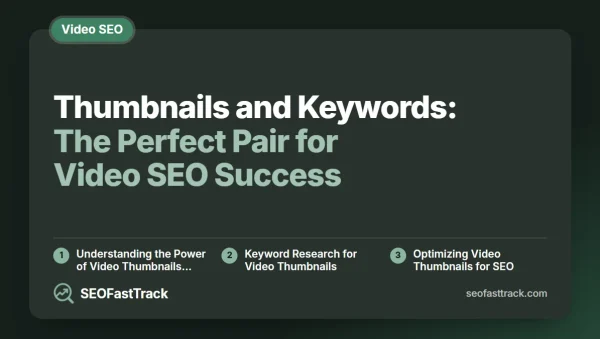
Video Keyword Research and Content Strategy: Unlock Your Video’s Search Potential
Welcome to the heart of successful Video SEO—where data meets creativity. This subcategory is your roadmap to discovering exactly what your audience is searching for, and then crafting video content that ranks, resonates, and converts. Whether you’re a small business owner, blogger, or digital marketer, mastering video keyword research is the first step to outperforming competitors on YouTube, Google, and social platforms. Here, we move beyond guesswork, using search volume, intent, and competition to build a content strategy that drives organic traffic and builds lasting authority.
🔍 Uncovering High-Value Video Keywords with YouTube Autocomplete
YouTube’s search bar is a goldmine of real user queries. When you type a seed term, the autocomplete suggestions reveal long-tail phrases your target audience is actively typing. These are often low-competition, high-intent keywords perfect for niche videos. Use tools like TubeBuddy or vidIQ to expand these suggestions into a full keyword matrix, filtering by relevance, search volume, and competition score.
Beyond autocomplete, analyze the “People Also Ask” and “Related Searches” sections on Google and YouTube. These surface semantic variations and question-based keywords that can inspire titles, descriptions, and even video scripts. For instance, if your niche is “home workouts,” autocomplete might reveal “home workouts without equipment for beginners” or “10-minute home workouts for weight loss.” Each of these becomes a distinct video opportunity with clear search intent, helping you target users at different stages of their journey—from discovery to decision.
📊 Analyzing Search Intent to Map Your Content Funnel
Search intent is the backbone of any content strategy. For video, this means categorizing keywords into informational (how-to, tutorials), transactional (reviews, comparisons, pricing), and navigational (brand-specific). A video optimized for “best DSLR for vlogging” targets transactional intent, while “how to start vlogging” captures informational queries. Use tools like Ahrefs or SEMrush to check the top-ranking videos for your keyword—if they are instructional, produce a step-by-step guide; if they are reviews, create a comparison test.
Aligning your video keywords with your content funnel ensures you don’t just get views, but you get the right viewers. For example, a small bakery might target “how to frost a cake” (top-funnel) to attract beginners, then follow up with “best buttercream frosting recipe” (middle-funnel), and finally “cake decorating tool kit review” (bottom-funnel). By mapping keywords to funnel stages, you can plan a video series that moves viewers from curiosity to purchase, maximizing your ROI and building a loyal subscriber base.
🛠️ Leveraging Competitor Video Analysis for Keyword Gaps
Your competitors are unwittingly providing a keyword strategy blueprint. Use tools like Keyword Surfer or YouTube Analytics to identify which videos in your niche are performing best. Look at their titles, descriptions, and tags—then reverse-engineer the keywords they target. However, the real power lies in finding keyword gaps: search terms they haven’t covered. For instance, if a competitor ranks for “vegan meal prep” but has no video on “vegan meal prep under 30 minutes,” that’s your opportunity.
Beyond mere gaps, analyze their engagement metrics (likes, comments, shares) to understand what content resonates emotionally. A video with high comments might indicate a controversial or highly helpful topic worth exploring deeper. You can then create a more polished, comprehensive version or approach it from a unique angle. This isn’t about copying—it’s about strategic differentiation that fills unmet demand, allowing you to rank for keywords your competition overlooks and dominate underserved segments of your niche.
🎬 Structuring Your Video Content Strategy for Maximum Retention
Once you have a keyword list, it’s time to build a content calendar that balances high-volume head terms with long-tail, low-competition queries. A topic cluster model works best: create a “pillar” video targeting a broad keyword (e.g., “YouTube SEO guide”), then produce supporting videos for related long-tail terms (e.g., “how to do keyword research for YouTube,” “best YouTube tags for ranking”). This creates internal linking opportunities and signals topical authority to search engines.
Additionally, structure each video script around the keyword’s intent. For informational keywords, use a clear “how-to” format with numbered steps, while for comparison keywords, use pros/cons tables. Embed your primary keyword in the first 30 seconds of the video—both in audio and on-screen text—because watch time and early engagement are critical ranking factors. Finally, repurpose each video into a blog post with embedded video, transcribe it for captions, and share clips on social platforms. This omnichannel approach amplifies your keyword reach and extends your content’s lifespan.
📈 Measuring and Iterating Your Video Keyword Strategy
No strategy is static. After publishing, monitor performance via YouTube Studio and Google Search Console. Track metrics like impressions, click-through rate (CTR), average view duration, and keyword rankings. If a video underperforms, review its title and thumbnail—often, the issue is low CTR, not the keyword itself. Use A/B testing for thumbnails and titles to optimize click-worthy elements while keeping keywords intact.
Iteration involves updating old videos with new keywords, refreshing descriptions, and adding chapters for better user experience. Also, analyze search queries that bring impressions but have low CTR—these indicate a mismatch between your content and the audience’s intent, prompting you to pivot. Over time, pattern your most successful videos by topic, format, and length, then double down on that style. Remember, video SEO is a living process; by continuously refining your keyword list and content strategy, you’ll stay ahead of algorithm changes and shifting viewer preferences, driving consistent organic growth.
Frequently Asked Questions
What’s the difference between video keyword research and traditional SEO keyword research?
Video keyword research focuses on search queries within platforms like YouTube and Google Video, often favoring long-tail, question-based phrases that reflect spoken language. Traditional SEO targets broader web queries with commercial intent. For video, you also consider engagement metrics (watch time, likes) and platform-specific features like tags, transcripts, and chapters, which affect ranking differently.
How many keywords should I target per video?
Focus on one primary keyword and 2-3 secondary, closely related keywords. Using too many dilutes relevance. The primary keyword should appear in the title, first 100 characters of the description, and the video file name. Secondary keywords can be woven into the script, tags, and chapters. Quality over quantity ensures your video matches a specific search intent, improving ranking and user satisfaction.
Can I use the same keyword for multiple videos?
Yes, but only if you differentiate the content—for example, a beginner’s guide vs. an advanced tutorial on the same topic. However, avoid creating near-identical videos targeting the same keyword, as this causes cannibalization where your videos compete against each other. Instead, use long-tail variations or focus on different subtopics to capture distinct intents.
How do I find video keywords with low competition?
Look for long-tail keywords (3-5 words) with moderate search volume but few high-authority videos ranking for them. Tools like TubeBuddy show a “competition score.” Also, search YouTube manually—if the top results have low view counts or poor production quality, it signals low competition. Forums like Reddit and Quora also reveal niche queries that Google’s autocomplete may miss.
How often should I update my video content strategy?
Review your keyword performance monthly and adjust your content calendar quarterly. Trends, seasonality, and algorithm updates make a rigid plan obsolete. Dedicate 20% of your strategy to testing new keywords and formats, while 80% focuses on proven performers. Regular audits of your video analytics will highlight which keywords maintain rankings, which drop, and which emerging topics you should capitalize on.
Related topics