SEO for Brand Building and Authority
Read more about this topic
SEO for Brand Building and Authority isn’t just about rankings—it’s about turning search visibility into trust, recognition, and market dominance. By strategically aligning your content, technical setup, and link profile with your brand’s core values, you can transform passive clicks into loyal customers who see you as the go-to expert. This approach goes beyond traditional traffic tactics, focusing on E-E-A-T (Experience, Expertise, Authoritativeness, Trustworthiness), consistent messaging, and thought leadership. Whether you’re a small business owner aiming to outshine local competitors or a blogger building a niche empire, mastering brand-driven SEO ensures that every search result reinforces your credibility. From optimizing your “About” page and leveraging structured data to earning high-authority backlinks and crafting pillar content that answers your audience’s deepest questions, this strategy turns Google into a reputation amplifier. As you build topical authority, you’ll notice organic growth in branded searches, higher click-through rates, and increased referral traffic—all because your brand becomes synonymous with the solutions your audience seeks.
3 articles

Articles in SEO for Brand Building and Authority
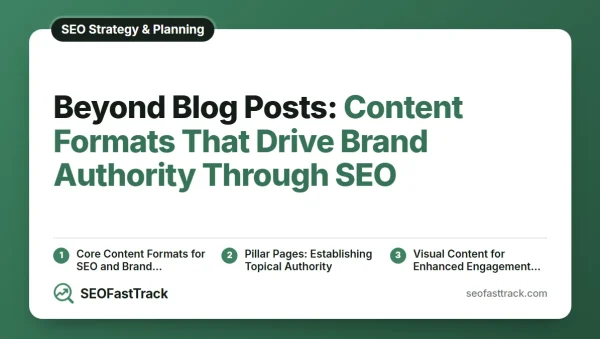
Beyond Blog Posts: Content Formats That Drive Brand Authority Through SEO
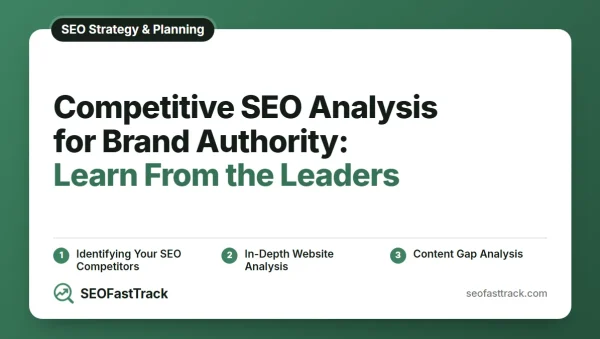
Competitive SEO Analysis for Brand Authority: Learn From the Leaders
SEO for Brand Building and Authority: Turn Search Visibility into Trust
In today’s crowded digital landscape, ranking on Google is only half the battle. True SEO success goes beyond clicks—it builds a brand people recognize, trust, and choose. This subcategory focuses on using search engine optimization as a strategic lever to establish your expertise, grow your digital footprint, and create lasting authority in your niche. Whether you’re a small business owner or a blogger, mastering this approach transforms your website from a passive brochure into a trusted resource that earns backlinks, referrals, and customer loyalty. Here, you’ll learn how to align your SEO efforts with your brand narrative, so every search result reinforces your credibility.
🔍 Crafting a Brand-First Keyword Strategy
Keyword research for brand building goes beyond transactional searches. You’ll discover how to identify “branded” and “problem-aware” keywords that align with your core values and expertise. Instead of chasing high-volume generic terms, you’ll learn to target queries that reflect your unique selling proposition—like “sustainable coffee brewing tips” for a eco-conscious roaster. This approach attracts an audience that resonates with your message, increasing engagement and conversion rates. By mapping keywords to your brand’s pillars, you create content that consistently reinforces your authority and makes your site the go-to answer in your niche.
Effective brand-first keyword planning also involves analyzing search intent to uncover gaps in competitors’ content. You’ll use tools like Google’s “People Also Ask” and AnswerThePublic to find long-tail phrases that signal curiosity or pain points. Then, you’ll weave these into your on-page copy, meta descriptions, and internal links. This not only boosts rankings for high-intent queries but also builds a semantic web of content that demonstrates deep knowledge. Over time, Google recognizes your site as an authoritative resource, prompting featured snippets and higher trust scores—critical for brand recognition.
🏆 E-E-A-T and Content That Commands Respect
Google’s E-E-A-T (Experience, Expertise, Authoritativeness, and Trustworthiness) framework is the backbone of brand authority. Here, you’ll learn how to structure your content to showcase first-hand experience—like case studies, behind-the-scenes photos, or customer testimonials—alongside well-researched data. You’ll also see how to build author bios that highlight credentials, and how to add schema markup for reviews and organizations. This signals to both users and search engines that your brand is a credible source, which is essential for high-stakes topics like health, finance, or legal advice. By consistently delivering accurate, well-cited content, you earn backlinks naturally and boost your domain authority.
Beyond technical signals, E-E-A-T demands a human-centric editorial process. You’ll implement content audits that verify every claim, update stale statistics, and remove outdated advice. A transparent “About Us” page, clear contact information, and a privacy policy also bolster trust. Additionally, you’ll encourage user-generated content—like comments and forum posts—that reflects real-world engagement. This feedback loop shows Google that your brand actively listens and improves, further cementing your authority. The result: your brand becomes synonymous with quality, making it easier to rank for competitive keywords over time.
🔗 Digital PR and Link-Building for Brand Visibility
Link-building for brand building isn’t about buying links—it’s about earning mentions that spread brand awareness. This section covers digital PR strategies, such as creating original research, industry surveys, or interactive tools that journalists and bloggers want to reference. You’ll learn to pitch your data to relevant media outlets, using personalized outreach that emphasizes your brand’s unique angle. For example, a small fitness brand might publish a “State of Home Workouts” report, gaining links from health blogs and local news. Each high-quality backlink not only boosts your domain authority but also exposes your brand to new, relevant audiences.
You’ll also explore broken link-building, resource page outreach, and guest blogging on niche sites—but with a twist: every piece must align with your brand voice and provide genuine value. Instead of generic “write for us” tactics, you’ll create co-branded content that highlights your expertise. Additionally, you’ll monitor your brand mentions (both linked and unlinked) to request links when appropriate. This proactive approach builds a strong backlink profile that signals trust to Google, while simultaneously increasing direct traffic and brand searches—a powerful signal of genuine authority.
📊 Measuring Brand Authority: KPIs Beyond Rankings
Standard SEO metrics like keyword rank aren’t enough for brand building. Here, you’ll learn to track brand-specific KPIs, including branded search volume (how often people search for your company name), direct traffic, and share of voice in industry discussions. You’ll set up Google Analytics events to measure conversion paths that start from organic discovery but lead to brand interactions, such as newsletter signups or social follows. Additionally, use tools like SEMrush or Ahrefs to track your domain authority growth and the number of referring domains from high-authority sites. These metrics reveal whether your SEO efforts are truly expanding your brand’s reach or just your page views.
You’ll also implement qualitative tracking, such as sentiment analysis of social mentions and customer reviews. Positive sentiment linked to organic search traffic indicates that your content is shaping positive perceptions. Set up custom dashboards that combine SEO data with brand health indicators, like repeat visitor rate and time on site for branded queries. This holistic view helps you pivot quickly if a campaign isn’t resonating. Over time, you’ll see that brand authority isn’t just about ranking—it’s about becoming the default answer in your niche, leading to sustainable growth and higher customer lifetime value.
🛡️ Overcoming Authority Pitfalls: Common Mistakes to Avoid
Many brands fail in authority building by mimicking competitors, stuffing keywords, or neglecting user intent. This section highlights pitfalls like creating thin “pillar pages” without real depth, ignoring local SEO if you’re a brick-and-mortar brand, or outsourcing content to low-quality writers. You’ll learn to avoid “spammy” link exchanges and paid guest posts that violate Google’s guidelines. Instead, focus on sustainable tactics like creating a knowledge hub, featuring expert interviews, and actively responding to comments—all of which build genuine rapport. Additionally, avoid over-optimizing anchor text, which can trigger manual penalties and harm your reputation.
Another common mistake is failing to update existing content, causing your authority to decline as information becomes outdated. You’ll develop a content refresh calendar and use 301 redirects wisely when consolidating pages. Also, don’t ignore your brand’s visual identity—consistent logos, colors, and tone across your site and off-page profiles reinforce trust. Whether it’s fixing broken internal links or improving mobile speed, every technical detail contributes to a professional, authoritative image. By sidestepping these errors, you ensure that your hard-earned authority isn’t squandered by avoidable missteps, keeping your brand on the fast track to top positions.
Frequently Asked Questions
How is SEO for brand building different from regular SEO?
Regular SEO focuses on ranking for keywords, while brand-building SEO prioritizes trust, recognition, and expertise. It involves branded search growth, earning quality backlinks, and creating content that reflects your unique voice. Success is measured not just by rankings, but by increased direct traffic, brand mentions, and customer loyalty.
How long does it take to see brand authority results?
Brand authority builds gradually—typically 6 to 12 months for noticeable improvements. Consistency is key. Publishing high-quality content, earning authoritative links, and maintaining on-page trust signals (like clear contact info) will accelerate the process. Patience matters, as search engines need time to reassess your site’s credibility.
Do I need a blog to build brand authority?
Yes, a regularly updated blog is highly effective. It allows you to showcase expertise, answer customer questions, and capture long-tail keywords. However, quality outweighs quantity. A single well-researched, actionable article can outperform dozens of thin posts, so focus on depth and relevance to your niche.
Can local businesses benefit from brand-building SEO?
Absolutely. Local SEO—like optimizing for “near me” searches, managing Google Business Profile, and earning local reviews—builds authority in your community. Combine that with content that highlights your local involvement, customer stories, and partnerships. This dual approach makes your brand a trusted neighborhood presence, driving foot traffic and loyalty.
What’s the most important success metric for brand authority?
Branded search volume is the strongest indicator. When people search for your company name (or variations) after reading your content, it proves you’ve built recall. Additionally, track the growth of referring domains from high-authority sites—this signals that others view you as a credible source, which directly boosts your rankings.
Related topics