
Avoiding Black-Hat and Gray-Hat SEO Tactics
Read more about this topic
Discover which black-hat and gray-hat SEO tactics could silently sabotage your rankings—and learn how to stay firmly on the ethical side of search engine guidelines. This essential guide from SEOFastTrack dives into the risky world of cloaking, keyword stuffing, link farms, PBNs, doorway pages, and automated spam, explaining exactly why these shortcuts are a ticking time bomb for your website’s long-term visibility. Instead of gambling with algorithm penalties, manual actions, or a complete deindexation, we show you how to build a sustainable, white-hat SEO strategy that earns trust with both users and search engines. You’ll uncover practical red flags to audit your own backlink profile, content, and technical setup, plus actionable alternatives that prioritize genuine value, transparency, and measurable growth. Whether you’re just starting out or recovering from a past penalty, this resource helps you align with Google’s core guidelines—boosting your credibility, protecting your domain authority, and paving the way for consistent, quality organic traffic that lasts.
1 article

Articles in Avoiding Black-Hat and Gray-Hat SEO Tactics
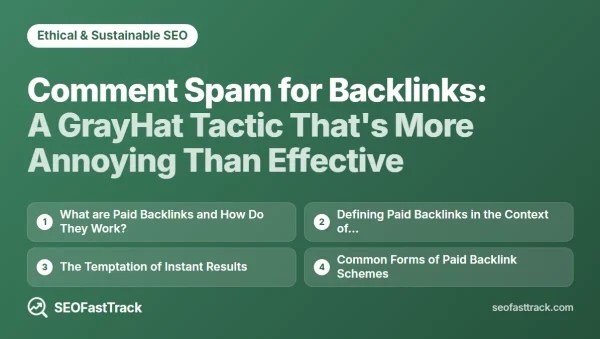
Why Ethical SEO Matters More Than Ever
In the ever-evolving landscape of search engine optimization, taking shortcuts through black-hat or gray-hat tactics might seem tempting for quick wins. However, these risky strategies often lead to severe penalties, loss of organic traffic, and irreparable damage to your brand’s credibility. This subcategory of SEOFastTrack dives deep into recognizing, understanding, and avoiding these deceptive practices. By embracing ethical and sustainable SEO, you build a resilient online presence that thrives on algorithm updates and earns genuine user trust.
🚫 Recognizing Black-Hat Tactics: Cloaking, Keyword Stuffing & Hidden Text
Black-hat SEO encompasses techniques that violate search engine guidelines to manipulate rankings. Common examples include cloaking, where you show different content to search engines than users, and keyword stuffing, which involves unnaturally overloading a page with keywords. Hidden text or links, often using white text on white backgrounds, is another classic trick. These methods may produce short-term boosts, but search engines like Google deploy sophisticated detection systems. Once caught, your site can be de-indexed entirely, making recovery a lengthy and challenging ordeal.
For small business owners and bloggers, the allure of these tactics often stems from frustration with slow organic growth. However, the consequences far outweigh any fleeting gains. Learning to identify these red flags is your first line of defense. By focusing on user experience and genuine value, you avoid the trap of technical penalties. This section provides actionable checklists to audit your own site and ensure every page aligns with Google’s Webmaster Guidelines, safeguarding your future traffic and revenue streams.
🕶️ Understanding Gray-Hat SEO: The Ethical Gray Area
Gray-hat SEO sits uncomfortably between white-hat and black-hat practices, often exploiting ambiguities in search engine policies. Examples include buying expired domains for their link equity, participating in link exchanges, or using automated tools to generate user-generated content. While not explicitly banned, these tactics can be considered risky and unsustainable. Search algorithms are constantly being refined to detect such behavior, often resulting in sudden ranking drops. For digital marketers, understanding this gray zone is crucial to avoid inadvertently crossing the line.
This section clarifies the common gray-hat techniques and explains why they are becoming less effective. Search engines prioritize signals of genuine authority and trust, so shortcuts that manipulate metrics are increasingly ignored or penalized. Instead, we emphasize building E-E-A-T (Experience, Expertise, Authoritativeness, Trustworthiness) through authentic content and natural backlinks. By adopting a long-term perspective, you can achieve stable, compounding growth without the constant fear of algorithmic penalties. Practical examples illustrate how seemingly harmless choices, like private blog networks, can backfire spectacularly.
🛡️ Building a Sustainable Link-Building Strategy Without Risks
Link building remains a cornerstone of SEO, but the approach determines your safety. Black-hat methods involve purchasing links from low-quality directories, participating in link farms, or using automated comment spam. Gray-hat approaches might include guest posting solely for backlinks with thin content. Both are dangerous. A sustainable strategy focuses on earning links through digital PR, original research, and resourceful content. Collaborating with reputable industry influencers and local business partnerships naturally attracts high-quality referring domains.
This section details step-by-step processes for creating linkable assets like infographics, comprehensive guides, and original statistics. We also cover how to perform a toxic backlink audit using tools like Ahrefs or SEMrush to disavow harmful links. For small businesses, local citations and community engagement provide excellent, safe opportunities. By prioritizing relevance and authority over quantity, you build a robust link profile that withstands algorithm updates. This approach not only improves rankings but also drives targeted referral traffic, ensuring your marketing efforts yield long-term dividends.
📝 Content Creation That Aligns with Google’s Quality Raters
Black-hat content tactics include spinning articles, duplicating content across domains, or using AI-generated text without added value. Gray-hat variants might involve content-cloaking or doorway pages targeting specific queries. These practices fail to satisfy users and often trigger manual actions. Ethical content marketing focuses on creating comprehensive, original, and helpful material that answers real user questions. Following Google’s helpful content guidelines, you should write for people first, not search engines, by ensuring each piece has a clear purpose and unique insight.
This section guides you through developing a content strategy that integrates keyword research with genuine user intent. We recommend using topic clusters, internal linking, and structured data to enhance discoverability. You’ll learn how to perform content refreshes rather than duplicating posts, and how to leverage user feedback to improve quality. Emphasizing readability, visual elements, and actionable advice builds a loyal audience that naturally shares and links to your site. This ethical approach reduces bounce rates and increases dwell time, further signaling value to search engines, creating a positive feedback loop for sustainable growth.
📊 Monitoring Algorithm Updates with an Ethics-First Mindset
Search engines frequently update their algorithms to improve results and combat manipulation. While black-hat practitioners panic and scramble to adapt, ethical SEOs view updates as opportunities to reinforce best practices. Staying informed about core updates, like Google’s spam policies and page experience signals, is essential. This section provides a practical framework for monitoring your site’s health through Google Search Console alerts and ranking fluctuations. By maintaining a transparent methodology, you can quickly diagnose whether a change is due to global updates or your own missteps.
We emphasize the importance of regular technical audits, mobile-friendliness, and site speed—all elements that align with ethical standards and user satisfaction. Rather than chasing speculative ranking factors, you focus on measurable outcomes like conversion rates and user engagement. This proactive stance helps you avoid the reactive, panic-driven changes characteristic of gray-hat tactics. By building a brand that thrives on trust and quality, you future-proof your SEO efforts against unpredictable shifts. This section also covers how to recover gracefully from minor penalties by adhering strictly to white-hat principles, ensuring your long-term success.
Frequently Asked Questions
What is the difference between black-hat and gray-hat SEO?
Black-hat SEO strictly violates search engine guidelines, like cloaking or keyword stuffing, and can lead to instant penalties. Gray-hat SEO exploits ambiguous loopholes, like buying expired domains, which are not explicitly banned but still risky and unsustainable. Both can harm your site’s credibility and long-term rankings.
Can I recover from a Google penalty caused by black-hat tactics?
Yes, but it requires a detailed cleanup. You must remove or disavow toxic backlinks, correct on-page violations, and submit a reconsideration request through Google Search Console. Recovery can take weeks or months, and your site’s history will still influence future trust signals, so acting ethically afterward is critical.
Are guest posts considered gray-hat SEO?
Not inherently. Safe guest posting involves publishing valuable, original content on reputable, relevant sites with transparent authorship. It becomes gray-hat when you solely use it for links, purchase placements on low-quality sites, or submit duplicate/spun posts. Always prioritize the audience’s value over link acquisition.
How can I audit my site for hidden or black-hat practices?
Start by manually reviewing your pages for hidden text, cloaked redirects, or unnatural keyword density. Use tools like Screaming Frog or Sitebulb to detect suspicious elements. Review your backlink profile in Google Search Console and identify low-quality referring domains using tools like Moz or Ahrefs, then build a disavow file if needed.
What is the most sustainable SEO strategy for 2025 and beyond?
Focus on user intent, high-quality original content, and natural link earning through digital PR and community engagement. Optimize technical performance, mobile experience, and core web vitals. Regularly update your content and maintain genuine relationships with your audience, ensuring your site becomes an authoritative resource that warrants top rankings without shortcuts.
Related topics