E-commerce Link Building Strategies
Read more about this topic
Unlock the power of strategic link building for online stores with proven techniques that boost domain authority, drive targeted referral traffic, and accelerate product page rankings. From digital PR and guest blogging to competitor backlink analysis and broken link outreach, these tactics are tailored for e-commerce sites—turning every link into a measurable sales opportunity. Whether you’re scaling a Shopify store or a marketplace, mastering these methods helps you outrank rivals and build sustainable organic growth without relying on paid ads. Stay ahead with actionable, white-hat approaches that align with Google’s latest algorithm updates.
2 articles
Articles in E-commerce Link Building Strategies
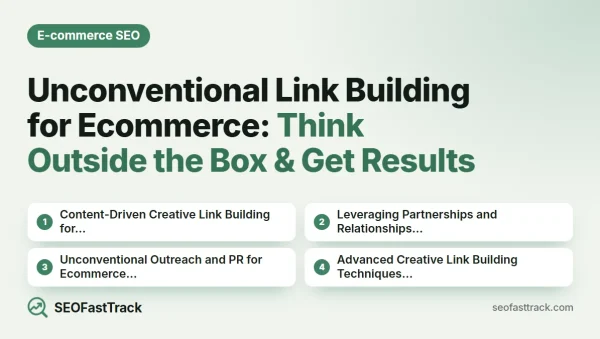
Unconventional Link Building for Ecommerce: Think Outside the Box & Get Results
E-commerce Link Building Strategies: Boost Your Online Store’s Authority
For e-commerce websites, link building is not just about quantity—it’s about earning high-quality, relevant backlinks that drive referral traffic and improve domain authority. Unlike blogs, product pages and category pages need a tailored approach that balances commercial intent with editorial value. In this subcategory, we dive deep into proven tactics, from digital PR to resource page link acquisition, specifically designed for online retailers. Whether you’re a small Shopify store or a large marketplace, these strategies will help you outrank competitors and build a sustainable link profile that fuels organic growth.
🔗 Leverage Product Data for Digital PR & Journalist Outreach
One of the most effective e-commerce link building strategies is transforming your product data into newsworthy stories. Journalists and bloggers constantly seek unique statistics, industry trends, and consumer behavior insights. By analyzing your sales data, shipping patterns, or customer reviews, you can create compelling infographics, reports, or interactive tools that attract natural backlinks. For example, a fashion retailer could publish a “Most Popular Colors by State” map based on purchase data. This approach positions your brand as an authoritative source, earning links from major media outlets without paid placements.
To execute this, build a dedicated digital PR outreach list of relevant journalists and industry influencers. Personalize your pitch by highlighting the unique angle of your data, and offer exclusive access or quotes. Ensure your data visuals are embeddable and include a clear attribution link back to your site. Over time, this strategy not only generates high-domain-authority links but also drives significant referral traffic. Track your results using tools like Ahrefs or Semrush to identify which data-driven content earns the most links, then replicate that success with seasonal or new product launches.
🛒 Skyscraper Technique for Product & Category Pages
The skyscraper technique, popularized by Brian Dean, works exceptionally well for e-commerce when adapted to commercial pages. Instead of just improving blog content, apply it to your best-selling product descriptions and category landing pages. Identify competitor pages that rank well for high-intent keywords but have thin content or poor user experience. Then, create a superior version with more detailed specifications, comparison tables, video tutorials, and user-generated reviews. This added value makes your page the “best resource” on the internet, encouraging other site owners to link to it naturally.
After upgrading your page, reach out to websites that linked to the original weak content. Show them why your page is better and suggest they replace the link. Use tools like BuzzSumo to find who has shared or linked to competitor product pages. This method is highly scalable—focus on your top 10-20 revenue-generating products first. Additionally, add schema markup for rich snippets (e.g., ratings, price, availability) to make your page visually stand out in search results, increasing the likelihood of earning editorial links from roundup posts and review sites.
🏆 Build a Resource Hub for Your Niche Community
E-commerce stores often overlook the power of creating a non-commercial resource hub that serves their target audience. Instead of linking directly to product pages, create a “Best [Product Type] Guide,” “Size Chart Database,” or “Industry Glossary” that is genuinely helpful. For example, a pet supplies store could build a comprehensive “Dog Breed Weight Chart” that veterinarians and pet bloggers will link to. These resources earn passive backlinks from forums, schools, and niche communities because they solve a recurring problem. Over time, this hub becomes a magnet for natural links, boosting your domain authority for both informational and transactional keywords.
To ensure success, make your resource hub visually appealing and mobile-friendly. Update it regularly with fresh data or seasonal trends, and promote it via social media, email newsletters, and relevant subreddits. Reach out to complementary businesses (e.g., a pet insurance company) and offer to exchange resource links. Use internal linking from your product pages to this hub to pass link equity. Remember, the goal is not to sell directly from the hub but to establish expertise and earn trust, which indirectly improves your rankings and conversion rates on commercial pages.
🤝 Partner with Micro-Influencers & Niche Bloggers for Product Reviews
While mega-influencers are expensive, micro-influencers (typically 5k-50k followers) offer higher engagement rates and more authentic backlinks. For e-commerce, product review partnerships with niche bloggers are a staple link building strategy. Instead of paying for sponsored posts that are often nofollow, offer free products or exclusive discounts in exchange for an honest review that includes a dofollow link to your product or category page. Choose influencers whose audience aligns perfectly with your buyer persona—this ensures referral traffic is highly targeted and likely to convert.
Create a structured influencer outreach program using platforms like Upfluence or Heepsy. Personalize each pitch by mentioning their recent content and explaining why your product fits their niche. Provide them with high-resolution images, unique discount codes, and clear guidelines on how to link back to your site. To maximize SEO value, ask them to use descriptive anchor text like “best [product] for [use case].” Monitor the performance of each influencer by tracking clicks, conversions, and the quality of the backlinks earned. Over time, you can build long-term relationships that yield recurring links and social proof.
📊 Unlinked Brand Mentions: Reclaim Lost Link Opportunities
Many e-commerce brands get mentioned online without a link—for instance, in product roundups, news articles, or social media posts. These unlinked brand mentions are low-hanging fruit for link building. Use tools like Google Alerts, Ahrefs Content Explorer, or Mention.com to monitor when your brand or product name appears without a hyperlink. Then, reach out to the site owner with a polite email, thanking them for the mention and requesting that they add a link to your relevant page. This tactic often has high success rates because the site owner already knows your brand and the change is simple.
To scale this, prioritize mentions from high-authority domains (DA 50+) and those with potential referral traffic. Use a template email that is friendly, specific, and includes the exact URL you want linked. Track your response rate and follow up once after a week if no reply. Additionally, check for mentions of your competitors’ brands—if they are mentioned without a link, you can sometimes ask to be added as an alternative resource. This strategy not only improves your link profile but also cleans up your brand’s citation consistency across the web.
Frequently Asked Questions
How long does it take to see results from e-commerce link building?
Typically, you’ll see initial improvements in keyword rankings within 2-4 months, but significant domain authority gains can take 6-12 months. The timeline depends on the quality of links, your site’s current authority, and competitor strength. Focus on consistent outreach and measuring referral traffic, not just rankings.
Do product page links matter more than blog links for e-commerce?
Yes, links to product and category pages directly influence rankings for commercial keywords with high purchase intent. However, blog links help build overall domain authority, which indirectly boosts product page rankings. A balanced strategy targeting both types of pages is ideal.
Is buying backlinks safe for e-commerce stores?
No, buying links violates Google’s spam policies and risks manual penalties or algorithm devaluation. It’s better to invest in earning links through digital PR, guest posting, or partnerships. Paid placements should always use nofollow attributes to stay compliant.
Can I use competitor backlink analysis for e-commerce link building?
Absolutely. Use tools like Semrush or Ahrefs to analyze your competitors’ backlink profiles. Identify high-quality sites that link to them but not to you, then prioritize those for outreach. Also, find broken links on their pages and offer your product page as a replacement.
What anchor text should I use for e-commerce links?
Use a mix of branded anchors (“[Your Brand]”), partial-match (“best running shoes”), and naked URLs. Avoid over-optimized exact-match anchors, which look unnatural. For product pages, use descriptive commercial phrases, but keep the distribution varied across your backlink profile.
Related topics