
Email Marketing Tools to Amplify Your SEO Efforts
Read more about this topic
Unlock the full potential of your search rankings by integrating email marketing tools into your SEO strategy—a powerful duo that drives repeat traffic, boosts engagement, and signals authority to search engines. Discover how automated campaigns, personalized newsletters, and smart segmentation can amplify your content’s reach, nurture leads, and earn valuable backlinks. From syncing email analytics with keyword performance to using subscriber insights for content optimization, these tools are your secret weapon for sustainable organic growth. Start leveraging email to fuel your SEO success today and watch your visibility soar.
1 article

Articles in Email Marketing Tools to Amplify Your SEO Efforts
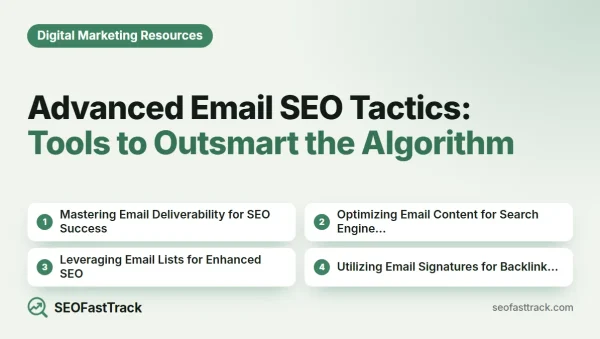
Email Marketing Tools to Amplify Your SEO Efforts
Email marketing and SEO may seem like separate channels, but when paired strategically, they create a powerful growth loop. On SEOFastTrack, we explore how the right email tools can boost content distribution, increase dwell time, and drive repeat traffic — all signals that search engines love. This subcategory dives into software that bridges your subscriber list and your search rankings, helping you turn every campaign into an SEO asset.
📧 Why Email Marketing Directly Impacts Search Rankings
Email campaigns indirectly influence SEO by generating consistent, quality traffic to your posts. When subscribers click through, read, and share your content, Google sees increased engagement metrics like lower bounce rates and longer session durations. This behavioral data helps your pages rank higher for target keywords. Moreover, email lets you repurpose cornerstone content, pushing it to a warm audience that is more likely to link back or mention your site on social platforms, amplifying your backlink profile naturally.
Using email tools to segment your list based on interests also improves relevance. Sending tailor-made content to niche groups increases click-through rates, which signals to search engines that your site provides value. Tools that automate A/B testing for subject lines or content snippets help you refine messages that drive more visits to your SEO-optimized pages. Ultimately, email acts as a reliable traffic booster, making every SEO effort measurably more effective.
🔧 Key Features to Look for in SEO-Friendly Email Platforms
Not all email tools are created equal for SEO synergy. Prioritize platforms with built-in analytics that show which links from your emails are clicked most, so you know what content resonates. Look for integration with Google Analytics and Search Console — this lets you trace email-driven visits back to keyword performance. Automation features are critical for sending sequence emails that guide subscribers to your latest blog posts or pillar pages, keeping your content fresh and frequently visited.
Also, consider tools with spam-score checkers and deliverability optimization. High bounce rates from poorly authenticated emails can hurt your sender reputation, which indirectly impacts your domain authority if links are shared. Choose platforms that offer custom tracking domains, as this preserves your brand’s link equity and avoids dilution. Additionally, template libraries with SEO-friendly formatting (clean HTML, fast-loading images) ensure your emails don’t slow down user experience, reinforcing positive behavioral signals for search rankings.
📈 Top Email Tools That Drive Organic Traffic Growth
Our curated list includes tools like Mailchimp for its robust segmentation and Google Analytics integration, making it easy to see how email campaigns affect organic search. ConvertKit excels for bloggers with its visual automation, allowing you to send content sequences that systematically deepen engagement with SEO posts. ActiveCampaign offers advanced CRM mapping, helping you score leads based on email interactions and then retarget them with SEO-rich content — a tactic that boosts page views per session.
For budget-conscious users, Brevo (formerly Sendinblue) provides transactional email features that can notify subscribers about updated content, while MailerLite includes landing page builders that align with your SEO keywords. Each tool supports custom UTM parameters, so you can track exactly which emails bring in organic search converts. By comparing these platforms side-by-side, you can select one that matches your technical skill level and growth stage without sacrificing search-friendly features.
🎯 How to Automate Content Distribution for Better SEO
Automation turns your email list into a self-sustaining traffic source. Set up RSS-to-email campaigns that automatically send new blog posts to subscribers — this ensures every piece of content gets immediate pageviews, giving search engines a “freshness” signal. Use tagging to notify subscribers when you update an old post with new data; revisiting existing content signals authority to Google. Combine these with evergreen email sequences that promote your cornerstone articles on a schedule, spacing out links to avoid fatigue.
Behavior-triggered emails are game-changers. For example, if a subscriber clicks a link about “link building,” send them a follow-up with advanced guides on that topic the next day. This increases engagement time on your site, which reduces bounce rates and improves ranking for those specific terms. Automate win-back campaigns for inactive subscribers — offer them an exclusive SEO checklist or downloadable resource, which brings them back and re-engages them with your top-ranking pages, reinforcing their legitimacy in Google’s eyes.
📊 Measuring Email’s Impact on SEO Performance
To prove email’s value to your SEO, track metrics that connect both channels. Use UTM parameters like utm_source=email and utm_medium=newsletter to see which campaigns lead to organic conversions later. Monitor the “Assisted Conversions” report in Google Analytics — this shows how email interacts with organic search in multi-touch paths. Also, watch your Search Console data for pages that receive spikes in impressions after an email blast; that’s a sign Google noticed increased dwell time and re-ranked your URL.
Set up a simple dashboard comparing click-through rates from email with keyword rankings for the same content pieces. If a post jumps from page 2 to page 1 shortly after a campaign, that’s direct correlation. Additionally, track how many new backlinks you acquire from email recipients — use tools like Ahrefs to compare link growth before and after targeted sends. This quantitative approach helps you justify email tool investments and refine your content calendar to sync with SEO wins.
🚀 Pro Tips for Integrating Email and Keyword Strategy
Integrate keyword research into your email editorial calendar. Before writing a newsletter, check which keywords your site already ranks for on page 2 — then craft content that targets those terms and promote it via email. This pushes borderline pages up. Use subject lines that include primary keywords naturally, as this can improve email open rates and reinforce topical relevance with your audience. Also, create “keyword-rich” lead magnets (e.g., an SEO audit checklist) that attract subscribers searching for those exact terms, growing a list of prospects already aligned with your content.
Leverage email polls and surveys to uncover new content gaps. Ask subscribers what they struggle with most — their answers become blog posts targeting low-competition keywords. Send exclusive previews of upcoming content to your most engaged readers; their early shares and comments create initial social signals that aid indexing. Finally, use email to drive comments and internal linking — prompt subscribers to visit related posts, increasing your site’s interlinking structure, which helps search engine crawlers understand your site’s hierarchy and authority.
Frequently Asked Questions
Can email marketing directly improve my Google rankings?
Yes, indirectly. Email brings more traffic, reduces bounce rates, and increases dwell time — all behavioral signals Google considers. It also helps with content distribution, leading to more shares and backlinks, which actively boost rankings. While email itself isn’t a direct ranking factor, its influence on user engagement and link building makes it a powerful SEO amplifier.
What’s the best email tool for beginners to boost SEO?
MailerLite is excellent for beginners due to its intuitive interface, free plan, and built-in landing page builder. It supports custom UTM tracking and RSS-to-email automation, so you can instantly send new blog posts to subscribers. Its analytics clearly show campaign clicks, helping you link those visits to your search performance without needing advanced skills.
How often should I send emails to support content SEO?
Frequency depends on your content volume, but consistency beats volume. Aim for 1-2 times per week if you publish new posts weekly. This keeps your site receiving fresh traffic without overwhelming subscribers. If you update older pages, send a monthly “content refresh” email. Always include clear CTAs to your most important SEO targets — quality over quantity.
Should I use keywords in my email subject lines?
Yes, but strategically. Include one primary keyword naturally — it can increase open rates because the subject aligns with subscriber interests. However, avoid stuffing. The goal is relevance, not ranking emails. Use your keyword as a hook that matches the content’s search intent. A/B test subject lines with and without keywords to see which drives more clicks to your site.
Can email segmentation help with local SEO?
Absolutely. Segment by geographic location and send local-specific content, such as local case studies or city-based tips. This drives visits to your location-specific pages, increasing their engagement metrics. Those pages often rank for “near me” queries. Use email tools’ location-based tags to automate this, making it easy to push localized SEO content to the right audience.
Related topics