Zero-Click Searches and SEO Strategy
Read more about this topic
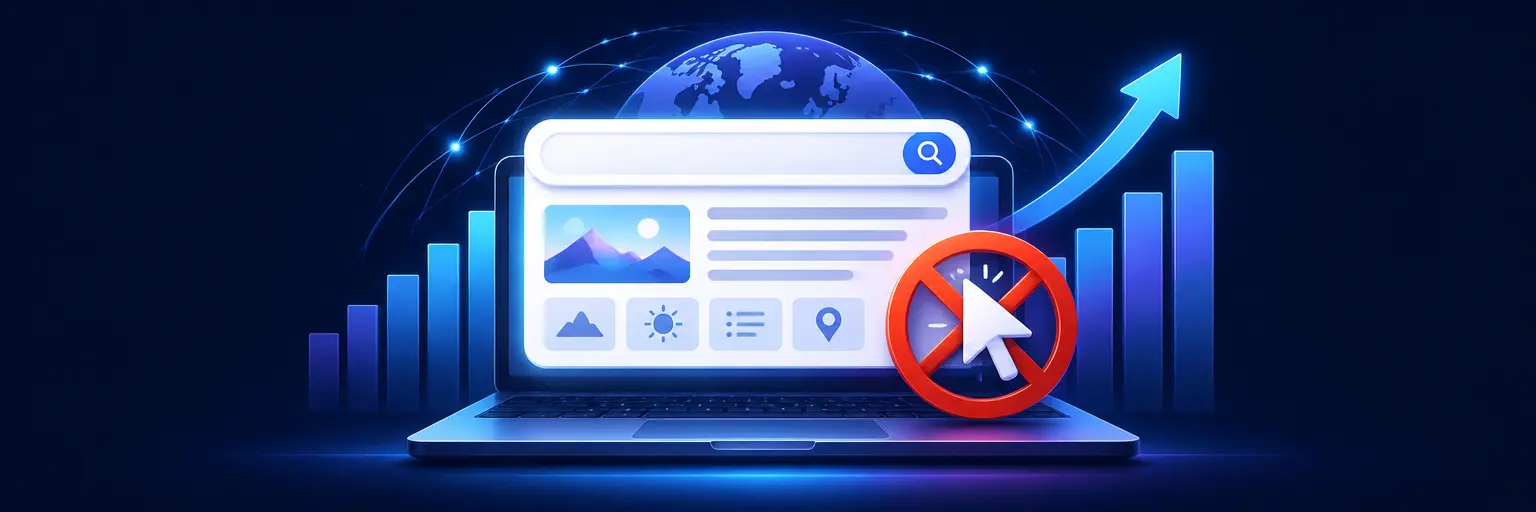
Zero-click searches are redefining how users find answers—and how brands win visibility. With more queries than ever resolving directly on the search results page, traditional click-through strategies are no longer enough. This shift demands a proactive SEO strategy that optimizes for featured snippets, knowledge panels, and voice search to capture attention even when users don’t click. By focusing on structured data, concise answer formats, and local SEO signals, you can dominate these zero-click moments, build brand authority, and turn passive searches into future conversions. Adapting now ensures your content stays visible, relevant, and impactful in an increasingly answer-driven digital landscape—where impressions matter as much as clicks.
2 articles
Articles in Zero-Click Searches and SEO Strategy
MobileFirst and ZeroClick: Mastering OntheGo Search Optimization
Zero-Click Searches and SEO Strategy: Turning Answer Boxes into Brand Visibility
In today’s search landscape, nearly 60% of Google searches end without a single click. Zero-click searches—where users get answers directly on the search results page via featured snippets, knowledge panels, or "People Also Ask" boxes—are reshaping how small businesses and bloggers must approach SEO. This subcategory of SEO Trends on SEOFastTrack focuses on practical strategies to capture these highly visible positions, build authority, and still drive valuable traffic to your site. You will learn how to optimize for answer engines, measure the true impact of zero-click visibility, and convert impressions into brand trust, even when the click doesn’t happen. Let’s dive into the tactics that keep you ahead of this growing trend.
🔍 Understanding the Zero-Click Landscape and Its Impact on Your Traffic
Zero-click searches occur when a user’s query is fully answered on the search engine results page (SERP), eliminating the need to visit any website. This phenomenon has surged due to Google’s push for instant answers, especially on mobile devices. For small business owners and bloggers, this means your organic click-through rates (CTR) may decline, but your brand impressions and authority signals can skyrocket if you appear in these premium positions. The key is not to panic about lost clicks but to reposition your SEO strategy around visibility, not just traffic.
To thrive in this environment, you must first understand which queries in your niche trigger zero-click results. Use tools like Google Search Console to analyze queries where you rank on the first page but receive low CTR—these are prime candidates for zero-click features. Additionally, monitor featured snippet occupancy and "People Also Ask" appearances. By identifying these patterns, you can tailor your content to answer questions directly, concisely, and in a format that Google loves to display. This proactive approach turns a potential traffic loss into a powerful brand visibility opportunity.
📝 Crafting Content That Wins Featured Snippets and Answer Boxes
Winning a featured snippet is the holy grail of zero-click SEO because it places your content at the very top of the SERP, above all organic results. To secure this position, your content must be structured in a way that directly answers a query with a clear, concise explanation. Start by targeting question-based keywords (who, what, when, where, why, how) and provide a direct answer within the first 40–60 words of your article. Use bullet points, numbered lists, or a single explanatory paragraph, as these formats are frequently pulled for snippets.
Another critical tactic is to optimize for "People Also Ask" (PAA) boxes, which often appear alongside featured snippets. Answer related questions within your content by creating dedicated subheadings that mirror PAA queries. For example, if your main topic is "local SEO," include an H3 like "What is local SEO?" and provide a crisp answer. Additionally, ensure your content has a clear schema markup (e.g., FAQPage or HowTo) to help search engines understand your content’s structure. By consistently producing snippet-optimized content, you can own multiple zero-click positions while building topical authority in your niche.
📊 Measuring Zero-Click Success Beyond Clicks and Sessions
Traditional SEO metrics like clicks and sessions will undervalue your efforts in a zero-click world. Instead, you must shift your focus to impressions, average position, and brand search volume. Use Google Search Console to track how often your pages appear for zero-click features, and compare that to your organic clicks. A high impression count with low CTR on specific keywords indicates you’re entering the zero-click zone—this is actually a positive sign for brand visibility, as long as you also see an uptick in branded searches or direct traffic.
Beyond analytics, consider indirect conversions. For instance, a user might see your answer in a snippet, not click, but later type your brand name into Google after being impressed by your expertise. To capture this, track changes in direct traffic and branded keyword searches over time. Additionally, use heatmaps and user feedback to see if on-page elements are encouraging further exploration once users do land on your site. By redefining success around visibility and engagement, you can justify your SEO efforts even when clicks are low.
🔧 Technical SEO Tweaks to Maximize Zero-Click Real Estate
Behind every successful zero-click strategy lies solid technical SEO. Start by ensuring your site is mobile-friendly and loads quickly, as Google prioritizes mobile-first indexing. Next, implement structured data markup—such as FAQPage, QAPage, and Article schema—to increase your chances of appearing in rich results that drive zero-click visibility. Use tools like Google’s Rich Results Test to validate your markup and fix any errors promptly.
Another critical technical aspect is optimizing your meta descriptions and title tags for featured snippet potential, since these elements are often used to generate the snippet preview. Keep titles under 60 characters and descriptions under 155 characters, and include the exact query you’re targeting. Additionally, create a clear heading hierarchy (H1 to H4) that logically breaks down your content, making it easier for Google to extract relevant sections. Regularly audit your site for crawl errors and ensure your XML sitemap is up to date, as a healthy site architecture supports better indexing and snippet acquisition.
🎯 Local and Voice Search: The Hidden Zero-Click Opportunities
Local SEO is profoundly affected by zero-click searches, as users often ask for "near me" queries and receive a map pack or business details without visiting websites. To capitalize on this, optimize your Google Business Profile with accurate NAP (name, address, phone), high-quality photos, and regular posts. Encourage customer reviews, as they influence local pack visibility. Additionally, structure your content to answer local intent questions, like "best coffee in [city]" with a direct recommendation plus a list format, which Google frequently features.
Voice search is another zero-click frontier, with smart speakers and assistants delivering single spoken answers. Optimize for natural language and long-tail conversational keywords. For example, instead of "SEO strategy," target "How do I improve my SEO strategy for a small business?" Provide concise, friendly answers in your content, and use FAQ schema to help voice assistants pull your content. Also, ensure your site’s local hours and directions are easily accessible for voice-driven clicks. By aligning with voice and local search behaviors, you position your brand for the next wave of zero-click queries.
Frequently Asked Questions
What is a zero-click search and why should I care?
A zero-click search is when a user gets the answer directly on the search results page without clicking any website. You should care because it reduces your organic traffic, but it also offers massive brand exposure. By optimizing for these features, you can appear in front of thousands of users, building trust and authority even if they don’t visit your site immediately.
How do I find zero-click keywords for my niche?
Use Google Search Console to filter for queries where you rank in positions 1-5 but have a low CTR (below 3-4%). Also, manually search your target terms and look for featured snippets, "People Also Ask" boxes, or knowledge panels. Tools like Ahrefs and Semrush have dedicated features to identify snippet opportunities. Focus on question-based and long-tail keywords.
Will zero-click searches hurt my SEO rankings?
No, zero-click searches don’t hurt your rankings. In fact, appearing in a featured snippet often boosts your overall authority and can lead to higher rankings for other related keywords. Google sees your content as valuable if it’s selected for a zero-click feature. Just ensure your content remains high-quality, as poor snippet behavior could lead to manual penalties.
Can a small business benefit from zero-click SEO without a big budget?
Absolutely. Zero-click SEO primarily requires content optimization and technical fixes, not paid advertising. Focus on creating concise, helpful answers to common customer questions, implementing schema markup, and keeping your site fast and mobile-friendly. These are low-cost, high-impact strategies that can level the playing field against larger competitors.
What is the best way to track zero-click performance?
Replace clicks with impressions and average position in your reporting. In Google Search Console, watch for keywords with high impressions but very low CTR; these are your zero-click candidates. Additionally, track branded search volume and direct traffic as indirect indicators. Set up custom reports that combine these metrics to get a fuller picture of your digital visibility.
Related topics