The Evolution of Featured Snippets and Knowledge Graphs
Read more about this topic
Discover how Google’s featured snippets and knowledge graphs are reshaping search visibility—and why staying ahead of these AI-driven SEO trends is critical for your rankings. From zero-click searches to voice assistants, these dynamic answer formats now dominate the SERPs, demanding a fresh approach to content optimization. Learn how to structure your pages for snippet eligibility, leverage structured data for knowledge panel enrichment, and adapt to evolving user intent. Whether you’re a small business owner or seasoned digital marketer, this guide unpacks the algorithmic shifts that turn ordinary queries into instant answers—and how you can win that prime real estate. Stay competitive by mastering these search feature evolutions before your competitors do.
2 articles
Articles in The Evolution of Featured Snippets and Knowledge Graphs
Featured Snippets vs. Knowledge Graphs: What's the Difference and Why It Matters for SEO
Understanding the Evolution of Featured Snippets and Knowledge Graphs
In the fast-paced world of search engine optimization (SEO), staying ahead of algorithm updates is critical. The evolution of featured snippets and knowledge graphs represents a fundamental shift from simple keyword matching to intent-driven, entity-based search results. For small business owners, bloggers, and digital marketers on SEOFastTrack, mastering these elements means capturing zero-click searches, boosting brand visibility, and building authority. This subcategory explores how Google’s structured data and semantic search have transformed the SERP landscape, offering actionable strategies to optimize your content for these premium placements.
🔍 From Keyword Strings to Semantic Entities
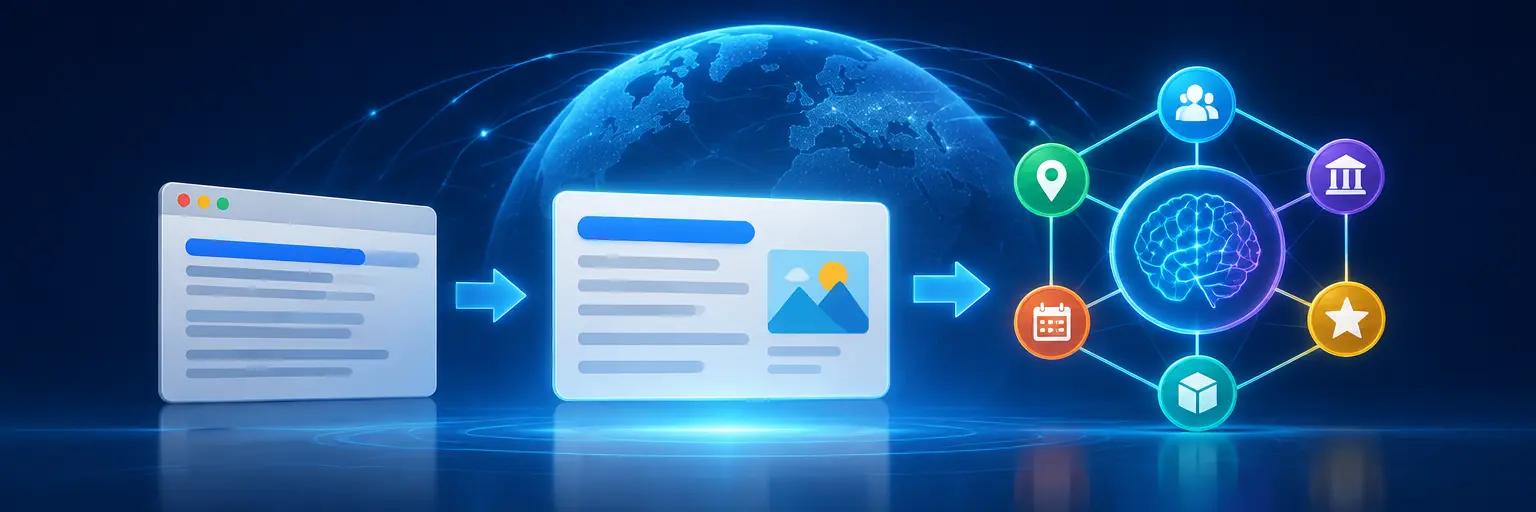
Historically, search engines relied on exact-match keywords to rank pages. However, the introduction of the Knowledge Graph in 2012 and the refinement of featured snippets changed the game. Google began interpreting queries as entities—people, places, things—and their relationships, rather than mere text strings. This shift means that optimizing for featured snippets requires content that answers specific questions concisely, often in paragraph, list, or table format. By understanding this evolution, you can structure your on-page SEO to align with how Google understands context, relevance, and user intent.
For bloggers and digital marketers, this evolution emphasizes the importance of creating topical authority clusters. Instead of targeting isolated keywords, you should build content that covers a subject comprehensively, using schema markup and natural language. Knowledge graphs pull data from reliable sources to answer queries directly, so your site must be seen as an authoritative entity. By consistently publishing high-quality, entity-rich content, you increase the chances of being featured in the rich results that dominate modern SERPs.
📊 How Featured Snippets Have Reshaped CTR and Traffic
Featured snippets—often called “position zero”—have dramatically altered click-through rates (CTR). When Google displays a snippet at the top of the SERP, users often get their answer without clicking through, leading to a drop in organic traffic for the hosting page. However, for SEO professionals, this is a double-edged sword. On one hand, losing clicks can hurt metrics; on the other hand, being featured builds immense brand credibility and visibility. Our guide explains how to target snippet opportunities by analyzing question-based queries, competitor gaps, and content formats that Google prefers, such as step-by-step instructions or definition paragraphs.
To adapt, you must monitor your analytics for zero-click searches and adjust your content strategy accordingly. Optimizing for featured snippets involves using clear headings, concise answers (under 50 words), and structured data like FAQPage or HowTo schema. Knowledge graphs, meanwhile, often pull from Wikidata or your business’s Google Business Profile, so ensuring your NAP (Name, Address, Phone) and entity information are consistent across the web is vital. This subcategory provides practical checklists to help you reclaim visibility even in a zero-click environment.
🧠 The Role of Knowledge Graphs in Local and Brand SEO
For small business owners, the Knowledge Graph is a game-changer for local search visibility. When users search for a business or brand, Google’s Knowledge Panel displays key information—address, hours, reviews, and even social profiles—directly from the graph. This feature is powered by structured data and authoritative sources like Wikipedia, Crunchbase, and your own website. To influence your Knowledge Panel, you must build a consistent digital footprint, leverage schema markup (especially Organization and LocalBusiness), and earn high-quality backlinks from relevant directories. This evolution means that local SEO is no longer just about maps; it’s about curating your online entity.
Digital marketers can also leverage knowledge graphs for brand monitoring. By understanding how Google connects your brand to various entities—products, founders, or related topics—you can craft content that reinforces your desired semantic associations. For example, publishing guest posts on authoritative sites can strengthen your entity’s relationship with specific keywords. This subcategory offers step-by-step audits to check your current entity presence and adjust your link-building strategy to improve your chances of appearing in knowledge panels, thereby increasing trust and referral traffic.
⚙️ Technical SEO Fundamentals for Rich Results
The evolution toward featured snippets and knowledge graphs isn’t just about content; it’s also deeply technical. Implementing structured data (schema.org vocabulary) is no longer optional for competitive niches. Our guides break down JSON-LD implementation for Article, Recipe, Product, and FAQPage schemas, which are proven to increase eligibility for rich results. Additionally, you’ll learn how to use Google’s Rich Results Test and Search Console to monitor your structured data performance, fix errors, and identify new opportunities for snippet optimization. This hands-on approach ensures that your technical SEO foundation supports your content goals.
Moreover, page speed and mobile-friendliness play a subtle but critical role, as Google’s algorithms prioritize fast, accessible pages for snippet selection. We also cover how to optimize your content’s readability with clear headings, bullets, and tables, which are more likely to be pulled as featured snippets. By combining technical best practices with semantic content, you position your site to be a preferred answer source. Remember that knowledge graphs rely on trusted data, so maintaining an SSL certificate, clear site structure, and secure user experience enhances your credibility in Google’s eyes.
🔄 Adapting to Continuous Algorithm Updates
Search algorithms are never static; they evolve to better understand human intent and deliver more personalized results. Recent updates, such as the Helpful Content Update and the shift to AI-generated overviews, have further blurred the line between traditional featured snippets and AI-driven answers. This subcategory helps you stay agile by explaining the latest trends, such as how Google’s Search Generative Experience (SGE) impacts snippet selection and what you can do to remain visible. You’ll learn to create content that appeals to both human readers and machine learning models by prioritizing originality, expertise, and thoroughness.
For SEOFastTrack readers, adapting means continuous testing and learning. We provide case studies and before-and-after examples of websites that successfully pivoted their strategies to capture new snippet formats. You’ll also discover tools like SEMrush and Ahrefs that track keyword difficulty and snippet opportunities, allowing you to target low-competition queries with high answer potential. By embracing the evolution, you future-proof your digital marketing efforts, ensuring that your small business or blog remains relevant amid constant algorithm changes.
Frequently Asked Questions
What is the difference between a featured snippet and a knowledge graph?
A featured snippet is a selected answer from a webpage displayed at the top of Google’s search results, often in a paragraph, list, or table. A knowledge graph, on the other hand, is a database of entities and their relationships that powers the Knowledge Panel on the right side of SERPs, drawing from sources like Wikipedia and your site’s structured data.
How can I optimize my content to appear in featured snippets?
Target question-based keywords and provide concise, direct answers within the first 50-100 words of your content. Use clear headings (H2/H3) with matching query phrasing, format answers as bulleted lists or numbered steps, and include schema markup like FAQPage. Regularly test your pages with Google’s Rich Results Test.
Do featured snippets hurt my organic click-through rate?
Yes, featured snippets can lower your CTR because users often find the answer directly on the SERP, leading to fewer clicks. However, the loss in clicks is often offset by increased brand awareness and trust. To mitigate this, focus on snippet survival by offering additional value that encourages users to explore your site further.
How can small businesses appear in Google’s Knowledge Panel?
Ensure your business information is consistent across all online directories, especially Google Business Profile. Implement LocalBusiness schema markup on your website, create a Wikipedia page if eligible, and build high-quality backlinks from authoritative local sources. This helps Google verify your entity and display your panel.
Will AI-generated search results replace featured snippets?
AI-driven search features, like Google’s SGE, are already supplementing snippets by generating conversational answers. However, snippets are unlikely to disappear entirely, as they are faster and more authoritative. To prepare, focus on producing original, well-structured content that answers questions clearly, as this remains valuable for both AI and traditional snippets.
Related topics