
Mobile SEO Trends
Read more about this topic
Stay ahead in 2025 with the latest mobile SEO trends—where speed, user experience, and voice search dominate rankings. As Google shifts to mobile-first indexing, your site’s Core Web Vitals, responsive design, and zero-click search visibility are non-negotiable for small business owners, bloggers, and digital marketers alike. This fast-paced landscape demands adaptive strategies: from AI-driven personalization and 5G-ready content to local mobile search and app-indexing. Discover how to optimize for thumb-friendly navigation, leverage accelerated mobile pages (AMP) without compromising rich media, and capture voice assistant queries with conversational long-tail keywords. Whether you’re battling high bounce rates on smartphones or aiming for featured snippets in mobile SERPs, these actionable insights will future-proof your traffic. Don’t let slow load times or intrusive interstitials hurt your Google rankings—master the art of mobile-first content, structured data, and seamless cross-device tracking today. Stay relevant, boost engagement, and turn mobile visits into loyal conversions with cutting-edge tactics that align with evolving algorithm updates.
1 article

Articles in Mobile SEO Trends
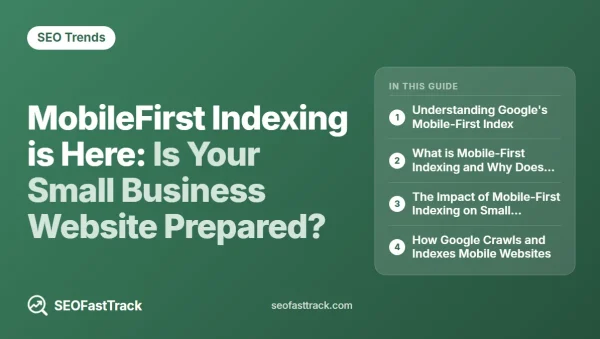
Stay Ahead with the Latest Mobile SEO Trends
Mobile search now accounts for over 60% of all organic traffic, and Google’s mobile-first indexing means your site’s mobile experience directly impacts rankings. This subcategory dives deep into the most impactful mobile SEO trends shaping 2025 and beyond, from Core Web Vitals to voice search and app indexing. Whether you run a local business or a global blog, understanding these shifts helps you capture high-intent mobile users and outperform competitors who ignore mobile optimization.
📱 Core Web Vitals & Page Experience Signals
Google’s Page Experience update prioritizes Largest Contentful Paint (LCP), First Input Delay (FID), and Cumulative Layout Shift (CLS) as ranking factors, especially on mobile. These metrics measure loading speed, interactivity, and visual stability. To rank, your mobile pages must load in under 2.5 seconds, respond instantly to taps, and avoid sudden layout jumps that frustrate users.
Expect actionable checklists for auditing your site with tools like PageSpeed Insights and Search Console. You’ll learn to compress images, leverage browser caching, and implement lazy loading. Also explore how to reduce JavaScript execution time and use responsive design to ensure your page experience signals stay green across device sizes.
🔍 Voice Search Optimization for Mobile Users
With the rise of digital assistants like Siri, Google Assistant, and Alexa, voice search is a dominant mobile trend. Users speak in natural, conversational phrases—often asking full questions. Optimizing for these long-tail keywords and FAQ-style content helps you appear in featured snippets and position zero results, which are prime real estate for mobile voice responses.
This section covers how to structure your content using schema markup (especially FAQPage and Speakable), target local intent phrases like “near me,” and improve page speed since voice results prioritize ultra-fast pages. You’ll also explore the growing use of multilingual voice queries and how to adapt your keyword research for spoken language patterns.
⚡ Accelerated Mobile Pages (AMP) & Progressive Web Apps (PWA)
While AMP is no longer required for Top Stories, it remains a lightweight alternative for publishers seeking instant-loading pages. PWAs, on the other hand, combine the best of web and native apps—offering offline access, push notifications, and app-like navigation. Both trends reduce bounce rates and increase dwell time, which are positive signals for mobile rankings.
Here, you’ll compare when to choose AMP versus PWA based on your site’s goals, technical resources, and content type. Learn to implement service workers, add to home screen prompts, and ensure your PWA is indexable by Google. We also cover real-world case studies showing how small businesses boosted conversions by adopting these mobile-first technologies.
📊 Mobile-First Indexing & Crawling Best Practices
Google now crawls and indexes the mobile version of your website first, not the desktop one. This means missing mobile content, unoptimized meta tags, or blocked resources can hurt your rankings across all devices. Your mobile site must contain the same high-quality content, internal links, and structured data as your desktop version.
This segment provides a migration checklist: ensure your mobile site is accessible to Googlebot, avoid separate mobile URLs unless absolutely necessary, and test your robots.txt and canonical tags. You’ll also learn how to audit your server logs for mobile crawling issues and use the Mobile-Friendly Test tool to diagnose problems. We emphasize the importance of maintaining parity in headings, images, and videos.
📈 Local SEO & Mobile Search Behavior
Mobile users often search for nearby businesses, with 76% visiting a store within 24 hours of a local search. Trends like click-to-call buttons, driving directions, and “open now” badges are critical. Google Business Profile optimization, local schema, and consistent NAP citations become even more powerful when paired with mobile-specific user intent.
You’ll discover how to optimize for map pack rankings, gather and manage reviews, and use geofencing or location-based content. We also discuss the impact of proximity and distance on rankings, plus how to create mobile-optimized landing pages for each location. Expect strategies to improve your local pack visibility and capture high-intent foot traffic.
🚀 AI-Powered Mobile Search & Future Trends
Google’s Search Generative Experience (SGE) and AI-driven algorithms increasingly personalize mobile search results based on context, past behavior, and device type. Trends like visual search, AR overlays, and predictive search suggestions are transforming how users find content. Staying ahead means prioritizing conversational content, high-quality images, and structured data that AI models can understand.
This section explores how to optimize for AI overviews by answering questions clearly and succinctly. You’ll learn to use video snippets and image alt text to capture visual search traffic. We also cover emerging trends like 5G-enabled faster rendering and edge computing, which will further reduce latency. Practical tips on building an AI-ready content strategy will future-proof your mobile SEO efforts.
Frequently Asked Questions
Is mobile SEO different from regular SEO?
Yes, mobile SEO emphasizes page speed, responsive design, and mobile-specific user intent like voice and local search. Regular SEO covers broader factors, but mobile-first indexing means Google primarily uses your mobile version for rankings. Prioritizing mobile UX is no longer optional—it’s the baseline for all search performance.
Why are Core Web Vitals critical for mobile rankings?
Core Web Vitals directly measure user experience on mobile devices, and Google uses them as ranking signals. Fast loading, instant interactivity, and visual stability reduce bounce rates and increase user satisfaction. Sites failing these metrics often rank below competitors even with strong content, so optimizing them is essential for SEO success.
Does AMP still matter for mobile SEO in 2025?
AMP is no longer a ranking boost, but it remains useful for publishers needing ultra-fast article delivery, especially in Google News. However, PWAs and standard responsive pages with good Core Web Vitals can perform equally well. Focus on speed and user experience rather than the technology itself; AMP is optional, not mandatory.
How do I optimize for voice search on mobile?
Target long-tail, conversational phrases and question-based keywords. Structure content with clear headings and FAQ schema to increase chances of appearing in featured snippets. Also, ensure your site loads quickly and is mobile-friendly, as voice assistants prioritize fast, authoritative answers. Local businesses should include “near me” and address details.
What should I prioritize first for mobile SEO improvements?
Start with Core Web Vitals, particularly LCP and CLS, as they directly impact user experience and rankings. Then, ensure mobile-first indexing parity—all content, images, and structured data must be visible on mobile. Finally, implement schema markup and optimize for local and voice search to capture high-intent traffic. Use Google’s free tools to measure progress consistently.
Related topics