

AI-Powered SEO Content Creation Tools Review
Read more about this topic
Discover how AI-powered SEO content creation tools are transforming the way small business owners, bloggers, and digital marketers craft search-optimized articles, product descriptions, and blog posts. In this review hub, we dive deep into the latest software that blends natural language processing with keyword intelligence — helping you produce high-ranking content faster, without sacrificing readability or brand voice. From automated topic clustering to real-time SERP analysis, these solutions streamline your workflow, reduce research time, and boost organic visibility. Whether you’re a solo blogger or a growing marketing team, our hands-on evaluations cover pricing, output quality, plagiarism checks, and integration with popular CMS platforms. We also compare AI-human workflows, highlighting tools that excel at generating long-form drafts, meta descriptions, and content briefs aligned with Google’s E-E-A-T guidelines. Get ready to turn your content strategy into a competitive advantage — explore honest, data-backed reviews, practical use cases, and expert tips to choose the right AI companion for your SEO goals.
2 articles

Articles in AI-Powered SEO Content Creation Tools Review
Jasper vs. Copy.ai vs. Rytr: AI Content Tool Battle for SEO Supremacy
AI-Powered SEO Content Creation Tools Review: Your Path to Smarter, Faster Rankings
Welcome to SEOFastTrack’s dedicated review hub for AI-powered SEO content creation tools. In today’s competitive digital landscape, producing high-quality, SEO-optimized content at scale is no longer optional—it’s essential. These tools use machine learning, natural language processing, and data-driven insights to help you draft articles, optimize meta tags, generate briefs, and even predict ranking performance. Our in-depth reviews break down the strengths, weaknesses, pricing, and real-world usability of every major platform, so you can confidently choose the right software for your niche, budget, and workflow.
🤖 Top AI Writing Assistants for SEO-First Bloggers
When you need to overcome writer’s block or speed up draft creation, AI writing assistants like Jasper, Copy.ai, and Writesonic lead the pack. Our reviews examine how each tool handles long-form content, tone adjustments, and keyword integration. You’ll learn which platforms offer built-in SEO modes that suggest target keywords, readability scores, and internal linking opportunities—all while producing human-like prose that passes plagiarism checks and engages readers. We also test their ability to generate outlines, headings, and product descriptions that align with search intent.
Key expectation: Expect real-world performance comparisons, including output quality, speed, and SEO optimization features. We highlight which tools are best for beginners versus advanced marketers, and which ones integrate seamlessly with WordPress, Surfer SEO, or Clearscope. Our verdicts help you avoid costly subscriptions and pick the assistant that actually improves your organic traffic, not just your word count.
📈 Content Optimization & Brief Generation Tools
Tools like Surfer SEO, Frase, and MarketMuse aren’t writers—they’re your editorial strategists. They analyze top-ranking pages, extract semantic keywords, and generate comprehensive content briefs that guide writers toward higher rankings. Our reviews focus on how accurately these tools predict SERP features, suggest word counts, and evaluate content relevance in real time. You’ll see side-by-side tests for niche topics, measuring whether their recommendations lead to tangible ranking improvements within 30 days.
Key expectation: We break down pricing tiers, content limits, and learning curves. Expect practical tips on combining these tools with your existing writing workflow, plus honest assessments of where they fall short—like over-optimization risks or generic briefs for ultra-specific queries. Ideal for SEO managers who want data-backed edits, not guesswork.
⚡ AI-Driven Meta Data & Schema Markup Generators
Meta titles, descriptions, and structured data are often overlooked but critical for click-through rates and rich snippets. AI-powered generators like NeuroFlash or SEO.ai can create countless title variations, A/B test emotional triggers, and auto-generate JSON-LD schema for articles, FAQs, and products. Our reviews evaluate accuracy, customization options, and how well they align with Google’s latest guidelines. You’ll learn which tools provide dynamic insertion of primary keywords without sounding spammy.
Key expectation: We test these generators across different industries—from e-commerce to health blogs—to ensure they produce compelling, clickable metadata that stands out in search results. We also cover integration with popular CMS platforms and whether they help reduce manual coding for schema. Perfect for non-technical users who want rich snippets without hiring a developer.
🔍 AI-Powered Content Auditing & Gap Analysis Tools
Before creating new content, smarter marketers audit what they already have. Tools like Clearscope, or the AI audit features inside SEMrush and Ahrefs, can flag outdated info, missing keywords, and content gaps versus competitors. Our reviews dive into how these platforms use AI to suggest topic clusters, internal link opportunities, and refresh strategies that boost existing pages. We measure their accuracy in detecting thin content, duplicate text, and keyword cannibalization.
Key expectation: Expect concrete examples of how auditing tools turned underperforming posts into top-ranking resources. We also examine collaboration features for teams, export capabilities, and whether they automate the entire content refresh workflow. This is your go-to section for maximizing ROI from your existing blog library without starting from scratch.
💡 Workflow Automation & AI Content Scheduling Tools
Creating great content is one thing; publishing it consistently is another. AI scheduling tools like Notion AI, ContentBot, or StoryChief help you automate topic ideation, draft generation, and social media distribution. Our reviews explore how these platforms use predictive analytics to suggest optimal posting times, repurpose long-form content into micro-posts, and maintain a consistent brand voice across channels. You’ll see how they integrate with WordPress, Google Search Console, and social schedulers.
Key expectation: We evaluate ease of setup, template libraries, and error rates in automated workflows. Discover which tools offer a seamless “topic to published post” pipeline, reducing your production time by up to 70%. We also highlight potential pitfalls, like over-automation leading to robotic content, and how to maintain human oversight for quality control.
Frequently Asked Questions
What is the best AI-powered SEO content creation tool for beginners?
For absolute beginners, Jasper with its Surfer SEO integration is the easiest to use. It offers guided workflows, pre-built templates, and a friendly dashboard that suggests keywords and content length. On a budget, Copy.ai provides a solid free tier. Both require minimal technical knowledge, making them ideal for solo bloggers and small business owners.
Can AI content rank well on Google without manual editing?
Yes, but only if you provide detailed briefs and audit the output. Tools like MarketMuse produce data-driven drafts that can rank for low-competition keywords after minor fixes. For competitive niches, always fact-check statistics, add unique insights, and adjust tone. Google rewards helpful content, so human editing adds significant value.
Are AI content tools worth the monthly subscription cost?
Absolutely, if you publish regularly. A $29–$99 monthly tool can replace hours of research and drafting time. For businesses producing over 10 articles a month, the ROI is clear. However, choose a tool that fits your niche—local SEO tools may need location-specific training, while B2B SaaS requires more technical vocabulary.
Do these tools harm website performance or page speed?
No, because they generate static text that you paste into your CMS. However, some cloud-based editors are heavy, so always export drafts to a plain-text editor before publishing. Our reviews note any performance bloat, ensuring your site remains fast and user-friendly.
How do I measure the success of an AI content tool?
Track organic impressions, keyword rankings, and on-page engagement metrics like time on page and bounce rate. Use Google Search Console to monitor clicks for the specific pages created with the tool. A good tool should show measurable ranking improvements within 60–90 days for targeted keywords.
Related topics
Keep exploring
 Best Rank Tracker Tools for Accurate SERP Monitoring2
 Best SEO Software Suites for Enterprises2
 Google Search Console: Mastering the Free SEO Powerhouse3
 In-depth Review: Ahrefs for Advanced SEO Analysis3
 Link Building Tools Comparison: Free vs. Paid Options2
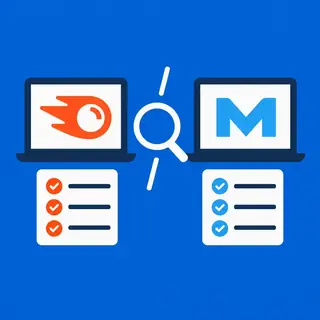 SEMrush vs. Moz Pro: Feature Comparison & Pricing3