
Google Algorithm Updates
Stay ahead of the ever-changing search landscape with our in-depth coverage of Google Algorithm Updates. From the latest Core Updates and BERT to the evolution of Core Web Vitals and the rise of AI and Machine Learning, we break down complex ranking factors into actionable insights. Whether you’re recovering from a penalty, adapting your SEO strategy, or analyzing update patterns to predict what’s next, this is your go-to resource. Learn how mobile-first indexing and Panda & Penguin refinements affect your site’s visibility—and discover practical steps to safeguard your rankings. Stay informed, stay resilient, and turn every algorithm shake-up into a growth opportunity.
 Staying Updated with Algorithm Changes
 Google Algorithm Updates - BERT
 Google Algorithm Updates - Core Updates
 Diagnosing and Recovering from Algorithm Penalties
 Google Algorithm Updates - Panda & Penguin
 Predicting Future Algorithm Updates
 Analyzing Algorithm Update Patterns
 Google Algorithm Updates - Mobile-First Update
 How Algorithm Updates Impact SEO Strategy
 Future of Google Algorithm Updates
 Recovering from Algorithm Penalties
 Google Algorithm Updates - Core Web Vitals Update
 Impact of AI and Machine Learning on Google Algorithm
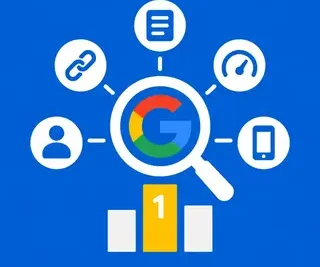 Understanding Google Ranking Factors
Google Algorithm Updates: Your Complete Guide to Staying Ahead
Google’s algorithm changes are the heartbeat of SEO—each update can shift rankings overnight, affecting your traffic, revenue, and visibility. At SEOFastTrack, we break down complex updates into actionable strategies for small business owners, bloggers, and digital marketers. From understanding ranking factors to recovering from penalties, this category hub helps you navigate current updates, anticipate future shifts, and build resilient SEO strategies that withstand algorithmic volatility. Explore each subcategory below for expert insights, practical checklists, and data-driven tactics.
Understanding Google Ranking Factors 📊
This subcategory demystifies the 200+ signals Google uses to rank pages, from content relevance and backlinks to user experience metrics. You’ll learn how to prioritize factors like E-E-A-T, site speed, and structured data without getting overwhelmed. Expect breakdowns of how ranking factors interact, practical audits to identify weak spots, and clear guidance on aligning your on-page and off-page efforts with what Google truly values today.
Impact of AI and Machine Learning on Google Algorithm 🤖
Google’s core systems—RankBrain, Neural Matching, and MUM—now rely heavily on AI to interpret search intent and generate results. Here, we explore how AI impacts keyword interpretation, content clustering, and semantic search. You’ll gain tips on writing for AI-driven crawlers, using natural language patterns, and leveraging entity-based SEO to appear in rich results. Stay ahead of machine-learning trends that increasingly reward comprehensive, user-focused content.
Google Algorithm Updates - Core Web Vitals Update ⚡
The Core Web Vitals update transformed page experience into a ranking factor, focusing on loading performance, interactivity, and visual stability. This section covers LCP, INP, and CLS optimization techniques, including image compression, lazy loading, and server response tuning. You’ll find step-by-step fixes for common issues, tools to measure your scores, and real-world examples of sites that improved rankings after technical upgrades.
Recovering from Algorithm Penalties 🛠️
Got hit by a manual or algorithmic penalty? This subcategory offers a clear recovery roadmap. Learn how to identify the specific update that triggered your drop, audit your backlink profile for toxic links, and remove thin or duplicated content. We break down disavow files, reconsideration requests, and content refresh strategies—plus timelines for recovery and ways to monitor your site’s health to avoid future setbacks.
Future of Google Algorithm Updates 🔮
What’s next for Google’s search engine? Based on patents, announcements, and industry signals, this section predicts trends like increased personalization, zero-click searches, and deeper AI integration. You’ll learn how to future-proof your SEO by focusing on user intent, building topical authority, and adapting to voice and visual search. Get ready for a more dynamic, context-aware algorithm that rewards adaptability and genuine value.
How Algorithm Updates Impact SEO Strategy 🎯
Every update forces a strategic pivot—here’s how to adjust without panic. We analyze historical updates to show patterns in what Google penalizes (thin content, manipulative links) and rewards (depth, usability). You’ll learn to conduct rapid impact assessments, reallocate resources to high-value pages, and maintain consistent growth during volatile periods. Practical advice on communication with stakeholders and long-term planning ensures your SEO roadmap remains flexible.
Google Algorithm Updates - Mobile-First Update 📱
Mobile-first indexing means Google now uses your mobile version for ranking and indexing. This subcategory guides you through responsive design, mobile page speed, and touch-friendly navigation. Expect checklists for testing your site on various devices, optimizing images and fonts, and ensuring your desktop and mobile content match. Avoid common pitfalls like blocked resources or unplayable content that can hurt your visibility on smartphones and tablets.
Analyzing Algorithm Update Patterns 📈
By studying historical updates, you can spot trends and prepare for future shifts. This section covers periodic updates, unconfirmed rolling changes, and core update cadence. Learn to use tools like Google Search Console and rank trackers to detect fluctuations, compare update timestamps, and correlate changes with your traffic data. Discover how to build a personal update watchlist and adapt your testing processes to quickly identify causes.
Predicting Future Algorithm Updates 🧠
While you can’t predict exact dates, you can anticipate direction. This subcategory looks at Google’s patents, hiring patterns, and public statements to forecast areas like privacy, local SEO, and AI-generated content. You’ll get tactical advice on preemptively improving your site’s schema markup, internal linking, and content freshness—so when updates arrive, you’re already aligned. Learn to prioritize agility over reactionary fixes.
Google Algorithm Updates - Panda & Penguin 🐼🐧
These classic updates still shape today’s quality standards. Panda targets thin, duplicated, or low-value content; Penguin punishes spammy link schemes. This section offers a deep dive into what triggered these penalties historically, how they’ve evolved into continuous filters, and practical ways to audit your content depth and backlink quality. Rebuild your site’s trust signals with concrete examples of recovery and long-term quality maintenance.
Diagnosing and Recovering from Algorithm Penalties 🔍
Beyond generic recovery, this subcategory focuses on precise diagnostics. You’ll learn to differentiate between algorithmic drops, manual actions, and technical errors. Detailed guides cover using Search Console alerts, analyzing traffic by landing page, and comparing pre- and post-update metrics. Step-by-step recovery plans include content pruning, link reclamation, and structured data fixes—all designed to restore your rankings methodically.
Google Algorithm Updates - Core Updates 🔄
Google’s broad core updates (like May 2022’s helpful content system) readjust how content is evaluated across niches. This section explains why some sites gain while others lose, focusing on E-E-A-T, experience, and originality. You’ll find before-and-after case studies, self-assessment checklists, and content improvement frameworks that align with core update principles. Learn to treat every core update as a quality legitimacy audit.
Google Algorithm Updates - BERT 🧠
BERT helps Google understand natural language prepositions and context, revolutionizing how search queries are processed. This subcategory explains how BERT impacts long-tail keyword targeting and conversational search. You’ll learn to write naturally, answer user questions directly, and structure content with context-rich headings. Optimize for semantic meaning rather than exact-match keywords, and see how entities and co-occurring terms boost relevance.
Staying Updated with Algorithm Changes 📡
Don’t get caught off guard. This subcategory curates best practices for monitoring Google’s official channels, reliable SEO news blogs, and community forums. You’ll discover how to set up alerts for algorithm mentions, validate update reports from multiple sources, and avoid panic-based decisions. Learn to create a rapid-response system that prioritizes data analysis, communication, and testing—keeping your SEO strategy steady through any storm.
Frequently Asked Questions
How often does Google update its algorithm?
Google makes hundreds of minor changes each year, plus several confirmed core updates and major updates like Panda or BERT. Major updates typically occur every few months, while unconfirmed changes happen daily. For practical purposes, monitor Google’s Search Central blog and trusted industry trackers to stay informed.
Can I recover from a Google algorithm penalty quickly?
Recovery speed depends on the penalty type—manual actions can be fixed in days, but algorithmic drops may require weeks or months of content and link cleanup. Continuous improvement and consistent monitoring are key, as Google re-crawls updated pages over time. Patience and targeted fixes yield the best results.
Do AI-generated content updates affect my rankings?
Yes, Google’s helpful content system targets AI-generated content that lacks original value. However, content with human oversight, unique data, and clear expertise still ranks well. Focus on adding personal experiences, real examples, and thorough research, regardless of whether you use AI assistance for drafts.
What is the most important ranking factor in 2025?
There is no single factor, but user experience (Core Web Vitals), content relevance, and topical authority are critical. Search intent satisfaction now outweighs keyword density or backlink counts. High-quality content that directly answers queries, loads fast, and earns trustworthy links remains foundational.
How can I prepare for future algorithm updates?
Prioritize E-E-A-T by showcasing expertise, regular content audits, and diversified traffic sources beyond Google. Build a strong brand presence, maintain clean backlinks, and keep technical SEO optimized. Staying flexible, testing new features, and documenting your changes helps you respond quickly to any update.